
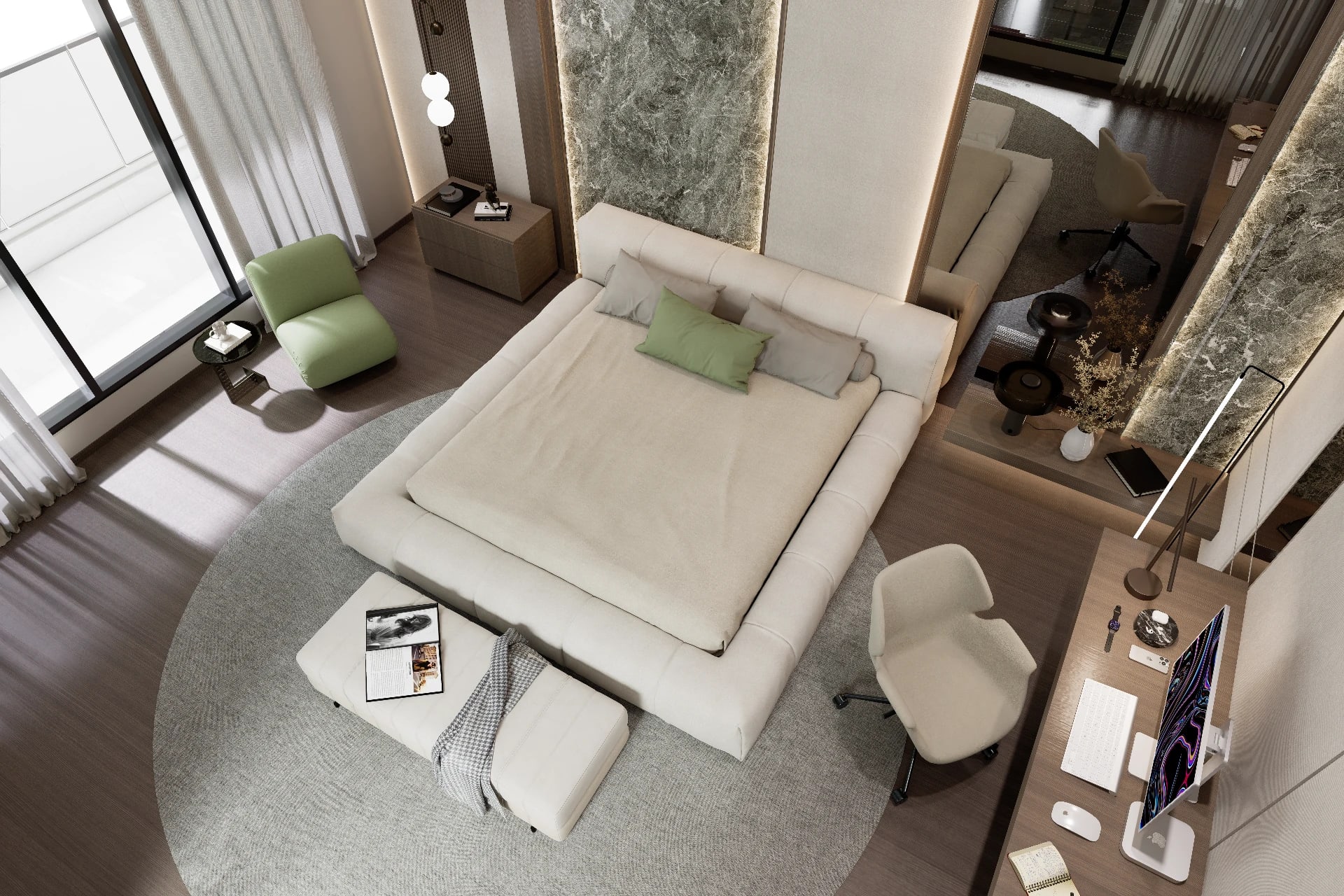
Understanding the interior fit-out process is essential for commercial clients, developers, and business owners planning functional, compliant, and high-performing interior spaces. In the UAE—particularly in Dubai and Abu Dhabi—fit-out projects require close alignment between commercial interior design concepts, regulatory approvals, and execution standards to ensure successful outcomes.
This guide explains the complete interior fit-out design to handover journey, outlining each phase of the process, best practices, and common challenges to help decision-makers approach projects with clarity and confidence.
What Is the Interior Fit-Out Process?
The interior fit-out process is a structured methodology used to convert an empty shell or existing space into a fully operational interior environment. In commercial projects, this process balances aesthetics, functionality, compliance, and long-term usability, starting from early planning and evolving through professional interior space planning and coordinated execution.
A typical interior fit-out integrates:
• Interior design and space planning
• MEP coordination and technical compliance
• Material selection and finish implementation
• Quality control and final handover
In the UAE market, many projects follow an integrated design and build model to maintain consistency from concept through completion.
Overview of the Fit-Out Project Lifecycle
The fit-out project lifecycle follows a clear, phased structure that reduces risk and ensures alignment between stakeholders. Each phase supports the next, making early interior design clarity critical to avoid disruption during execution and to preserve interior design intent across project stages.
The lifecycle generally includes:
1. Concept development and briefing
2. Design detailing and authority approvals
3. Pre-construction planning and procurement
4. Construction and fit-out execution
5. Testing, commissioning, and handover
Stage 1: Client Brief & Concept Development
The process begins with understanding how the space should function and how it should support business operations. During this phase, designers translate operational requirements into spatial solutions that reflect brand identity while maintaining flexibility for future use—an approach rooted in commercial interior design concepts tailored to the UAE market.
Key focus areas include:
• Operational workflows and spatial adjacencies
• User experience and functionality
• Initial interior layouts and design direction
A well-developed concept ensures that all subsequent stages align with both functional and aesthetic objectives.
Stage 2: Design Development & Authority Approvals
This stage converts the approved concept into coordinated technical documentation and represents one of the most critical commercial interior fit-out stages. Detailed interior design drawings, material specifications, and MEP coordination are developed in parallel to meet authority and building requirements.
In the UAE, approval processes often require close coordination between interior designers, engineers, and regulatory bodies. Integrating professional interior space planning with compliance documentation early in the process helps prevent redesigns and approval delays within the interior fit-out workflow UAE.
Stage 3: Pre-Construction Planning & Procurement
Once designs are approved, the project transitions into pre-construction planning. At this stage, interior design details are reviewed against construction methodologies to ensure feasibility, buildability, and finish quality—protecting interior design intent across project stages as the project moves toward execution.
Planning typically includes:
• Construction sequencing and site logistics
• Trade coordination and material approvals
• Procurement of compliant finishes and fittings
This phase is especially important in complex commercial environments, including the office fit-out process Dubai, where coordination and material standards are stringent.
Stage 4: Construction & Fit-Out Execution
During execution, approved interior designs are implemented on site through a structured and controlled process. Partitions, ceilings, flooring, MEP systems, and bespoke joinery are installed in line with coordinated drawings and specifications, ensuring the completed space reflects the original commercial interior design concepts.
Ongoing supervision and coordination help maintain quality, safety, and consistency throughout construction.
Stage 5: Testing, Commissioning & Quality Control
Before handover, all systems and interior elements undergo testing and inspection. This ensures that the space is safe, compliant, and fully functional, with all interior finishes meeting the specified standards and supporting interior design intent across project stages.
Typical activities include:
• MEP testing and commissioning
• Fire and life safety inspections
• Snagging and final quality reviews
Stage 6: Final Handover & Occupancy Readiness
The final phase of the interior fit-out design to handover process focuses on documentation, verification, and client sign-off. Interior design documentation, as-built drawings, and operational manuals are provided to support smooth occupancy and long-term maintenance.
A structured handover ensures that the completed interior environment is ready for immediate use and future adaptation.
Best Practices for Successful Interior Fit-Out Projects
Successful projects consistently apply the following principles:
• Early involvement of interior design professionals
• Alignment between design intent and regulatory requirements
• Clear communication between all stakeholders
• Consistent quality control during execution
These practices help ensure that interior environments perform as intended throughout their lifecycle.
Common Challenges and Professional Solutions
Approval Delays
Resolved through early coordination between interior designers and authorities.
Design Changes During Construction
Mitigated by thorough briefing and early design sign-off.
On-Site Coordination Issues
Addressed through integrated project management and regular communication.
Finish Quality Variations
Controlled through material approvals, mock-ups, and inspections.
Frequently Asked Questions
What does an interior fit-out process include?
It includes interior design, authority approvals, construction, MEP coordination, finishes, testing, and handover.
How is commercial interior fit-out different from residential?
Commercial projects prioritise functionality, compliance, durability, and operational efficiency.
Are authority approvals required for interior fit-out projects in the UAE?
Yes. All commercial interior fit-out works must be approved by relevant authorities.
When should interior designers be involved in a fit-out project?
Ideally during the concept stage to ensure design feasibility and compliance.
What is meant by design to handover in fit-out projects?
It refers to managing the project from initial interior design through final completion and occupancy readiness.
A well-managed interior fit-out process is fundamental to delivering compliant, functional, and high-quality commercial interiors. By understanding each stage—from concept through handover—clients can make informed decisions and achieve long-term value from their interior environments.
For organisations planning future projects, exploring professional interior design and fit-out expertise can provide clarity, control, and consistency throughout the entire journey.