
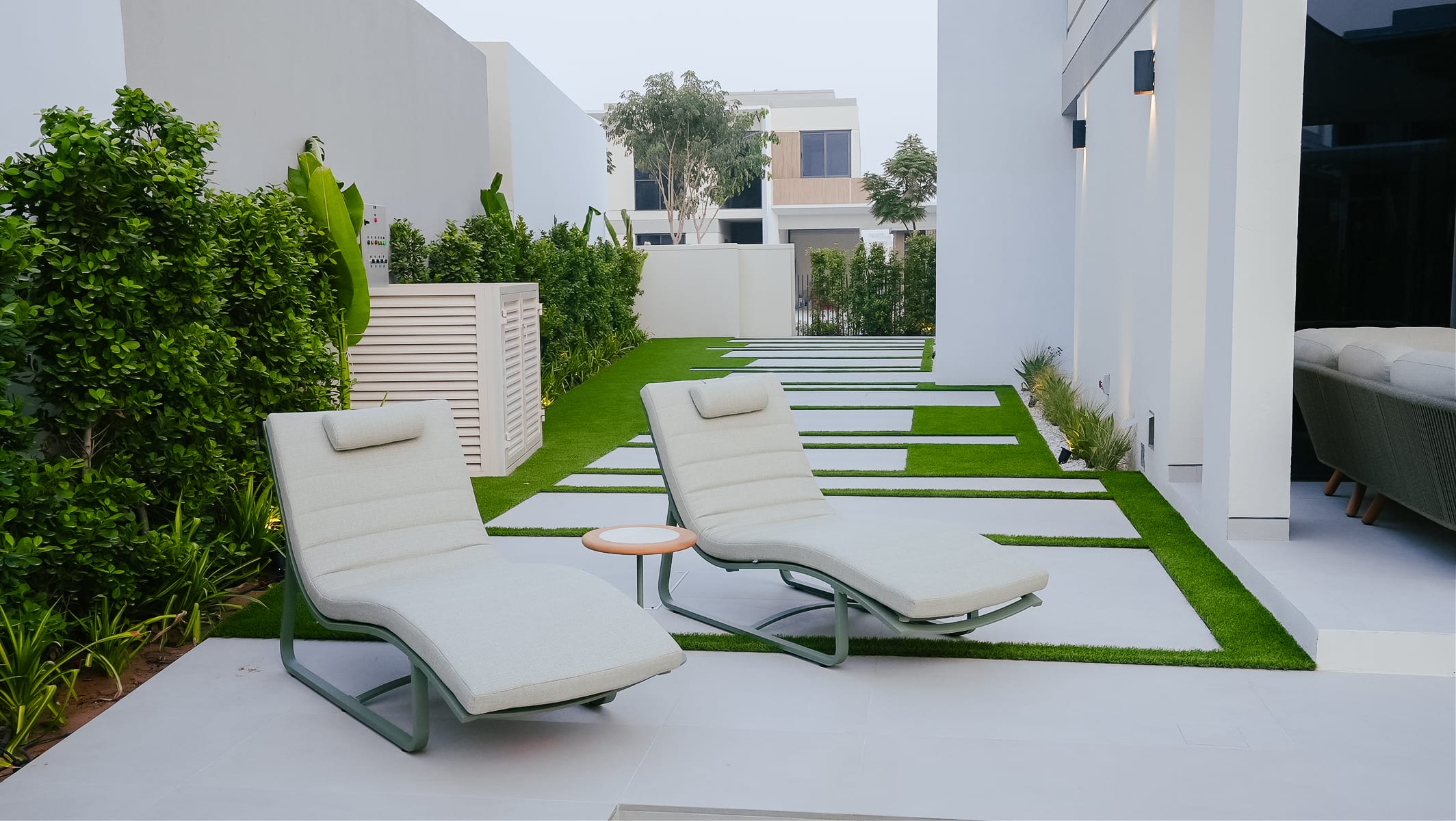
Effective landscaping is no longer an afterthought in commercial developments. In the UAE, well-planned outdoor environments contribute to brand perception, usability, sustainability, and long-term asset value. These landscaping planning tips are designed to help developers, business owners, and decision-makers approach landscaping strategically—before design and construction begin.
This guide explains how to plan landscaping for commercial projects, outlines proven frameworks, and highlights best practices relevant to the UAE’s climate, regulations, and business needs.
What Landscaping Planning Really Means ?
Landscaping planning goes beyond selecting plants or designing walkways. It is a structured process that aligns outdoor spaces with architectural intent, site conditions, operational needs, and long-term maintenance realities.
For commercial projects, commercial landscaping planning must consider:
• Site functionality and circulation
• Climate resilience and water efficiency
• Safety, compliance, and accessibility
• Integration with buildings and infrastructure
• User experience for tenants, visitors, and staff
When done early, landscaping planning reduces redesigns, avoids conflicts with services, and ensures outdoor spaces support the overall development strategy.
Why Landscaping Planning Is Critical for Commercial Projects ?
In the UAE, outdoor spaces are used differently than in temperate regions. Heat, dust, irrigation requirements, and seasonal usage patterns all influence design decisions.
Proper outdoor space planning for businesses helps:
• Improve usability despite extreme weather
• Enhance visual identity and property value
• Reduce long-term operational and maintenance issues
• Ensure alignment with local authority requirements
• Support sustainability goals and efficient resource use
Early planning also allows landscaping to be coordinated with architecture, MEP systems, and site infrastructure—rather than treated as a standalone scope.
Landscaping Project Planning Steps (Step-by-Step Framework)
1. Site Analysis and Constraints Assessment
Every successful landscape begins with a detailed understanding of the site. This includes:
• Soil conditions and grading levels
• Existing utilities and underground services
• Sun exposure, wind patterns, and shaded zones
• Access points, parking, and pedestrian movement
In the UAE, soil quality and drainage design are especially critical and should inform all planting and hardscape decisions.
2. Defining Functional Requirements
Commercial landscapes must serve a purpose. Early planning should clarify:
• How the space will be used (circulation, seating, branding, buffering)
• Expected foot traffic and peak usage times
• Maintenance access and operational constraints
• Safety, visibility, and lighting needs
This phase often aligns with insights from outdoor development planning for commercial sites to ensure functionality is prioritised over aesthetics alone.
3. Concept Design and Spatial Zoning
Once requirements are defined, the landscape can be zoned into functional areas such as:
• Entry statements and arrival zones
• Shaded walkways and transitional spaces
• Hardscape-dominant areas for durability
• Softscape zones for visual relief and cooling
A strong landscape design planning guide ensures these zones are balanced, cohesive, and aligned with the architectural language of the project.
4. Material and Plant Selection Strategy
Material and planting decisions should be based on performance, not trends. In the UAE context, this means:
• Selecting drought-tolerant and native-adapted plants
• Prioritising durable hardscape materials
• Avoiding high-maintenance softscape solutions
• Designing for efficient irrigation systems
These choices significantly affect lifecycle performance and operational reliability.
5. Coordination with Design & Build Teams
Landscaping should be coordinated with:
• Structural and architectural elements
• Drainage and irrigation systems
• Lighting, shading structures, and signage
• Interior-exterior transition zones
Integrated coordination reduces clashes and supports a seamless user experience, as outlined in integrated design and build coordination best practices.
Landscape Planning Best Practices for the UAE
Effective landscaping in the region follows several proven principles:
• Plan landscaping early in the project lifecycle
• Design for heat mitigation through shade and airflow
• Use planting to support wayfinding and zoning
• Prioritise sustainability and water efficiency
• Ensure long-term maintainability is realistic
These landscape planning best practices help commercial developments remain functional, attractive, and compliant over time.
Common Landscaping Planning Challenges (and Professional Solutions)
Challenge: Overdesigning Without Operational Context
Solution: Ground every design decision in usage, maintenance, and lifecycle considerations.
Challenge: Poor Coordination with Utilities
Solution: Align landscape layouts early with MEP and drainage planning.
Challenge: Inappropriate Plant Selection
Solution: Base planting strategies on climate data and irrigation capacity, not aesthetics alone.
Challenge: Late-Stage Landscaping Decisions
Solution: Include landscaping within early master planning and design phases, not post-construction.
Professional teams delivering commercial landscaping services typically mitigate these risks through early involvement and cross-discipline coordination.
Landscaping Planning for Different Commercial Typologies
Office Developments
Focus on arrival experience, shaded circulation, and visual comfort.
Retail and Mixed-Use Projects
Prioritise visibility, wayfinding, pedestrian flow, and durability.
Hospitality and Leisure
Balance aesthetics with comfort, microclimate control, and guest experience.
Industrial and Logistics
Emphasise buffering, circulation clarity, and low-maintenance solutions.
Each typology requires a tailored approach within the broader landscaping project planning steps framework.
Frequently Asked Questions
What is included in landscaping planning?
It includes site analysis, functional zoning, material and planting strategy, coordination with infrastructure, and long-term maintenance considerations.
When should landscaping planning start?
Ideally during early design stages, alongside architectural and site planning.
Is landscaping planning different for commercial projects?
Yes. Commercial landscaping planning focuses more on durability, compliance, functionality, and lifecycle performance.
How does landscaping affect operational costs?
Good planning reduces irrigation demand, maintenance complexity, and future redesign needs.
Can landscaping improve sustainability goals?
Absolutely. Plant selection, shading, and water-efficient design directly support sustainability objectives.
Who should be involved in landscaping planning?
Landscape architects, design & build teams, and operational stakeholders should all contribute.
Bringing Landscaping Planning Together
Successful commercial landscapes are the result of informed planning, not last-minute design decisions. By applying these landscaping planning tips, businesses and developers can create outdoor environments that perform well, support their brand, and remain practical in the UAE’s demanding climate.
For projects requiring integrated expertise, working with teams experienced in design and build services in the UAE ensures landscaping is aligned with the wider development strategy from day one