
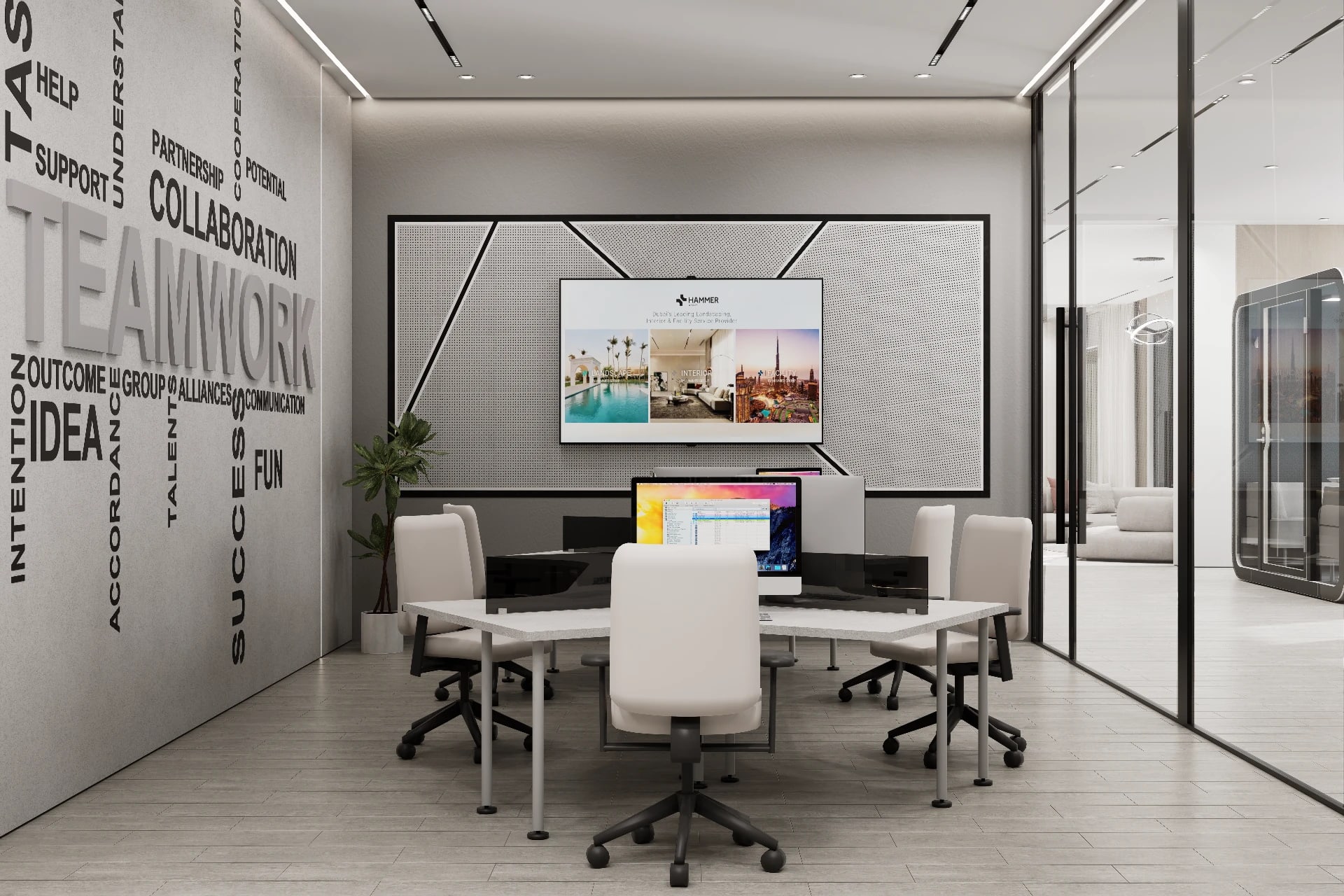
Effective commercial space planning Dubai is a critical factor in creating functional, efficient, and visually compelling environments for businesses. In a competitive market like Dubai, where real estate is premium and customer expectations are high, optimizing every square meter is essential for both operational success and brand impact.
This guide explores how strategic space planning enhances retail, office, and commercial interiors, with practical insights tailored to the UAE market.
What is Commercial Space Planning?
Commercial space planning is the process of organizing interior spaces to maximize efficiency, functionality, and user experience. It goes beyond layout—it aligns business goals with spatial design.
Key objectives include:
• Improving workflow and productivity
• Enhancing customer experience
• Ensuring compliance with UAE regulations
• Supporting brand identity through spatial design
Why Space Planning Matters in Dubai?
Dubai’s commercial landscape is unique due to:
• High rental costs and premium real estate
• Diverse business sectors (retail, hospitality, corporate)
• Strict authority regulations (e.g., DCD, Dubai Municipality)
This makes commercial interior space optimization not just beneficial—but essential.
Key Benefits
• Better utilization of space
• Increased employee efficiency
• Improved customer flow and engagement
• Scalability for future growth
Space Planning for Retail Environments
Understanding Retail Flow and Behavior
In retail store space planning UAE, customer movement and psychology are central. A well-planned retail space encourages browsing, increases dwell time, and drives sales.
Key Principles
• Zoning: Entrance, display, browsing, checkout
• Visual hierarchy: Highlighting key products
• Circulation paths: Clear and intuitive movement
• Flexibility: Adaptable layouts for seasonal changes
Common Challenges
• Overcrowded layouts
• Poor visibility of products
• Inefficient checkout placement
Professional Solutions
• Strategic fixture placement
• Use of modular display systems
• Data-driven layout planning based on customer behavior
Office Space Planning and Workplace Efficiency
Aligning Design with Work Culture
Modern office layout planning Dubai focuses on flexibility, collaboration, and employee well-being. Traditional layouts are being replaced with hybrid and activity-based workspaces.
Key Zones in Office Planning
• Workstations (open or private)
• Meeting rooms
• Collaboration areas
• Breakout and wellness spaces
Best Practices
• Maximize natural light
• Optimize acoustics
• Ensure ergonomic design
• Plan for future scalability
Common Challenges
• Balancing privacy and collaboration
• Managing noise levels
• Adapting to hybrid work models
Solutions
• Acoustic partitions and zoning
• Flexible furniture systems
• Smart space allocation based on team needs
Commercial Interiors: Multi-Use Space Planning
Commercial environments such as clinics, showrooms, and mixed-use developments require a tailored approach.
Core Considerations
• Functional zoning based on business operations
• Compliance with safety and accessibility standards
• Integration of brand identity
Examples of Applications
• Showrooms with experiential layouts
• Clinics with efficient patient flow
• F&B spaces balancing kitchen and seating areas
Challenges
• Complex operational requirements
• Regulatory approvals
• Space constraints
Solutions
• Early-stage planning with consultants
• Coordination with authorities
• Integrated design and build approach
Step-by-Step Space Planning Framework
A structured approach ensures consistency and effectiveness in workspace planning for businesses UAE.
1. Needs Assessment
• Understand business goals
• Identify user requirements
• Define spatial priorities
2. Site Analysis
• Evaluate dimensions and constraints
• Review MEP systems
• Assess compliance requirements
3. Space Allocation
• Assign functions to zones
• Optimize circulation paths
• Balance aesthetics and utility
4. Concept Development
• Create layout options
• Align with brand identity
• Integrate design elements
5. Validation & Optimization
• Test layouts for efficiency
• Adjust based on feedback
• Ensure regulatory compliance
6. Implementation
• Coordinate with fit-out teams
• Monitor execution
• Maintain design integrity
Best Practices for Space Planning in Dubai
• Plan for flexibility: Future-proof layouts for growth
• Prioritize user experience: Employees and customers alike
• Integrate technology: Smart office and retail solutions
• Ensure compliance: Align with UAE authority requirements
• Collaborate early: Designers, engineers, and contractors
Common Mistakes to Avoid
• Ignoring workflow in favor of aesthetics
• Underestimating storage needs
• Poor circulation planning
• Failure to comply with local regulations
• Lack of planning for future expansion
Avoiding these pitfalls is essential for achieving effective commercial interior space optimization.
FAQ: Space Planning in Dubai
1. What is the difference between space planning and interior design?
Space planning focuses on layout and functionality, while interior design includes aesthetics, materials, and finishes.
2. How important is space planning for small commercial spaces?
It is critical, as efficient planning maximizes limited space and improves usability.
3. Can space planning improve employee productivity?
Yes, well-designed layouts enhance workflow, reduce distractions, and support collaboration.
4. What industries benefit most from space planning?
Retail, offices, healthcare, hospitality, and all commercial sectors benefit significantly.
5. Is space planning required before fit-out?
Yes, it is a foundational step that guides the entire fit-out process.
6. How does Dubai regulation impact space planning?
Designs must comply with local authority requirements, influencing layout, safety, and accessibility.
Strategic commercial space planning Dubai is more than just arranging furniture—it’s about aligning space with business goals, enhancing user experience, and ensuring long-term efficiency. Whether for retail, office, or mixed-use environments, a well-planned space delivers measurable value in performance and perception.