
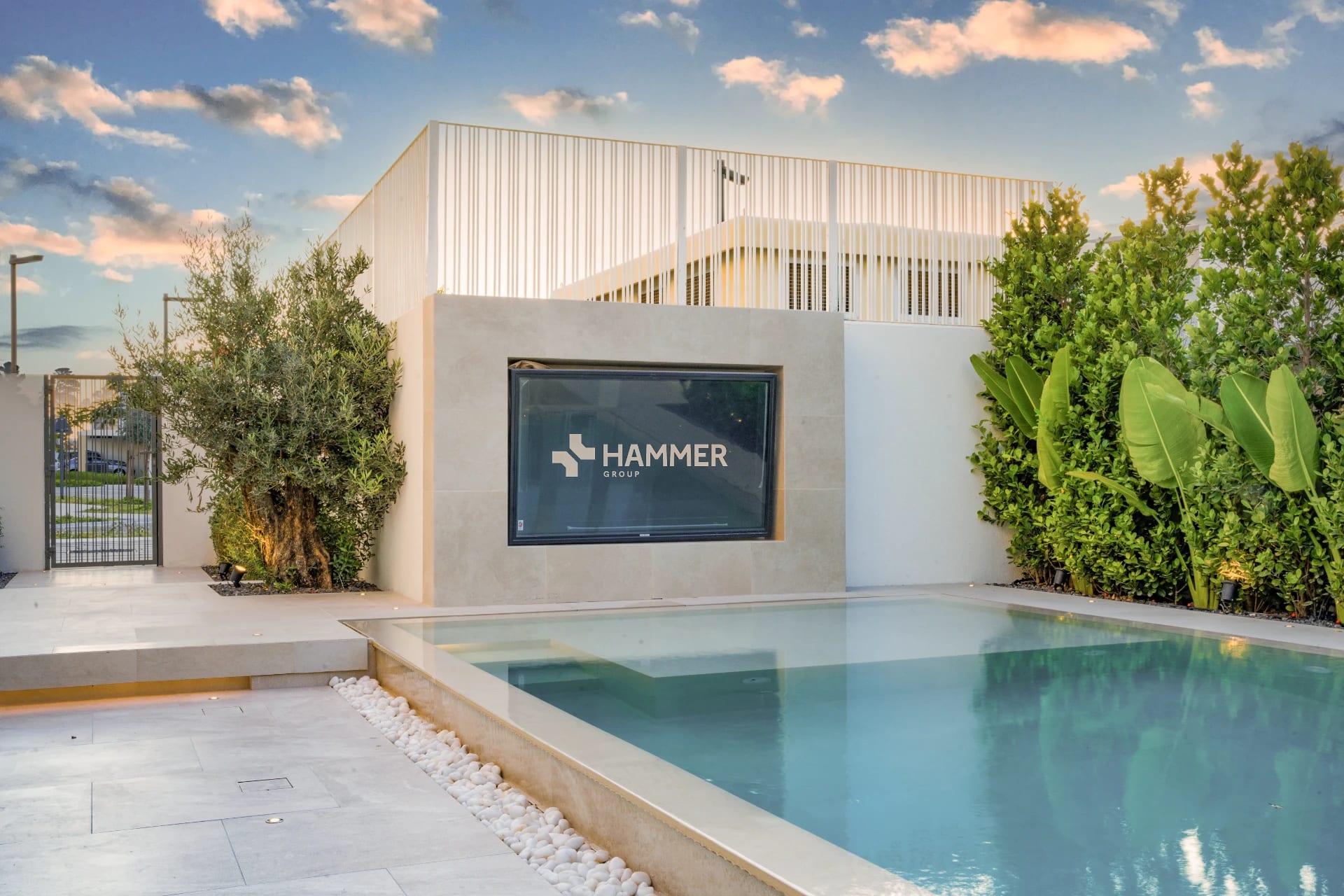
In the UAE’s demanding climate, outdoor spaces must do more than look impressive — they must perform efficiently, conserve resources, and remain resilient over time. Sustainable landscaping practices provide a structured, long-term approach to designing outdoor environments that balance aesthetics, functionality, and environmental responsibility.
For commercial developers, asset owners, and business decision-makers in Dubai and Abu Dhabi, sustainable landscapes are no longer optional enhancements. They are strategic investments that support operational efficiency, regulatory alignment, ESG objectives, and long-term asset value.
What Are Sustainable Landscaping Practices?
At their core, sustainable landscaping practices focus on designing, constructing, and maintaining outdoor spaces in ways that:
• Reduce water consumption
• Improve soil and ecosystem health
• Minimise long-term maintenance inputs
• Lower environmental impact
• Enhance long-term performance and durability
Rather than treating sustainability as an add-on, this approach integrates sustainable outdoor design strategies from master planning through lifecycle management. This is particularly effective when aligned with a broader sustainable design approach for commercial projects that connects architecture, engineering, and landscape under one strategic vision.
Why Sustainability Matters in the UAE Context?
Landscaping in the UAE presents unique environmental pressures:
• Arid climate and high evaporation rates
• Heavy reliance on irrigation
• Salinity challenges in soil and water
• Extreme summer temperatures
• Rapid urban development
Traditional landscape models often result in excessive water use, high replacement rates, and escalating maintenance costs. In contrast, eco-friendly landscape design aligns with regional environmental realities while supporting long-term operational resilience.
For commercial properties, hospitality assets, mixed-use developments, and public realm projects, this translates into measurable benefits:
• Reduced irrigation demand
• Lower lifecycle resource consumption
• Improved microclimate performance
• Enhanced brand and ESG positioning
A Framework for Long-Term Sustainable Outdoor Design
Sustainable landscaping is most effective when implemented as a structured framework rather than isolated design decisions.
1. Site Analysis and Environmental Assessment
Every successful project begins with a comprehensive understanding of:
• Soil composition and salinity
• Sun exposure and shading patterns
• Wind corridors
• Existing vegetation and biodiversity
• Water availability and infrastructure
Early-stage analysis allows for informed, environmentally responsible landscape development rather than reactive adjustments during construction.
2. Smart Water Strategy and Irrigation Planning
Water efficiency is central to water-efficient landscaping in UAE. Given regional scarcity, irrigation systems must be optimised from the outset.
Best practices include:
• Drip irrigation instead of spray systems
• Soil moisture sensors and smart controllers
• Hydro-zoning (grouping plants with similar water needs)
• Treated sewage effluent (TSE) integration where applicable
• Minimising turf areas in non-functional zones
Developers seeking measurable reductions in water consumption often integrate water-efficient irrigation systems for commercial landscapes as part of their early-stage design coordination.
3. Plant Selection and Native Adaptation
Plant selection is one of the most critical elements of sustainable landscape design.
Native plant landscaping Dubai and across the UAE focuses on species that:
• Thrive in arid conditions
• Require less irrigation
• Tolerate saline soil
• Resist local pests
• Support biodiversity
A structured native and adaptive plant selection guide can support consultants and developers in choosing species that align with both performance and design intent.
Benefits include:
• Lower replacement rates
• Reduced fertiliser dependency
• Improved long-term vitality
• Lower maintenance intensity
4. Soil Health and Ground Preparation
Healthy soil reduces irrigation demand and supports plant longevity.
Key approaches:
• Organic soil amendments
• Compost integration
• Aeration and drainage improvement
• Mulching to reduce evaporation
In the UAE, where soils can be sandy and nutrient-poor, proactive soil management is essential to ensuring long-term performance.
5. Hardscape Sustainability and Material Selection
Sustainability extends beyond planting. Hardscape materials influence thermal performance and environmental impact.
Considerations include:
• Permeable paving to improve water infiltration
• Light-coloured surfaces to reduce heat absorption
• Durable, low-maintenance materials
• Locally sourced stone or recycled materials
These strategies contribute to eco-friendly landscape design while enhancing user comfort and long-term durability.
6. Lifecycle Maintenance Planning
Even the best design will underperform without a structured maintenance plan.
Sustainable maintenance focuses on:
• Preventive care rather than reactive repair
• Efficient irrigation audits
• Seasonal plant health assessments
• Integrated pest management
• Pruning schedules aligned with plant biology
A proactive approach aligned with commercial landscape maintenance strategies ensures that sustainability objectives are maintained well beyond project completion.
Common Challenges in Sustainable Landscaping — and Professional Solutions
Challenge 1: Overreliance on High-Water Turf
Solution: Replace ornamental turf with groundcovers, shaded seating zones, or hardscape elements in non-functional areas.
Challenge 2: Poor Irrigation Zoning
Solution: Redesign irrigation systems to align with plant types and sun exposure, reducing overwatering and runoff.
Challenge 3: Imported Plant Failure
Non-adaptive species often struggle in the UAE’s climate.
Solution: Prioritise native or regionally adapted species supported by proper soil preparation and integrated planning frameworks such as integrated design and build solutions that connect landscape, MEP, and civil coordination.
Challenge 4: Short-Term Design Thinking
Some developments focus heavily on visual impact at handover without considering longevity.
Solution: Adopt lifecycle-focused planning that embeds environmental responsibility from concept through construction and post-handover management.
The Business Case for Sustainable Outdoor Design
For commercial stakeholders, sustainable landscaping is not solely an environmental decision. It supports:
• Asset value retention
• ESG and sustainability reporting
• Improved tenant experience
• Reduced long-term resource dependency
• Regulatory compliance
In competitive markets such as Dubai and Abu Dhabi, where large-scale developments differentiate themselves through performance and environmental credibility, sustainable landscapes reinforce long-term resilience.
Frequently Asked Questions
1. What makes landscaping “sustainable” in the UAE?
Sustainability in the UAE focuses heavily on water efficiency, plant adaptability, soil improvement, and long-term maintenance strategies that reduce environmental impact.
2. Is native planting always required?
While not mandatory, native and climate-adaptive plants significantly improve resilience and reduce irrigation demand.
3. Can sustainable landscapes still look premium?
Yes. High-end aesthetics and environmental performance can coexist through strategic material selection and structured planning.
4. How does sustainable landscaping support ESG goals?
It reduces resource consumption, lowers environmental impact, and aligns developments with broader sustainability frameworks.
5. Is irrigation technology essential?
Smart irrigation systems are highly recommended in the UAE to ensure efficient water distribution and minimise waste.
6. Does sustainability affect long-term maintenance complexity?
When properly designed, sustainable landscapes often require less intensive intervention due to improved plant resilience and soil stability.
Moving Toward Long-Term Landscape Resilience
Adopting sustainable landscaping practices is about designing outdoor environments that endure — environmentally, operationally, and visually. For commercial developments in Dubai and Abu Dhabi, sustainability must be integrated at every stage, from master planning to maintenance.
Organisations seeking to strengthen long-term outdoor performance should begin with a strategic review of their landscape framework and explore how sustainability principles can be embedded into future developments.