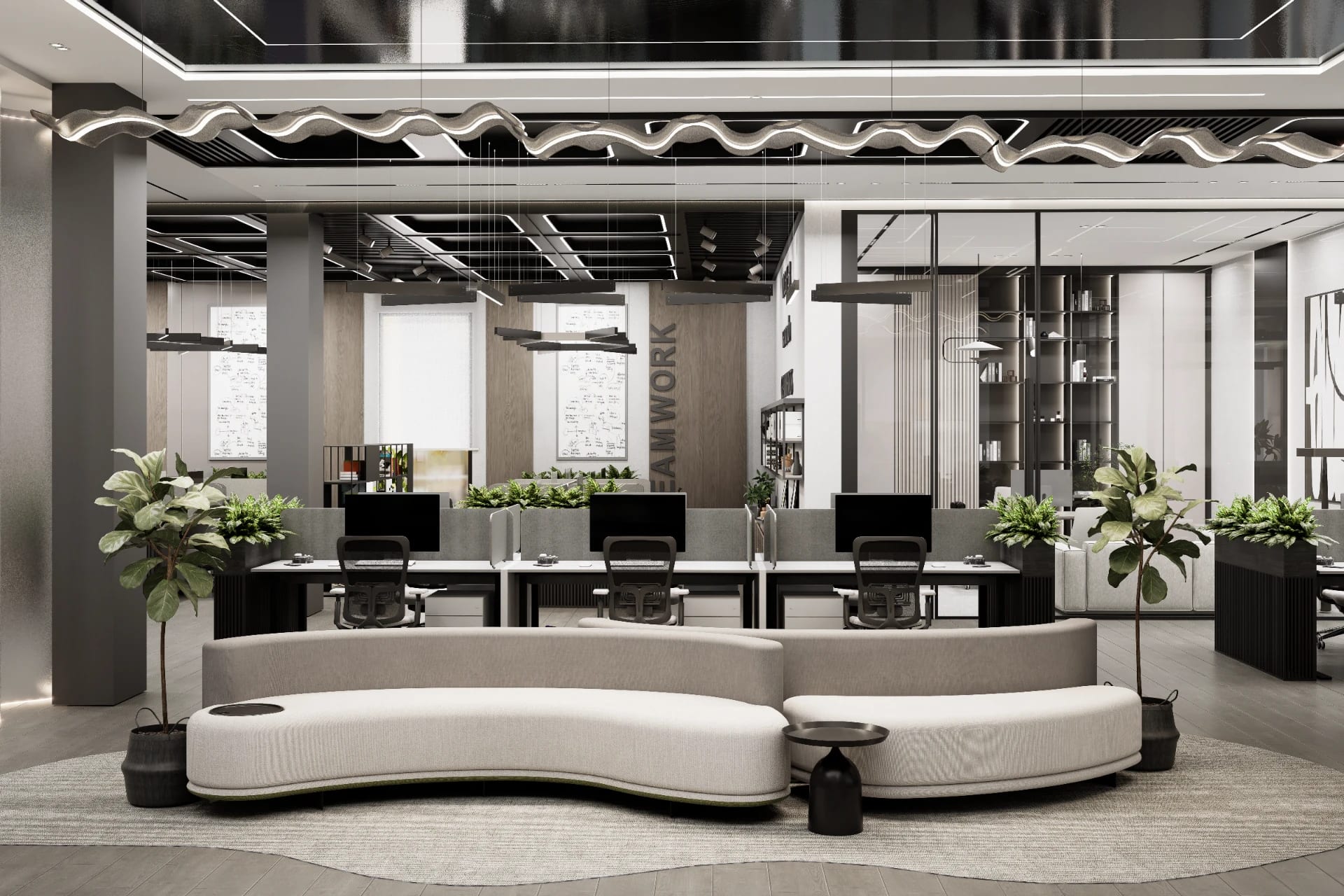
Corporate workplaces are undergoing rapid transformation. As businesses in Dubai continue to evolve in response to technological advancement, hybrid work models, and changing employee expectations, office design must support both productivity and adaptability. In this environment, high-performance corporate workspaces Dubai are becoming a key priority for organizations that want their physical workspace to enhance efficiency, collaboration, and long-term business performance.
Rather than simply providing desks and meeting rooms, modern offices are designed to create environments where people can work effectively, communicate easily, and stay engaged. Through thoughtful corporate workspace design Dubai, companies are aligning workplace strategy with operational goals and employee wellbeing.
This guide explores the principles, strategies, and best practices for designing high-performance corporate environments in Dubai as we move toward 2026.
What Defines a High-Performance Corporate Workspace?
A high-performance workplace is designed to support productivity, flexibility, and collaboration while integrating technology and wellness-focused design principles.
Unlike traditional office layouts with rigid desk arrangements, high-performance office interiors prioritize adaptability and user experience. They are designed to accommodate multiple work styles while maintaining efficient workflows.
Key characteristics include:
- Flexible workspace layouts
- Technology-enabled collaboration areas
- Quiet zones for focused work
- Ergonomic workstations
- Smart building systems
- Sustainable design strategies
Together, these elements create work environments that help organizations operate efficiently while improving employee engagement.
The Evolution of Corporate Workspace Design in Dubai
Dubai has emerged as a global business hub, attracting multinational companies, startups, and regional headquarters. As competition for talent increases, organizations are investing in better workplace environments.
Several factors are influencing modern office design UAE:
Hybrid Work Models
Hybrid work has reshaped how companies use office space. Employees often split time between remote work and in-person collaboration, requiring flexible environments that support both.
Employee Wellbeing
Workplace wellness is now a major priority. Companies recognize that healthy environments improve employee satisfaction and productivity.
Technology Integration
Smart technologies are transforming how offices function, enabling seamless communication, automation, and efficient workspace management.
These factors are shaping the future of workplace design trends Dubai 2026, where offices are designed to be adaptable, connected, and human-centered.
Key Elements of High-Performance Office Design
Creating effective workspaces requires careful consideration of several core design elements.
Flexible Space Planning
Flexible layouts allow organizations to adapt quickly as team sizes and work patterns evolve.
Common workspace zones include:
- Focus areas for individual work
- Collaborative meeting zones
- Informal lounge areas
- Private phone or meeting pods
- Multi-purpose conference rooms
This type of zoning ensures employees have the right environment for different tasks throughout the day.
For deeper insights into planning flexible offices, see future workplace design trends in the UAE.
Smart Workplace Technology
Technology is a core component of smart office workspace UAE environments. Integrated systems can improve efficiency and enhance employee experience.
Examples include:
- Meeting room booking systems
- Occupancy sensors for space utilization
- Smart lighting and climate controls
- Video conferencing technology
- Digital visitor management systems
These technologies help organizations manage office resources effectively while supporting modern work practices.
You can learn more about this approach through smart office technology in modern workplaces.
Employee Wellbeing and Workplace Experience
Workplace wellbeing has become a defining feature of modern offices.
Design strategies often include:
- Access to natural daylight
- Biophilic design elements such as plants and greenery
- Acoustic treatments to reduce noise
- Ergonomic furniture
- Wellness and relaxation areas
These features improve employee comfort and help create a healthier work environment.
Collaborative Spaces
Innovation often emerges through collaboration. High-performing offices therefore prioritize spaces that encourage teamwork.
Examples include:
- Open collaboration hubs
- Brainstorming areas with flexible furniture
- Informal meeting lounges
- Project rooms for team-based work
By supporting spontaneous interaction, collaborative environments enhance communication and creativity.
Sustainable and Efficient Design
Sustainability is becoming increasingly important in corporate workspace design Dubai.
Sustainable office features may include:
- Energy-efficient lighting systems
- Sustainable interior materials
- Improved indoor air quality
- Water-efficient systems
These strategies support environmental responsibility while improving employee wellbeing.
A Step-by-Step Framework for Designing High-Performance Workspaces
Designing effective offices requires a structured approach that aligns workplace design with organizational goals.
Step 1: Define Workplace Strategy
The process begins with understanding how employees work and what the organization needs from its workspace.
Questions to consider include:
- What types of work dominate daily operations?
- How often do teams collaborate?
- What level of privacy is required?
- How might the organization grow in the future?
Clear strategic goals help guide design decisions.
Step 2: Analyze Space Utilization
Professional design teams often analyze how existing office spaces are used.
This analysis may include:
- Occupancy patterns
- Meeting room usage
- Circulation flow within the office
- Collaboration vs. focus work ratios
These insights help determine how much space is needed for different functions.
Step 3: Develop Functional Workspace Zones
Effective workspace planning divides the office into zones that support specific activities.
Typical zones include:
- Individual focus areas
- Collaboration areas
- Social and break areas
- Private meeting rooms
- Support spaces such as storage and printing zones
Clear zoning improves workflow efficiency and reduces distractions.
Step 4: Integrate Technology Infrastructure
Technology infrastructure must support current operations while allowing future upgrades.
Planning considerations include:
- Reliable network connectivity
- Integrated AV systems
- Power and data access points
- Smart workplace management tools
Coordination with professional teams—such as those involved in commercial interior fit-out services—ensures seamless integration.
Step 5: Create an Engaging Workplace Experience
Beyond functionality, workplaces should also feel welcoming and inspiring.
This may include:
- Carefully selected interior materials
- Comfortable breakout spaces
- Brand-aligned interior design elements
- Balanced lighting design
These elements contribute to the overall workplace experience and reinforce company culture.
Best Practices for Corporate Workspace Design
Organizations designing new offices or renovating existing spaces often follow several best practices:
- Plan flexibility into workspace layouts
- Integrate smart technology early in the design phase
- Provide a balance between collaboration and privacy
- Prioritize natural light and indoor environmental quality
- Align interior design with company culture and brand identity
These practices help create offices that remain functional as business needs evolve.
Common Challenges in Designing Corporate Workspaces
Despite careful planning, several challenges can arise during workspace design.
Balancing Collaboration and Focus
Open layouts can improve collaboration but sometimes reduce concentration.
Solution: Create quiet zones and acoustic treatments that support focused work.
Adapting to Future Changes
Organizations may struggle to predict future workplace needs.
Solution: Flexible layouts and modular furniture allow offices to adapt as teams grow or workflows change.
Technology Integration
Integrating multiple technologies can be complex.
Solution: Work with experienced design and build teams that coordinate early with IT specialists. This process is often part of design and build solutions for corporate offices.
FAQ: High-Performance Corporate Workspaces
What is a high-performance corporate workspace?
A high-performance workspace is an office designed to maximize productivity, collaboration, and employee wellbeing through strategic layout, technology integration, and modern design principles.
Why are companies in Dubai investing in modern office design?
Modern office environments help organizations attract talent, support hybrid work models, and improve operational efficiency.
How does office design influence productivity?
Workplace design affects comfort, collaboration, focus, and communication. Well-designed offices reduce distractions and support efficient workflows.
What role does technology play in workplace performance?
Smart technology improves communication, manages workspace usage, and enhances employee convenience.
Are flexible office layouts important for the future?
Yes. Flexible layouts allow businesses to adapt to changing workforce needs and hybrid work patterns.
How does sustainability affect office design?
Sustainable design strategies improve environmental performance while enhancing employee wellbeing through healthier indoor environments.