
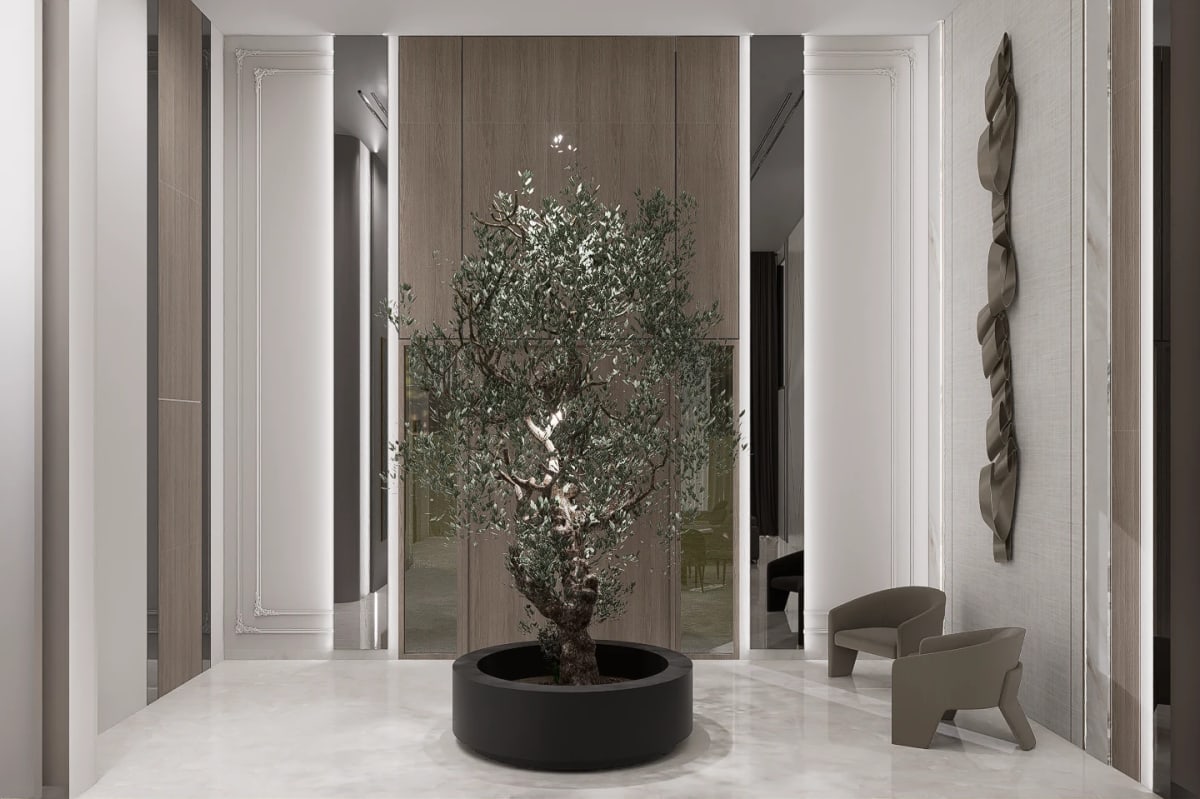
The reception area is the first physical interaction visitors have with an organization. In modern workplaces, it serves far more than a functional role—it communicates brand identity, professionalism, and the company’s approach to experience design.
A well-executed Corporate Reception Area Design creates a strong first impression while supporting security, efficiency, and visitor comfort. As corporate environments evolve toward hybrid work models and experience-driven workplaces, reception areas in 2026 are expected to blend functionality, technology, and brand storytelling.
This guide outlines the key corporate lobby design principles, strategic planning approaches, and modern design considerations organizations should follow when designing reception areas for contemporary corporate environments.
The Role of Reception Areas in Corporate Environments
Corporate reception spaces have evolved from simple waiting areas into strategic brand and operational spaces.
In many organizations across the UAE—particularly in cities such as Dubai and Abu Dhabi—reception areas now function as:
• Brand experience zones
• Visitor management points
• Security checkpoints
• Informal meeting spaces
• Navigation hubs for large workplaces
Because of this shift, corporate reception area design must balance aesthetics, operational flow, and visitor experience.
Companies planning new workplaces often integrate reception planning within broader office strategies such as workspace planning and office layout strategies.
Core Corporate Lobby Design Principles
A successful reception space is built on several foundational design principles.
1. Clear Spatial Hierarchy
Visitors should immediately understand:
• Where to check in
• Where to wait
• Where to go next
Effective spatial hierarchy is created through:
• Strategic furniture placement
• Lighting emphasis on the reception desk
• Visual sightlines from the entrance
• Flooring or ceiling transitions
Without clear hierarchy, visitors may feel uncertain about how to navigate the space.
2. Strong Brand Expression
Reception areas should visually communicate the company’s identity.
This can be achieved through:
• Branded feature walls
• Custom reception desks
• Integrated digital displays
• Brand-aligned materials and colors
In many modern corporate reception design projects, designers use architectural branding, where brand identity becomes part of the physical environment rather than relying solely on signage.
Companies exploring workplace identity often expand this concept across the office through modern workplace design trends for UAE offices.
3. Functional Visitor Flow
Reception areas must accommodate different visitor journeys, including:
• Scheduled guests
• Walk-in visitors
• Delivery personnel
• Job candidates
• Employees entering the workplace
Design strategies to manage this include:
• Separate entry pathways
• Defined waiting areas
• Digital check-in kiosks
• Controlled access points
Efficient visitor flow is one of the most important corporate lobby design principles, particularly in high-traffic office environments.
Reception Layout Strategies for Corporate Offices
When planning office reception design ideas, layout decisions significantly affect both visitor experience and operational efficiency.
Central Reception Layout
A central reception desk positioned directly in line with the entrance is the most common configuration.
Advantages include:
• Immediate visibility
• Clear visitor orientation
• Strong brand focal point
This layout is especially effective in mid-sized corporate offices.
Zoned Reception Layout
Larger workplaces increasingly adopt zoned reception areas.
Typical zones include:
• Check-in zone
• Waiting lounge
• Informal meeting area
• Digital directory wall
Zoning improves space utilization while allowing multiple activities to occur simultaneously.
This strategy works particularly well in offices implementing flexible workplace concepts such as those explored in hybrid workplace design strategies for modern offices.
Hospitality-Inspired Reception
A growing trend in modern corporate reception design is the hospitality-style reception.
Key features include:
• Lounge-style seating
• Coffee points or refreshment areas
• Warm lighting and natural materials
• Concierge-style reception desks
This approach creates a more welcoming and human-centered environment for visitors.
Technology Integration in Reception Spaces
Technology is reshaping how reception areas operate.
In 2026, corporate reception areas commonly integrate:
Digital Visitor Management
Systems allow guests to:
• Pre-register before arrival
• Check in through kiosks or tablets
• Receive visitor badges automatically
These systems improve security and operational efficiency.
Smart Wayfinding
Large offices increasingly use:
• Digital directories
• Interactive maps
• Mobile navigation tools
These features reduce reliance on reception staff for basic navigation assistance.
Integrated Communication Displays
Digital screens can be used to display:
• Company updates
• Brand storytelling content
• Welcome messages for guests
• Sustainability initiatives
When integrated thoughtfully, they enhance both branding and communication.
Material Selection for Modern Corporate Reception Design
Materials play a major role in the perceived quality of a reception space.
Professional designers typically focus on three priorities:
Durability
Reception areas experience high foot traffic, so materials must withstand frequent use.
Common choices include:
• Natural stone flooring
• Engineered surfaces
• Durable upholstery fabrics
• Commercial-grade wall finishes
Brand Alignment
Materials should reinforce the organization’s identity.
Examples include:
• Wood finishes for warmth and trust
• Metal accents for technology companies
• Glass elements for transparency and openness
Sustainability
Sustainability continues to influence corporate reception area design across the UAE.
Common sustainable design strategies include:
• Low-emission materials
• Energy-efficient lighting
• Recycled or responsibly sourced finishes
• Biophilic design elements
Organizations prioritizing environmental performance often expand these concepts through corporate landscape design and biophilic workplace integration.
Common Reception Design Challenges
Despite careful planning, reception areas often face several design challenges.
Limited Space
Many offices operate within constrained floor plates.
Solutions include:
• Compact reception desks
• Multi-functional furniture
• Vertical design features
• Space-efficient seating arrangements
Managing Visitor Traffic
High visitor volumes can create congestion.
Professional solutions include:
• Dual check-in counters
• Separate waiting zones
• Digital pre-registration systems
Balancing Security and Hospitality
Corporate environments must maintain security without creating an intimidating atmosphere.
Effective strategies include:
• Discreet access control systems
• Friendly reception desk positioning
• Clear visitor pathways
These solutions ensure that reception spaces remain welcoming while maintaining operational control.
Reception Design Trends for 2026
Several emerging trends are shaping office reception design ideas for corporate workplaces.
Biophilic Reception Spaces
Natural elements are increasingly used to create calming environments.
Examples include:
• Indoor planting
• Natural materials
• Living walls
• Natural lighting strategies
Multi-Functional Reception Areas
Reception spaces are becoming flexible social environments.
They may function as:
• Waiting areas
• Informal meeting spaces
• Event welcome zones
Minimalist Corporate Aesthetics
Many organizations are adopting clean, architectural design styles that emphasize:
• Simple geometry
• Neutral palettes
• Sculptural reception desks
• High-quality materials
This approach aligns well with the contemporary architectural identity seen across many UAE commercial developments.
Frequently Asked Questions
What makes a corporate reception area effective?
An effective reception area combines clear navigation, strong branding, visitor comfort, and operational efficiency.
How large should a corporate reception area be?
The size depends on visitor volume, building size, and company operations. Larger organizations typically require zoned reception layouts to accommodate different visitor types.
What furniture should be included in reception areas?
Common elements include:
• Reception desk
• Visitor seating
• Coffee or side tables
• Digital directory or display wall
Some organizations also include informal meeting seating.
Why is branding important in reception design?
Reception areas communicate a company’s identity. Strong branding reinforces professionalism and creates a memorable first impression.
How can reception areas improve visitor experience?
Visitor experience improves when reception spaces offer:
• Comfortable seating
• Clear navigation
• Efficient check-in systems
• Welcoming design
Are biophilic elements useful in reception areas?
Yes. Natural elements help create calm and welcoming environments, improving both visitor comfort and employee wellbeing.
Reception areas are no longer simple waiting zones. They are strategic environments that communicate brand identity, support operational efficiency, and shape visitor perception.
Effective corporate reception area design requires a balance between architecture, technology, and human-centered experience. By applying the right corporate lobby design principles, organizations can create reception spaces that are functional, memorable, and aligned with modern workplace expectations.
Companies planning new workplaces or office upgrades often integrate reception design within broader interior strategies such as commercial interior design solutions for businesses.