
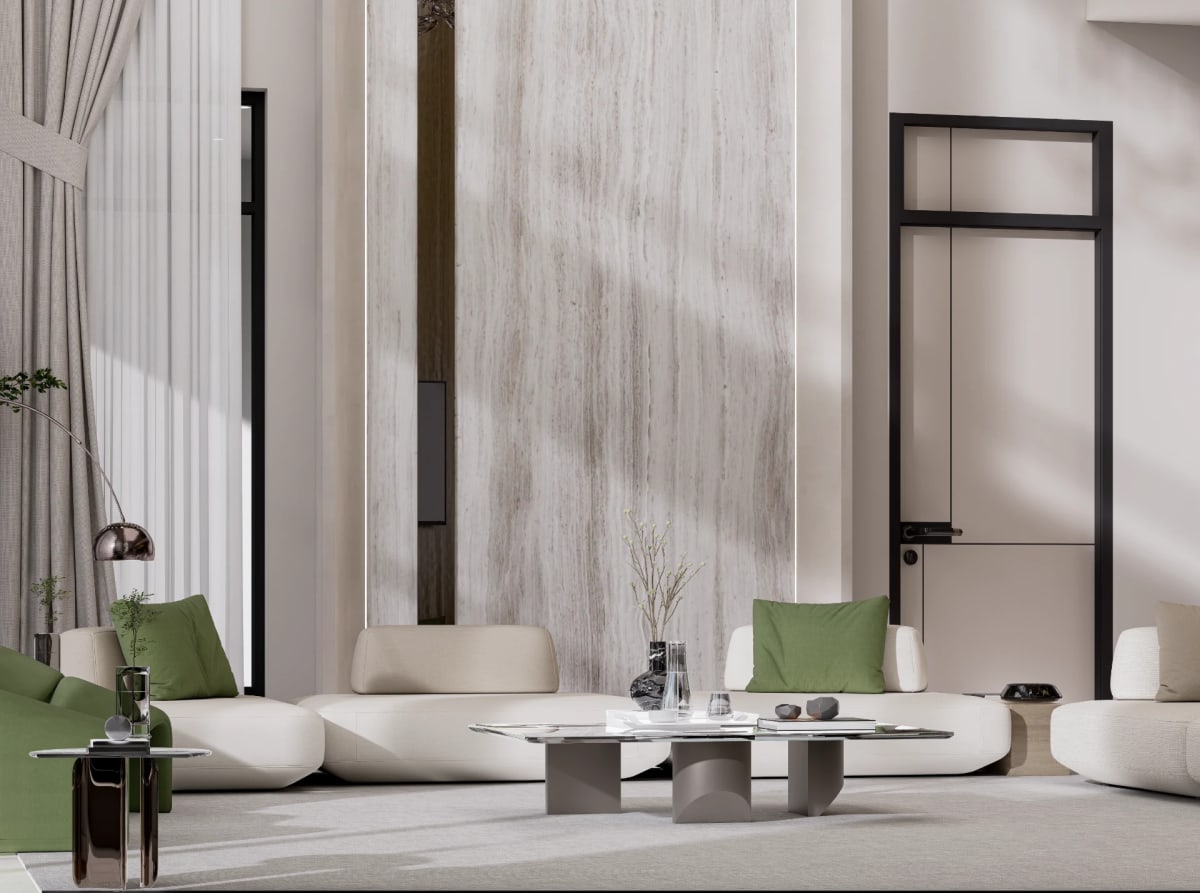
Airports are among the busiest commercial environments, welcoming travellers from different backgrounds, cultures, and destinations. Within these spaces, airport lounges provide a more private and comfortable setting where passengers can relax, work, dine, or prepare for their journeys.
Creating these environments requires more than attractive furniture and sophisticated finishes. Airport Lounge Interior Design involves combining passenger comfort, practical space planning, operational efficiency, and brand identity to deliver a seamless hospitality experience.
In the UAE, particularly in Dubai and Abu Dhabi, airport lounges play an important role in shaping the perception of airlines and airport operators. Their interiors must reflect international hospitality standards while incorporating thoughtful design elements that respond to regional character and passenger expectations.
Understanding Airport Lounge Interior Design
Airport lounges are multifunctional spaces designed to accommodate different passenger needs. Some travellers require quiet areas to work, while others look for comfortable seating, dining facilities, or private spaces to unwind before departure.
Successful airport lounge interior design concepts begin with understanding how people interact with the environment and translating those requirements into a functional design.
Three essential elements influence the overall experience:
- Comfort: Providing ergonomic furniture, suitable lighting, acoustic treatments, and relaxing environments.
- Functionality: Organising spaces efficiently to support movement, accessibility, and different passenger activities.
- Brand identity: Reflecting the airline’s or airport operator’s character through materials, colours, furniture, and architectural details.
Balancing these elements creates an environment that feels welcoming while supporting the operational demands of a busy airport.
Space Planning and Passenger Flow
Creating Functional Zones
Effective space planning is one of the most important aspects of airport lounge design. Rather than treating the lounge as one large seating area, designers should organise the interior into dedicated zones that serve different purposes.
Common areas include:
- Relaxation zones with comfortable lounge chairs and sofas.
- Business areas with workstations, charging points, and suitable lighting.
- Dining spaces with practical furniture arrangements.
- Social seating areas for families and groups.
- Quiet zones offering greater privacy and acoustic comfort.
This approach allows passengers to choose environments that suit their needs without disrupting other activities.
Improving Circulation and Accessibility
Passenger movement must be considered from the earliest design stages. Clear pathways between entrances, seating areas, dining facilities, and washrooms help prevent congestion and improve the overall experience.
Designers should also account for luggage movement, wheelchair accessibility, and comfortable circulation around furniture.
A well-organised layout makes the space easier to navigate while maximising the effective use of the available floor area.
Seating Design and Material Selection
Choosing the Right Seating Arrangements
Airport lounge seating and layout design should accommodate different passenger preferences while maintaining a consistent visual identity.
A combination of furniture types can help create a more versatile environment, including:
- Individual lounge chairs for relaxation.
- Sofas for families and groups.
- High-backed seating for additional privacy.
- Dining chairs for food and beverage areas.
- Dedicated work seating with accessible power outlets.
Furniture selection should consider ergonomics, durability, maintenance, and the overall design concept.
Selecting Durable Interior Finishes
Airport lounges experience continuous use, making material selection particularly important.
Commercial-grade upholstery, durable flooring, easy-to-maintain surfaces, and high-quality furniture finishes can help maintain the appearance of the interior over time.
The choice of materials should also complement the intended atmosphere. Natural textures, refined finishes, and carefully selected colour combinations can create an inviting environment without compromising practicality.
Lighting, Acoustics and Colour Coordination
Creating the Right Lighting Atmosphere
Lighting has a direct influence on passenger comfort and the perception of space.
A successful lighting scheme combines ambient, task, and accent lighting to support different activities. Softer illumination may be suitable for relaxation areas, while brighter lighting is more appropriate for workstations and reading spaces.
Natural light should also be considered wherever the architectural layout allows it, helping create a more open and comfortable environment.
Improving Acoustic Comfort
Noise from airport terminals can affect the quality of the lounge experience. Acoustic planning helps establish a quieter environment where passengers can relax, communicate, or work.
Design solutions may include:
- Acoustic ceiling panels.
- Sound-absorbing wall finishes.
- Upholstered furniture.
- Strategic placement of partitions.
- Separation between dining and quiet areas.
These measures help reduce unwanted noise while maintaining an attractive interior.
Incorporating Brand Identity into Lounge Interiors
An airport lounge is an extension of the airline or airport brand. Its interior should communicate the organisation’s values through a consistent design language.
Brand identity can be reflected in colour palettes, furniture styles, lighting, materials, artwork, and architectural detailing.
For example, a premium airline may prefer understated finishes, elegant furniture, and private seating arrangements. A contemporary travel brand might adopt more open layouts, distinctive accent colours, and communal spaces.
The objective is to create a recognisable atmosphere without allowing decorative elements to interfere with functionality.
For inspiration, designers can explore different commercial interior design ideas that demonstrate how materials, layouts, and visual details can be combined to create distinctive hospitality environments.
Luxury Airport Lounge Interiors
Luxury is not simply about expensive materials or decorative features. It is about delivering a comfortable, considered, and consistent experience throughout the space.
Well-designed luxury airport lounge interiors typically focus on:
- High-quality and ergonomic furniture.
- Refined material combinations.
- Thoughtful lighting design.
- Private and semi-private seating options.
- Comfortable dining environments.
- Effective temperature and ventilation control.
- Seamless integration of technology.
Every detail should contribute to the overall experience while remaining practical for daily operations.
Discover how our completed interior design projects demonstrate the importance of combining functionality, aesthetics, and brand identity in creating distinctive commercial environments.
Common Challenges in Airport Lounge Design
Limited Space and High Passenger Capacity
Accommodating different activities within a limited floor area can be challenging.
Solution: Use efficient space planning, multifunctional furniture, and clearly defined zones to improve usability without creating overcrowded environments.
Balancing Privacy and Social Interaction
Some passengers prefer private seating, while others need spaces for conversation and group interaction.
Solution: Introduce a combination of open seating, semi-private arrangements, acoustic partitions, and dedicated quiet zones.
Maintaining Durability and Visual Quality
High passenger traffic can affect furniture, flooring, and interior finishes.
Solution: Specify durable commercial materials that are easy to maintain while maintaining the intended design aesthetic.
Coordinating Design and Technical Requirements
Airport interiors must accommodate electrical systems, lighting, ventilation, fire safety, and accessibility requirements.
Solution: Coordinate interior design and technical disciplines from the beginning to ensure that the proposed concept can be implemented effectively.
A Practical Approach to Designing Airport Lounges
A structured design process helps ensure that the final environment meets passenger expectations and operational requirements.
Step 1: Understand the project requirements
Identify the target passenger groups, operational needs, brand guidelines, and available space.
Step 2: Develop the space-planning concept
Establish functional zones, seating arrangements, circulation routes, and accessibility requirements.
Step 3: Define the interior design direction
Select materials, colours, furniture, lighting, and architectural details that support the overall identity.
Step 4: Coordinate technical requirements
Integrate mechanical, electrical, lighting, fire safety, and other essential building services into the design.
Step 5: Implement the fit-out
Coordinate construction, installation, finishes, and furniture placement to achieve the approved design intent.
Step 6: Review the completed environment
Assess comfort, functionality, accessibility, durability, and consistency with the original design objectives.
Professional coordination between design and construction teams is essential throughout these stages.
Explore our professional interior design and fit-out services to discover how thoughtful planning, technical coordination, and quality execution can transform commercial spaces.
Frequently Asked Questions
1. What makes airport lounge interior design different from other commercial interiors?
Airport lounges must accommodate different passenger activities, high occupancy levels, accessibility requirements, and operational considerations. They combine hospitality design with the technical demands of an airport environment.
2. What are the most important features of a comfortable airport lounge?
Comfortable seating, effective lighting, acoustic control, suitable temperature, clear circulation, and dedicated relaxation and working areas are among the most important features.
3. How can airport lounges reflect an airline’s brand identity?
Brand identity can be integrated through colour palettes, materials, furniture, lighting, artwork, signage, and spatial arrangements that communicate the airline’s character.
4. Which materials are suitable for airport lounge interiors?
Commercial-grade upholstery, durable flooring, easy-to-clean surfaces, and robust furniture finishes are suitable considerations. The final selection should balance appearance, durability, hygiene, and maintenance.
5. How can limited airport lounge space be used effectively?
Strategic zoning, multifunctional furniture, efficient circulation, and carefully planned seating arrangements help maximise space while maintaining passenger comfort.
6. Why is professional design and build coordination important?
Coordination between designers, engineers, and fit-out teams helps ensure that the interior concept aligns with technical requirements, construction considerations, and operational needs.
Designing a successful airport lounge requires a comprehensive understanding of passenger expectations, spatial functionality, material performance, and brand identity. From seating arrangements and lighting to acoustic comfort and technical coordination, every element contributes to the overall experience.
In the UAE, where airports connect international destinations and welcome diverse passenger groups, well-considered lounge interiors can help create distinctive hospitality environments that reflect both international standards and regional character.
The influence of social media has also introduced expressions such as dubai-it, often associated with giving spaces a distinctive Dubai-inspired identity. In airport lounge design, this can be reflected through contemporary architectural details, refined materials, regional influences, and a strong sense of place.
Ultimately, effective airport lounge interior design is about creating spaces that look impressive, function efficiently, and provide passengers with a comfortable experience. For businesses and airport operators considering new hospitality environments, exploring professional design and build expertise is an important step towards achieving these objectives.