
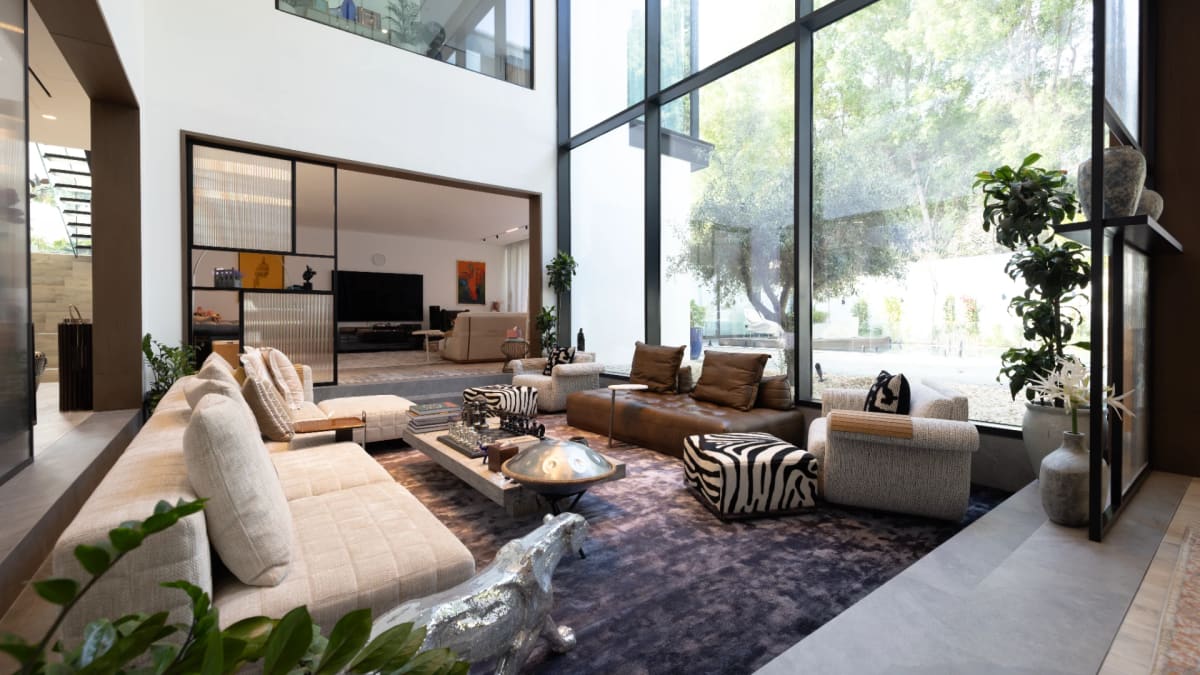
A well-designed lounge is more than a comfortable seating area. In a luxury villa, it serves as a place to unwind, welcome guests, and enjoy meaningful conversations within an elegant residential setting. Achieving this balance requires thoughtful spatial planning, carefully selected materials, layered lighting, and furniture that supports both comfort and visual harmony.
Luxury Villa Lounge Design Dubai focuses on creating sophisticated interiors that reflect the homeowner’s lifestyle while complementing the villa’s architecture. From contemporary open-plan lounges to intimate sitting rooms, every design decision should contribute to a space that feels inviting, functional, and timeless.
In Dubai and across the UAE, residential lounge design also responds to regional living preferences, including family gatherings, formal entertaining, and the relationship between indoor and outdoor spaces. A successful design accommodates these needs without sacrificing individuality or refinement.
Understanding Luxury Villa Lounge Interiors in the UAE
Luxury villa lounge interiors UAE combine visual sophistication with everyday practicality. Rather than relying exclusively on expensive-looking finishes or decorative furniture, effective design considers proportion, circulation, lighting, acoustics, and the way people use the room.
A lounge may function as a formal reception area, a family relaxation space, or a flexible environment that serves both purposes. Understanding its primary role is the first step towards creating an appropriate layout.
Key considerations include:
- The number of people typically using the lounge.
- Whether the space is intended for formal entertaining or everyday relaxation.
- The relationship between the lounge, dining area, entrance, and garden.
- The amount of natural light and the position of windows.
- Storage requirements and the need to accommodate personal belongings.
These factors help establish a design direction that feels cohesive rather than decorative for its own sake.
Planning a Modern Villa Lounge Design in Dubai
A successful Modern villa lounge design Dubai begins with the architecture and available floor area. Furniture, circulation routes, focal points, and lighting should work together to create a comfortable environment.
1. Establish a Clear Layout
Start by identifying the main activities that will take place in the lounge. A conversation-focused arrangement may use sofas and lounge chairs positioned towards one another, while a media-oriented space may require a different seating configuration.
Maintain clear pathways between entrances, seating, and adjacent rooms. Avoid placing large furniture pieces where they obstruct natural movement or important architectural features.
For larger villas, separate seating arrangements can create distinct zones for conversation and quiet relaxation. In smaller rooms, carefully proportioned furniture can achieve a similar sense of organisation without overcrowding the space.
2. Create a Visual Focal Point
A focal point gives the lounge a sense of direction. Depending on the architecture, this could be a feature wall, fireplace, sculptural lighting installation, artwork, or a view towards a landscaped garden.
The focal point should support the room’s overall composition. Too many competing features can make the interior feel visually cluttered, while a carefully chosen centrepiece establishes character and helps organise the surrounding furniture.
Selecting Materials, Colours, and Finishes
Material selection plays a significant role in the appearance and long-term usability of a luxury lounge. The objective is to combine tactile richness, visual consistency, and practical performance.
Build a Balanced Material Palette
Natural stone, timber, textured fabrics, refined metals, and decorative wall finishes can contribute to a sophisticated interior when used selectively.
For example, a neutral palette of warm beige, soft white, and natural timber can create a calm atmosphere. Darker accents, sculptural furniture, or carefully selected metallic details can introduce contrast without overwhelming the space.
When selecting finishes, consider:
- Durability: Choose materials suitable for the expected level of use.
- Texture: Combine smooth and tactile surfaces to add depth.
- Colour balance: Coordinate walls, flooring, furniture, and accessories.
- Maintenance: Consider dust visibility, cleaning requirements, and fabric performance.
- Architectural consistency: Ensure finishes complement the villa’s existing design language.
In the UAE, strong daylight can affect how colours and surfaces appear throughout the day. Samples should therefore be reviewed under the room’s actual lighting conditions before final selections are made.
Designing an Elegant Villa Sitting Room in Dubai
An Elegant villa sitting room design Dubai should encourage conversation while providing a comfortable setting for both residents and visitors. Furniture arrangement is central to achieving this purpose.
Prioritise Conversation and Comfort
Position seating so that occupants can interact naturally without needing to turn awkwardly or raise their voices. A combination of sofas, armchairs, and occasional tables can create a balanced arrangement.
Consider the following principles:
- Select furniture proportions appropriate to the room’s dimensions.
- Provide convenient surfaces for drinks, books, and decorative objects.
- Maintain comfortable distances between seating and tables.
- Use rugs to define seating zones where appropriate.
- Avoid placing furniture too close to doors or circulation routes.
In larger villas, a secondary seating area can support smaller conversations without disrupting the main lounge. In formal reception rooms, symmetrical arrangements may create a sense of order, while asymmetrical layouts can feel more relaxed and contemporary.
The ideal configuration depends on the intended atmosphere rather than a single prescribed style.
Lighting for a Sophisticated Lounge Atmosphere
Lighting shapes the mood of a lounge and influences how materials, colours, and architectural details are perceived. A well-considered scheme combines natural daylight with multiple layers of artificial lighting.
Use Three Complementary Lighting Layers
Ambient lighting provides general illumination through recessed fixtures, ceiling lights, or concealed lighting systems.
Task lighting supports specific activities such as reading, writing, or working at a side table. Floor and table lamps can provide focused illumination without making the entire room overly bright.
Accent lighting highlights artwork, textured walls, shelving, or architectural details, introducing depth and visual interest.
Dimmers and independently controlled lighting circuits allow the lounge to transition between daytime use, evening relaxation, and entertaining.
In Dubai villas with large windows, consider glare control and the effect of direct sunlight on upholstery, flooring, and artwork. Curtains, blinds, and appropriate glazing strategies can help maintain comfort while preserving natural light.
Contemporary Lounge Interior Design in the UAE
Contemporary lounge interior design UAE often benefits from a restrained approach in which architectural form, quality materials, and carefully chosen furnishings create the desired atmosphere.
Rather than following every design trend, homeowners can develop a more enduring interior by combining contemporary elements with personal preferences.
Incorporate Regional Lifestyle Needs
Many UAE villas accommodate a variety of social occasions, from everyday family gatherings to formal guest visits. The lounge should reflect how the household uses its space.
Useful considerations include:
- Flexible seating for different group sizes.
- Privacy between formal entertaining areas and family spaces.
- Clear transitions between indoor lounges and outdoor terraces.
- Acoustic treatments that reduce excessive reverberation.
- Discreet storage for cushions, accessories, and everyday items.
The same principles can guide dubai-it residential design projects where architectural character, comfort, and functional planning must work together.
A Step-by-Step Framework for Designing a Luxury Lounge
A structured process helps bring the different design elements together.
Step 1: Define the Purpose
Determine whether the lounge is primarily for entertaining, family use, quiet relaxation, or a combination of activities.
Step 2: Assess the Space
Review room dimensions, natural light, ceiling height, architectural features, access points, and views.
Step 3: Develop the Layout
Plan furniture placement, circulation, focal points, and the relationship between seating zones.
Step 4: Select Finishes and Furnishings
Coordinate flooring, wall treatments, upholstery, furniture, rugs, and accessories through a consistent material palette.
Step 5: Integrate Lighting and Technology
Plan ambient, task, and accent lighting alongside entertainment systems, electrical outlets, and any required smart-home controls.
Step 6: Review Comfort and Practicality
Check seating comfort, clearances, glare, acoustics, storage, and maintenance requirements before finalising the design.
For projects involving extensive interior modifications, coordination between the interior designer, fit-out team, lighting specialists, and relevant technical consultants helps ensure that the finished lounge reflects the approved design.
Common Lounge Design Challenges and Solutions
Oversized or Undersized Furniture
Furniture that is too large can restrict circulation, while pieces that are too small may feel disconnected from the architecture. Use measured layouts and consider the visual weight of each item before making selections.
A Room That Feels Cold or Impersonal
Excessive use of hard surfaces and matching finishes can reduce warmth. Introduce layered textiles, timber details, artwork, and softer lighting to create a more welcoming environment.
Poor Lighting Balance
Relying on a single ceiling fixture can create harsh shadows or uneven illumination. Combine lighting layers and use appropriate controls to adapt the atmosphere to different activities.
Visual Clutter
Too many decorative accessories, competing patterns, or unrelated furniture styles can weaken the overall composition. Prioritise a few meaningful pieces and maintain a consistent design direction.
Frequently Asked Questions
1. What defines luxury villa lounge design?
It combines considered spatial planning, comfortable furniture, quality materials, layered lighting, and a cohesive aesthetic tailored to the homeowner’s lifestyle.
2. How can a villa lounge feel luxurious without appearing overly formal?
Use comfortable seating, tactile materials, warm lighting, personal artwork, and a balanced layout. Luxury can come from thoughtful details rather than excessive decoration.
3. Which colours work well in Dubai villa lounges?
Warm neutrals, natural earth tones, muted greens, and carefully selected darker accents can work well. The best palette depends on daylight, finishes, architectural style, and personal preference.
4. How should furniture be arranged for conversation?
Position sofas and chairs so occupants can interact comfortably, maintain convenient access to tables, and preserve clear circulation routes through the room.
5. How can natural light be managed in a UAE lounge?
Use suitable curtains, blinds, or glazing solutions to manage glare and direct sunlight while retaining the benefits of daylight.
6. Should the lounge connect visually with the garden?
Where the architecture allows, connecting the lounge to a terrace or landscaped garden can improve spatial continuity and create a stronger relationship between indoor and outdoor living.