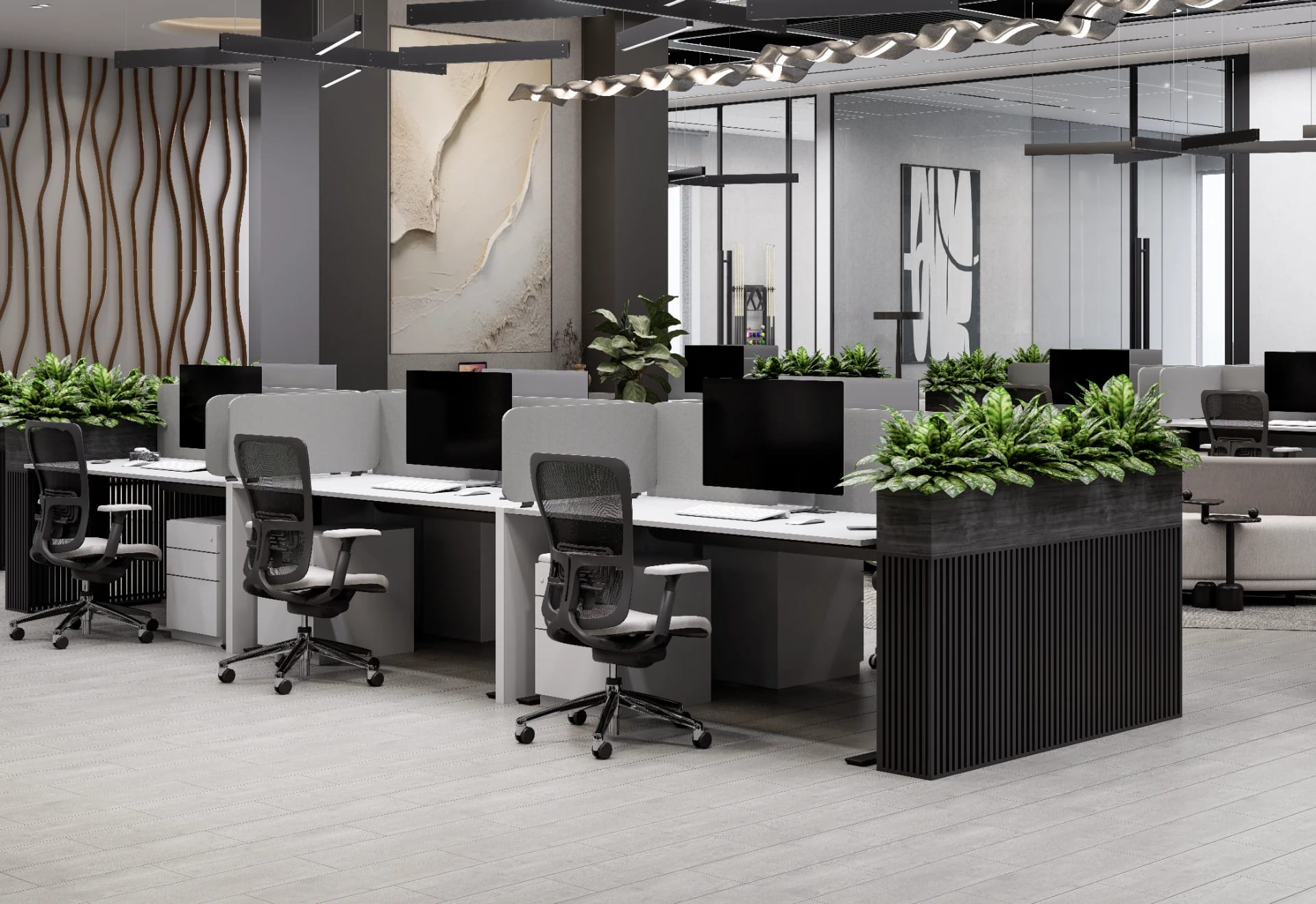
In a fast-evolving commercial landscape like Dubai, office layout planning Dubai is no longer just about arranging desks and meeting rooms. It is a strategic process that directly impacts productivity, employee well-being, and brand perception. Businesses across industries—from corporate firms to creative agencies—require tailored workspace solutions that align with their operational needs and company culture.
Effective office space planning for businesses UAE must consider flexibility, scalability, and compliance with local regulations while reflecting the unique dynamics of each business type.
Understanding Office Layout Planning in Dubai
Office layout planning involves designing a workspace that optimizes functionality, workflow, and user experience. In Dubai’s competitive business environment, companies are increasingly investing in commercial office layout design Dubai to create efficient and future-ready workspaces.
Key considerations include:
• Space utilization and zoning
• Employee movement and workflow efficiency
• Integration of technology
• Brand identity and aesthetics
• Compliance with UAE building standards
A well-planned office layout not only enhances operational efficiency but also supports employee engagement and collaboration.
Key Office Layout Types and Their Applications
1. Open Plan Offices
Ideal for:
• Startups
• Creative agencies
• Tech companies
Features:
• Minimal partitions
• Collaborative work zones
• Flexible seating arrangements
Benefits:
• Encourages teamwork
• Maximizes space usage
• Enhances communication
However, noise management and privacy solutions are essential for balance.
2. Cellular (Private Office) Layouts
Ideal for:
• Legal firms
• Financial institutions
• Executive offices
Features:
• Enclosed offices
• High privacy levels
• Defined hierarchies
Benefits:
• Confidentiality
• Reduced distractions
• Focus-driven work environment
3. Hybrid Office Layouts
Ideal for:
• Medium to large enterprises
• Consulting firms
• Corporate headquarters
Features:
• Mix of open spaces and private offices
• Collaboration zones and quiet areas
• Flexible workstations
This approach supports workspace planning for different industries by offering adaptability and balance.
4. Activity-Based Workspaces (ABW)
Ideal for:
• Modern, agile organizations
• Multinational companies
Features:
• Zones designed for specific tasks
• Breakout areas, focus pods, meeting rooms
• No assigned seating
Benefits:
• Enhances productivity
• Supports diverse work styles
• Promotes employee autonomy
Office Layout Planning by Business Type
Corporate Offices
Corporate environments require structured layouts that reflect professionalism and hierarchy.
Best practices:
• Clearly defined departments
• Executive offices and boardrooms
• Formal meeting spaces
• Efficient circulation paths
For deeper insights, consider linking to corporate workspace design strategies.
Creative and Media Agencies
Creativity thrives in flexible, inspiring environments.
Key elements:
• Open layouts with collaborative zones
• Informal meeting spaces
• Breakout and brainstorming areas
• Vibrant design elements
Explore more through modern workspace design trends.
Tech Companies and Startups
These businesses prioritize agility and innovation.
Recommended approach:
• Modular furniture systems
• Open-plan with quiet pods
• Scalable layouts
• Integration of smart technology
Retail and Showroom Offices
For businesses combining office and display functions:
Important considerations:
• Customer flow and accessibility
• Product display integration
• Front-of-house vs back-office zoning
Professional Services (Legal, Finance, Consulting)
These sectors demand privacy and structure.
Layout priorities:
• Private offices for client meetings
• Soundproof meeting rooms
• Reception and waiting areas
• Secure document storage
Step-by-Step Office Layout Planning Framework
1. Define Business Requirements
• Number of employees
• Nature of work
• Growth projections
• Client interaction needs
2. Analyze Space and Constraints
• Floor area and dimensions
• Natural light availability
• Structural elements
3. Develop Zoning Strategy
Divide the office into:
• Workstations
• Meeting areas
• Breakout spaces
• Support zones
4. Select Layout Type
Choose based on:
• Business type
• Team structure
• Workflow requirements
5. Integrate Design and Functionality
Align layout with:
• Brand identity
• Employee comfort
• Technology integration
For professional execution, refer to office fit-out services in Dubai.
6. Optimize and Test
• Evaluate workflow efficiency
• Identify bottlenecks
• Adjust layout as needed
Best Practices for Office Layout Planning in Dubai
• Prioritize flexibility to accommodate future growth
• Incorporate ergonomic furniture and wellness features
• Ensure compliance with UAE regulations
• Use sustainable and energy-efficient materials
• Balance aesthetics with functionality
Effective corporate office space optimization Dubai focuses on both immediate usability and long-term adaptability.
Common Challenges and Professional Solutions
Challenge 1: Limited Space
Solution:
Use multifunctional furniture and vertical storage to maximize available area.
Challenge 2: Noise and Distractions
Solution:
Incorporate acoustic panels, phone booths, and quiet zones.
Challenge 3: Poor Workflow Design
Solution:
Conduct workflow analysis and redesign circulation paths.
Challenge 4: Lack of Flexibility
Solution:
Adopt modular layouts and adaptable furniture systems.
Challenge 5: Balancing Collaboration and Privacy
Solution:
Implement hybrid layouts with both open and enclosed spaces.
The Role of Office Fit-Out Strategies in UAE
Successful office fit-out layout strategies UAE bridge the gap between design and execution. They ensure that the planned layout is implemented efficiently while maintaining quality and compliance.
Key aspects include:
• Material selection
• MEP coordination
• Space customization
• Quality control
A strategic fit-out process ensures that the final workspace aligns with both design intent and operational goals.
FAQ: Office Layout Planning in Dubai
1. What is the most effective office layout for productivity?
There is no one-size-fits-all solution. Hybrid and activity-based layouts are often the most effective because they combine collaboration and focus.
2. How does business type influence office design?
Different industries have unique workflow, privacy, and collaboration needs, which directly impact layout decisions.
3. What factors should be considered in Dubai specifically?
Local regulations, climate considerations, and cultural expectations all play a role in office planning.
4. How can office layouts support company growth?
Flexible and scalable designs allow businesses to expand without major disruptions.
5. What is the role of technology in modern office layouts?
Technology enables smart workspaces, enhances communication, and improves operational efficiency.
6. When should a company consider redesigning its office layout?
When there are changes in team size, workflow inefficiencies, or evolving business needs.
Strategic office layout planning Dubai is essential for businesses aiming to create efficient, adaptable, and future-ready workspaces. By aligning layout design with business type and operational goals, companies can significantly enhance productivity and employee satisfaction.
Whether designing for corporate environments, creative industries, or tech-driven organizations, a well-planned office layout serves as a foundation for long-term success