
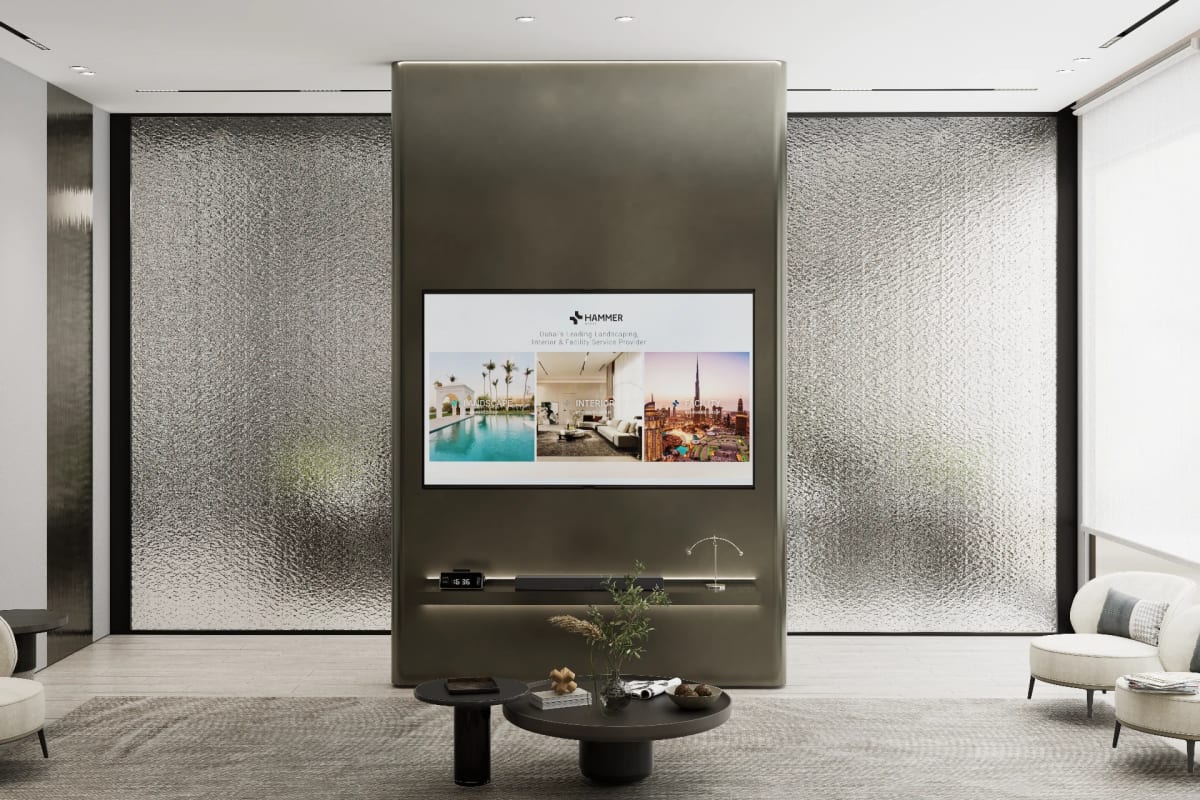
Luxury showrooms have evolved beyond traditional product display areas. They are now immersive environments where customers explore products, experience brand values, and form lasting impressions. In Dubai, where premium retail, automotive, furniture, fashion, and lifestyle brands compete for attention, showroom design plays an important role in shaping customer perception.
Commercial Showroom Fit-Out Dubai involves transforming commercial interiors into carefully planned spaces that reflect brand identity while supporting customer engagement and business operations. From spatial planning and material selection to lighting and interactive technology, every design decision contributes to the overall experience.
A successful showroom combines architectural quality, visual consistency, and practical functionality. For businesses entering or expanding within the UAE market, a well-considered fit-out can create a distinctive environment that appeals to local and international audiences.
What Is Commercial Showroom Fit-Out Design?
Commercial showroom fit-out design is the process of developing an interior environment specifically for presenting products, communicating brand values, and facilitating customer interaction.
Unlike conventional retail spaces, luxury showrooms often prioritise curated displays, spacious circulation, premium finishes, and personalised consultations. The design must balance visual impact with practical requirements, including storage, accessibility, lighting control, and staff operations.
Effective luxury showroom interior design Dubai projects typically focus on three objectives:
- Brand representation: Translating brand values into architectural details, materials, colours, and visual elements.
- Customer experience: Creating an inviting environment that encourages exploration and informed decisions.
- Operational efficiency: Supporting product demonstrations, consultations, inventory management, and daily maintenance.
These objectives should guide the project from initial concept development through technical coordination and installation.
Key Elements of Luxury Showroom Design in Dubai
1. Strategic Space Planning
Space planning determines how customers move through the showroom and interact with products. A well-organised layout creates a natural journey without making the environment feel restrictive.
Designers should identify primary display zones, consultation areas, feature installations, and back-of-house facilities. Clear circulation is particularly important in showrooms displaying furniture, vehicles, specialist equipment, or high-value products.
For Dubai commercial developments, the layout should respond to the unit configuration, building requirements, customer profile, and intended use of the space.
2. Premium Materials and Finishes
Materials influence how customers perceive quality. Natural stone, timber, metal accents, textured wall finishes, glass, and carefully detailed joinery can create a sophisticated interior when used thoughtfully.
Material selection should reflect the product category and brand identity rather than relying exclusively on decorative finishes. Durability, maintenance, and resistance to frequent use are equally important.
A luxury furniture showroom may benefit from warm timber finishes and layered textures, while a technology showroom might use clean surfaces, integrated lighting, and minimal detailing.
3. Lighting and Product Presentation
Lighting establishes atmosphere, directs attention, and reveals product details. A considered strategy combines ambient illumination with accent and task lighting.
Best practices include:
- Highlighting featured products without creating excessive glare.
- Maintaining accurate colour representation where product finishes matter.
- Integrating lighting discreetly into shelving and display structures.
- Providing suitable illumination for consultations and demonstrations.
- Managing daylight exposure where sensitive materials or products are displayed.
Lighting should be coordinated with the interior architecture rather than treated as a finishing detail.
4. Technology and Interactive Experiences
Digital displays, interactive screens, product configurators, and audiovisual systems can strengthen customer engagement when they serve a clear purpose.
For example, furniture customers could explore upholstery options digitally, while automotive visitors could review vehicle specifications and customisation choices.
The goal of Brand experience space design Dubai is to make the brand tangible through meaningful interactions. Technology should improve understanding and convenience without overwhelming the physical products or distracting from the overall environment.
A Step-by-Step Framework for Showroom Fit-Out
Step 1: Define Brand and Business Objectives
Establish the showroom’s primary purpose. Determine whether it will focus on product discovery, sales consultations, demonstrations, brand storytelling, or a combination of these activities.
Identify the target audience, featured products, customer expectations, and operational requirements before developing the design concept.
Step 2: Develop the Concept and Spatial Layout
Translate the brand strategy into a design direction. Establish the material palette, visual language, customer journey, display hierarchy, and relationship between public and staff-only areas.
At this stage, commercial interior design services can help align creative ideas with practical requirements and the building environment.
Step 3: Coordinate Technical Requirements
Coordinate architectural details with electrical systems, lighting, air conditioning, fire and life-safety requirements, data infrastructure, and specialist display equipment.
Projects in Dubai may require coordination with building management, landlords, developers, and relevant authorities. Requirements vary according to the property and project scope, so they should be confirmed during planning.
Step 4: Select Finishes and Integrate Displays
Choose finishes and display systems that support the brand concept while meeting functional needs. Consider how shelving, plinths, signage, concealed storage, and product lighting will work together.
The design should allow products to remain the primary focus while maintaining a consistent visual identity throughout the showroom.
Step 5: Review Quality and Operational Readiness
Before handover, review workmanship, lighting performance, display stability, equipment integration, accessibility, and consistency with the approved design.
A final inspection should also confirm that staff can operate the space effectively and that maintenance requirements have been considered.
Best Practices for Commercial Showroom Design in the UAE
Successful commercial showroom design UAE projects respond to regional conditions, customer expectations, and the specific demands of the business.
Consider the following practices:
- Respond to the climate: Manage direct sunlight and heat gain through appropriate glazing treatments, shading, and lighting strategies.
- Maintain brand consistency: Coordinate signage, materials, furniture, graphics, and digital content with established brand guidelines.
- Prioritise customer comfort: Provide clear circulation, comfortable consultation areas, and accessible routes.
- Design for flexibility: Use adaptable display systems where product collections or seasonal presentations change frequently.
- Integrate sustainability: Consider durable materials, energy-efficient lighting, and responsible material selection.
- Respect local context: Incorporate regional expectations and cultural considerations where relevant to the brand and target audience.
A brand may adopt a contemporary international aesthetic while ensuring that the showroom remains appropriate for its Dubai location. Even a dubai-it design approach should prioritise usability and brand relevance over visual trends alone.
Common Challenges and Professional Solutions
Balancing Luxury with Functionality
Highly decorative interiors can restrict movement or make products difficult to access. Designers should establish operational requirements early and test the proposed layout before finalising the concept.
Maintaining Consistent Lighting
Uneven illumination can distort product colours and reduce display quality. Coordinating lighting specifications with material samples and product requirements helps achieve more reliable results.
Managing Technical Coordination
Poor coordination between design, electrical systems, mechanical services, and specialist displays can affect the finished environment. Integrated design reviews and clear documentation help identify conflicts before installation.
Creating a Distinctive Brand Experience
A showroom may look attractive yet fail to communicate what makes the brand different. A clear design narrative, carefully selected feature displays, and consistent visual messaging can make the environment more memorable.
For businesses planning a complete fit-out, commercial fit-out and design-build services can support coordination between design intent, technical requirements, and on-site execution.
Supporting Design Considerations
Luxury showroom projects can also benefit from related design strategies. Businesses may explore luxury retail interior design in Dubai to understand premium material palettes and product presentation, commercial lighting design for product displays to improve visual clarity, and customer journey planning for retail environments to strengthen visitor engagement.
These supporting topics help connect the showroom’s appearance with its practical purpose.
Frequently Asked Questions
1. What is included in a commercial showroom fit-out?
A showroom fit-out may include space planning, interior design, partitions, flooring, ceilings, lighting, joinery, display systems, signage, electrical services, and technology integration, depending on the project scope.
2. How does luxury showroom design differ from standard retail design?
Luxury showroom design generally places greater emphasis on curated product presentation, premium detailing, spacious layouts, and personalised customer experiences rather than maximising the number of products on display.
3. Which materials work well in luxury showrooms in Dubai?
Natural stone, timber, glass, metal, and high-quality textured finishes can work well. The appropriate selection depends on brand identity, product requirements, durability, and maintenance needs.
4. Why is lighting important in showroom design?
Lighting highlights key products, supports accurate colour perception, establishes atmosphere, and guides visitors through the space.
5. What should businesses consider before starting a showroom fit-out?
Businesses should define their brand objectives, customer profile, product display needs, operational requirements, technical constraints, and applicable building or authority approvals.
6. Can showroom interiors adapt to changing product collections?
Yes. Modular displays, adjustable shelving, flexible lighting arrangements, and adaptable signage can make it easier to update product presentations without redesigning the entire space.