
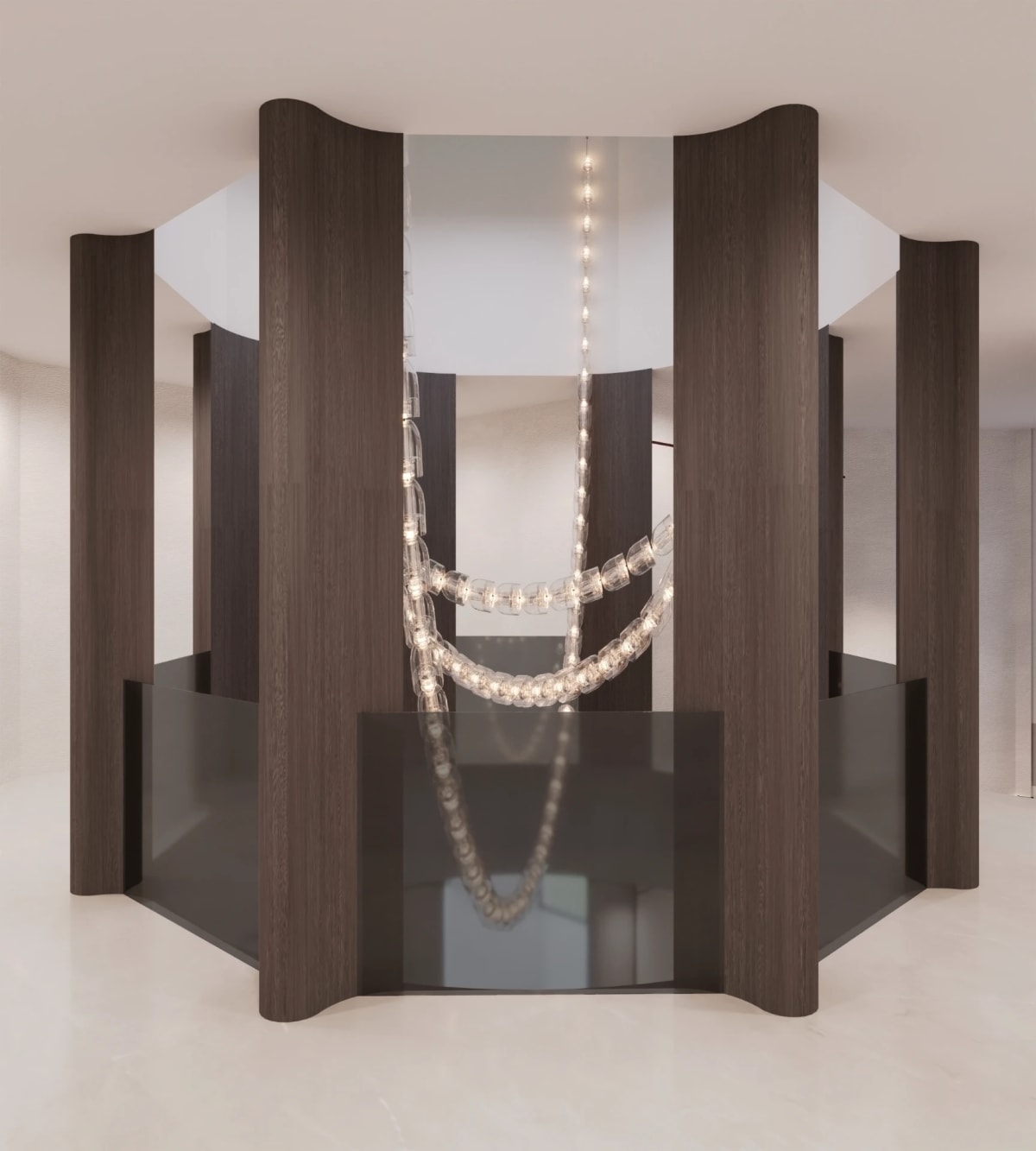
Dubai villas are increasingly moving beyond plain walls and conventional decorative finishes. In 2026, interior spaces are placing greater emphasis on architectural character, proportion, texture and carefully considered detailing.
One of the most effective ways to achieve this is through wall moulding and architectural features. From refined wall panels and contemporary trims to fluted surfaces and recessed details, these elements can transform an otherwise simple wall into an integral part of the interior architecture.
For homeowners, developers and property decision-makers, understanding Dubai villa wall moulding trends can help create interiors that feel sophisticated, balanced and appropriate to the scale of modern UAE villas.
What Is Wall Moulding and Architectural Detailing?
Wall moulding refers to decorative or architectural profiles applied to walls to create definition, structure or visual depth. Traditional examples include raised panels, wainscoting and decorative trims, while contemporary approaches may use geometric panels, shadow gaps, fluted surfaces and recessed sections.
Architectural detailing goes beyond moulding itself. It considers how walls interact with:
- Ceilings and cornices
- Doors and openings
- Flooring
- Built-in cabinetry
- Lighting
- Furniture
- Stone and timber finishes
- Decorative features
In a Dubai villa, these elements need to work together as part of one coherent design language.
The objective is not simply to decorate a wall. Good detailing should enhance the architecture of the room and establish a sense of proportion.
Why Wall Moulding Works Well in Dubai Villas?
Many villas across Dubai feature spacious living areas, high ceilings, large entrance halls and generous wall surfaces. While these characteristics create opportunities for impressive interiors, large uninterrupted walls can sometimes feel visually flat.
Wall moulding provides a practical design solution by introducing rhythm and depth without necessarily adding excessive colour or decoration.
It can be used to:
- Frame artwork or feature areas
- Define dining and reception spaces
- Add character to bedrooms
- Emphasise entrance walls
- Create visual symmetry
- Introduce texture to neutral interiors
- Complement contemporary furniture and lighting
The right detailing can therefore make a large space feel more intentional and visually complete.
Key Dubai Villa Wall Moulding Trends for 2026
1. Minimalist Panel Moulding
One of the strongest directions is a move towards simpler panel designs.
Instead of highly ornate profiles, contemporary interiors often favour clean rectangular or square compositions. These can create an elegant architectural framework while maintaining a modern appearance.
Minimal panel moulding works particularly well in living rooms, bedrooms, corridors and formal reception spaces.
The proportions should always be adapted to the wall. A large villa wall may require larger panels, while smaller rooms usually benefit from a simpler arrangement.
2. Fluted and Vertical Wall Details
Fluted wall treatments are another popular way to introduce texture and vertical rhythm.
The repeated vertical lines can emphasise ceiling height and create a sense of movement across a wall. Depending on the material and finish, the effect can range from warm and residential to highly contemporary.
Fluted detailing can be particularly effective on:
- TV walls
- Entrance features
- Dining areas
- Bedroom headboards
- Transitional spaces
- Open-plan room dividers
3. Recessed and Layered Wall Treatments
Architectural depth is becoming increasingly important in contemporary villa interiors.
Rather than relying on a single decorative layer, designers can combine recessed sections, raised panels, trims, lighting and contrasting finishes.
This creates a more sophisticated visual hierarchy.
For example, a feature wall might combine a recessed central panel with concealed lighting and a textured finish, while surrounding walls remain relatively simple.
This approach allows the feature to stand out without making the entire room visually busy.
4. Wall Moulding With Integrated Lighting
Lighting can significantly change the appearance of architectural detailing.
LED strips, concealed lighting and carefully positioned wall fixtures can highlight panel edges, recesses and changes in surface depth.
However, lighting should be considered during the design stage rather than treated as an afterthought.
The position of electrical points, switches and fixtures needs to be coordinated with the moulding layout to maintain clean lines.
5. Warm and Natural Material Combinations
Although painted moulding remains popular, modern villa interiors are increasingly combining architectural detailing with warmer finishes.
Depending on the overall concept, wall treatments can incorporate:
- Timber tones
- Stone
- Textured paint
- Neutral colours
- Metallic accents
- Fabric panels
The goal is to create contrast without introducing too many competing materials.
Architectural Detailing for Dubai Villas: A Practical Approach
Choosing the right wall treatment should start with the architecture of the property rather than with a decorative profile.
Step 1: Understand the Space
Begin by assessing the dimensions and architectural features of the room.
Look at ceiling height, wall width, doors, windows, columns and existing sightlines. These factors determine how much detailing a space can accommodate.
Step 2: Establish the Interior Style
The moulding should support the overall design direction.
A contemporary villa may benefit from clean geometric panels and subtle recessed details, while a classical or transitional interior may accommodate more decorative profiles.
Consistency is particularly important when detailing is used throughout an entire villa.
Step 3: Create a Proportionate Layout
Wall panels should be designed according to the dimensions of the wall.
Avoid automatically dividing every wall into identical sections. The layout should respond to doors, windows, furniture and architectural focal points.
Step 4: Coordinate With Furniture
The final wall composition should work with the furniture arrangement.
For example, a large living-room feature wall may need to accommodate a television, artwork, sofa or built-in cabinetry. Designing the moulding without considering these elements can result in awkward intersections.
Step 5: Coordinate Lighting and Services
Electrical outlets, switches, lighting and air-conditioning components should be considered before installation.
This is particularly important for detailed walls because poorly positioned services can interrupt otherwise clean architectural lines.
Common Mistakes to Avoid
Using Too Much Moulding
One of the most common mistakes is applying decorative detailing to every wall.
When everything becomes a feature, nothing feels like a feature.
A better approach is to establish a hierarchy between primary feature walls and quieter supporting surfaces.
Ignoring Scale
A moulding profile that looks appropriate in a small sample may appear too delicate or too heavy when installed across a large villa wall.
Scale should always be considered in relation to the room.
Mixing Too Many Styles
Combining several unrelated decorative languages can make an interior feel inconsistent.
A successful villa usually benefits from a limited set of architectural principles that are repeated throughout the property.
Treating Detailing as an Afterthought
Wall moulding should not be added after the rest of the interior has already been finalised.
It needs to be coordinated with joinery, lighting, doors, flooring and furniture from the beginning.
Wall Moulding and Villa Interior Design Trends Dubai 2026
The wider Villa interior design trends Dubai 2026 landscape is increasingly focused on layered and personalised interiors.
This does not necessarily mean using more decorative elements. Instead, designers are creating visual interest through proportion, material contrast, texture, lighting and architectural depth.
This is particularly relevant to modern UAE villas, where the interior needs to respond to generous spaces without becoming visually overwhelming.
A carefully designed wall treatment can provide that balance.
For more inspiration, explore our project showcasing how architectural detailing and refined interior finishes can be incorporated into a contemporary villa project.
Modern Wall Moulding Ideas for Different Villa Spaces
Different rooms require different approaches to architectural detailing.
Living Rooms
Living rooms can accommodate larger feature compositions, particularly behind televisions, sofas or artwork.
Large geometric panels, recessed features and integrated lighting can establish a strong focal point.
Dining Rooms
Dining areas can benefit from symmetrical panel moulding or textured wall treatments that create a more formal atmosphere.
The wall treatment should complement the dining table, lighting fixture and surrounding finishes.
Bedrooms
Bedrooms generally benefit from softer and more restrained detailing.
Panel moulding behind a bed can create a sophisticated alternative to a conventional headboard, while fabric or timber elements can introduce warmth.
Entrance Halls
The entrance is an opportunity to establish the design language of the villa.
A carefully proportioned feature wall, combined with architectural lighting and selected materials, can create a strong first impression without excessive decoration.
If you are exploring modern wall treatments, our guide to contemporary wall moulding ideas offers further inspiration for creating refined and balanced interiors.
Best Practices for Architectural Wall Detailing
A successful wall moulding scheme should follow several practical principles:
- Prioritise proportion: Design the layout around the dimensions of the space.
- Create hierarchy: Use feature walls selectively.
- Coordinate materials: Ensure wall treatments complement flooring, doors and cabinetry.
- Integrate lighting: Plan illumination alongside the architectural detailing.
- Consider functionality: Allow for furniture, switches, sockets and other services.
- Maintain consistency: Repeat key design principles throughout the villa.
- Focus on craftsmanship: Precise measurements, alignment and installation are essential.
For projects requiring professional coordination between design and execution, explore our interior fit-out service for a more integrated approach to architectural detailing and villa interiors.
Frequently Asked Questions
Is wall moulding suitable for contemporary Dubai villas?
Yes. Wall moulding can be highly contemporary when it uses clean profiles, restrained geometry and carefully selected finishes.
Which rooms are best suited to decorative wall moulding?
Living rooms, dining rooms, bedrooms, entrance halls and reception areas are common applications. The best location depends on the architecture and interior concept of the property.
Can wall moulding be combined with other materials?
Yes. Moulding can work alongside stone, timber, textured finishes, paint and fabric when the materials are carefully coordinated.
Should wall moulding match the doors and skirting?
It does not necessarily need to match them exactly. However, the profiles, colours and proportions should create a visually consistent relationship.
How can wall moulding remain timeless?
Focus on proportion, simplicity and quality rather than overly specific decorative trends. Clean architectural principles are generally easier to adapt over time.
Can wall moulding work on very large villa walls?
Yes. Large walls can provide excellent opportunities for architectural detailing. However, the scale of the panels, spacing and profiles should be developed specifically for the dimensions of the wall.
The most effective Dubai villa wall moulding trends for 2026 are ultimately about creating architectural depth rather than simply adding decoration.
Minimal panel moulding, fluted surfaces, recessed details, integrated lighting and carefully coordinated materials can all contribute to a more sophisticated villa interior when they are used with restraint.
The key is to treat wall detailing as part of the architecture from the beginning. When moulding, lighting, furniture, joinery and materials are designed as one system, the result is more cohesive and visually considered.
For homeowners, developers and project teams planning a new villa or upgrading an existing interior, thoughtful architectural detailing can provide a practical way to give the property a distinctive and refined identity.
To discuss how these detailing principles could be applied to your villa, explore Hammer Group’s service offering or speak with the team about your project requirements.