
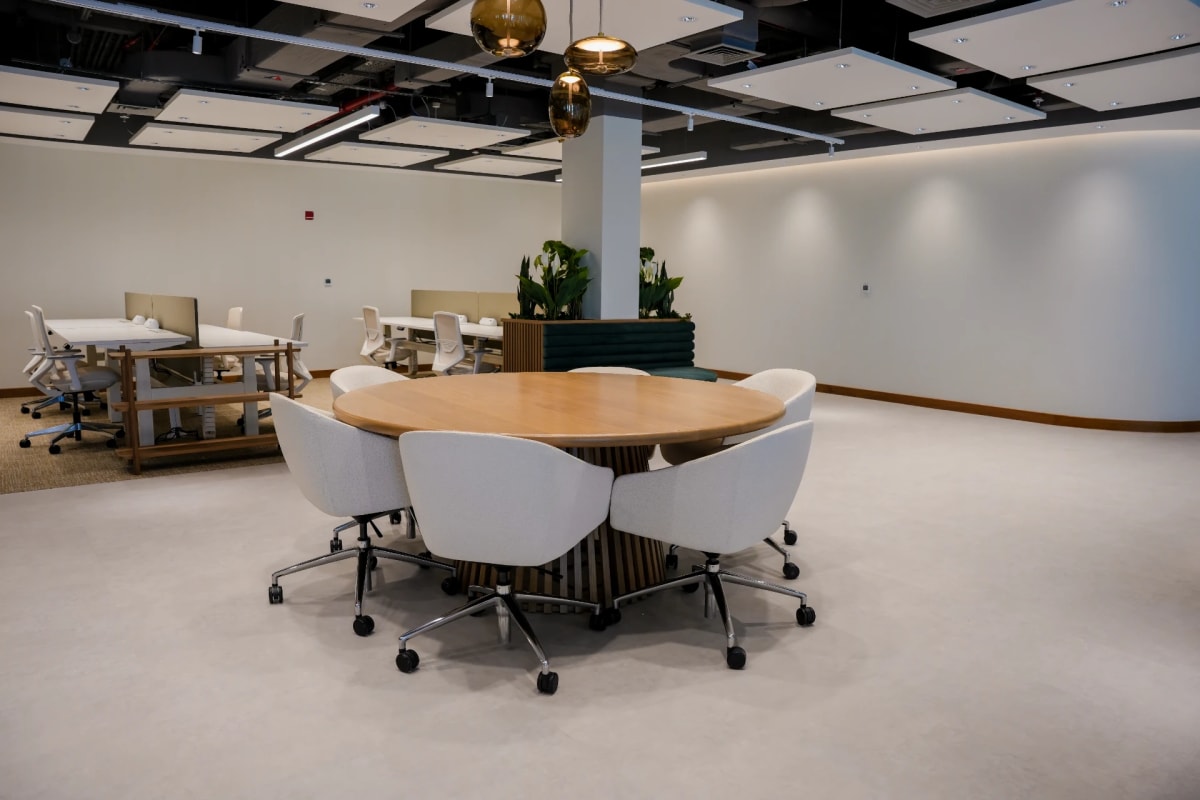
Creative and media businesses need workplaces that support more than routine desk-based work. Teams may move between focused production, brainstorming, client presentations, content creation, editing, and collaboration throughout the day. A successful Creative Workspace Fit-Out Dubai strategy should therefore balance flexibility, technical performance, comfort, and brand identity.
In Dubai's evolving commercial environment, creative agencies, production companies, media teams, and content-focused businesses increasingly require interiors that support different workstyles within one cohesive space. The fit-out should help people work effectively while creating an environment that reflects the organisation's culture and professional identity.
This guide explores the key considerations for planning creative and media workspaces and developing a commercial interior that is functional, adaptable, and appropriate for modern business operations.
Understanding the Needs of Creative and Media Workspaces
Unlike conventional offices, creative workplaces often support multiple activities at the same time. One team may require quiet concentration, while another is holding a brainstorming session or producing digital content.
A successful workspace should consider:
- Individual focused work
- Team collaboration
- Informal discussions
- Client meetings
- Content creation
- Editing and production
- Technology requirements
- Storage for specialist equipment
The goal is to create a workplace with enough variety to support these activities without making the office feel fragmented.
Step 1: Begin With Workplace Strategy and Space Planning
Effective fit-out begins before materials and furniture are selected. Businesses should first understand how their teams use the available space.
Consider questions such as:
- How many employees use the office?
- Which activities require quiet environments?
- How often do teams collaborate?
- Are client presentations held on-site?
- Is specialist media equipment required?
- Which areas need greater flexibility?
This assessment creates the foundation for an effective commercial interior fit-out Dubai project.
Map Different Work Zones
Creative offices often benefit from a combination of zones, including:
- Open workstations
- Quiet focus areas
- Meeting rooms
- Informal collaboration spaces
- Creative studios
- Editing rooms
- Client presentation areas
- Breakout spaces
A clear zoning strategy helps employees move naturally between different activities.
Step 2: Prioritise Flexibility
Creative teams and media businesses can change the way they work as projects develop. Rigid office layouts may limit collaboration and make the workspace less useful over time.
Flexible planning can include:
- Movable furniture
- Reconfigurable meeting spaces
- Modular workstations
- Multi-purpose rooms
- Adaptable collaboration areas
Flexibility does not mean the entire office needs to be open. It means providing spaces that can support different requirements when needed.
A well-planned collaborative creative workspace UAE approach combines shared areas with quieter environments where employees can concentrate.
Step 3: Address Acoustics Early
Acoustic performance is particularly important in creative and media environments.
Open offices can become distracting when multiple conversations, calls, and collaborative sessions take place simultaneously. Media work may also require controlled sound conditions for recording or editing.
Key Acoustic Considerations
- Acoustic wall treatments
- Sound-absorbing ceiling finishes
- Acoustic partitions
- Enclosed meeting rooms
- Quiet zones
- Appropriate flooring materials
Acoustic planning should be integrated into the fit-out concept rather than added only after noise becomes a problem.
Step 4: Plan Technology and Infrastructure
Modern media and creative workspaces often depend on reliable technology.
A media office fit-out Dubai project may require careful coordination of:
- Power distribution
- Data connectivity
- Audio-visual systems
- Display screens
- Recording equipment
- Editing workstations
- Equipment storage
Technology should be planned alongside the interior layout to avoid visible cables, poorly positioned power points, or inconvenient workstation arrangements.
Infrastructure also needs to support the future needs of the business where possible.
Step 5: Create Spaces for Collaboration and Focus
A common mistake in creative office design is assuming that creativity only happens in open, social spaces.
While collaboration is important, employees also need places where they can focus without frequent interruptions.
A balanced workspace may include:
Open Collaboration Areas
Suitable for brainstorming, informal discussions, and team interaction.
Enclosed Meeting Rooms
Useful for presentations, confidential conversations, and focused group work.
Quiet Work Areas
Designed for tasks that require concentration, writing, editing, or detailed creative work.
Informal Breakout Spaces
These provide employees with an alternative setting for casual meetings or short periods of work.
The right combination depends on the company's work culture and daily operations.
Step 6: Reflect Brand Identity Through the Interior
Creative and media businesses often have strong visual identities. The office can help communicate that identity to employees and visitors.
However, branding should be integrated carefully.
Instead of placing logos on every wall, a professional media workspace design Dubai concept can express brand character through:
- Colour palettes
- Materials
- Graphic elements
- Artwork
- Custom joinery
- Lighting
- Furniture selection
The result should feel authentic to the organisation rather than overly decorative.
A thoughtful workplace can dubai-it by combining a distinctive creative identity with the professional standards expected in Dubai's commercial sector.
Common Challenges and Professional Solutions
Challenge: Excessive Noise
Solution: Introduce acoustic zoning, enclosed rooms, sound-absorbing finishes, and appropriately positioned collaborative areas.
Challenge: Limited Privacy
Solution: Balance open workstations with private meeting rooms and quiet focus spaces.
Challenge: Technology Is Added Too Late
Solution: Coordinate technology infrastructure during the early space-planning and fit-out stages.
Challenge: The Office Feels Too Generic
Solution: Use materials, graphics, lighting, and furniture that reflect the organisation's culture and brand identity.
Challenge: Lack of Flexibility
Solution: Introduce adaptable furniture and multi-purpose spaces where operational requirements may change.
Best Practices for Creative Workspace Fit-Out
When planning a creative or media workplace, focus on the following principles:
- Understand work patterns before designing the layout.
- Provide a variety of work settings.
- Balance collaboration with focused work.
- Integrate acoustic planning early.
- Coordinate technology and infrastructure with the fit-out.
- Create flexible spaces where appropriate.
- Use design to reinforce brand identity.
- Prioritise comfortable circulation between zones.
- Select durable and practical materials.
These principles can help businesses create workplaces that support both creative output and everyday operational requirements.
A Practical Fit-Out Framework
Step 1: Assess Business Requirements
Identify team sizes, work processes, equipment needs, and visitor requirements.
Step 2: Develop the Space Plan
Create zones for focused work, collaboration, meetings, production, and support functions.
Step 3: Coordinate Technical Requirements
Plan power, data, lighting, AV systems, and specialist equipment.
Step 4: Select Materials and Furniture
Choose finishes that support the desired aesthetic, acoustic performance, durability, and comfort.
Step 5: Integrate Brand Identity
Use the company's visual character to guide colour, graphics, and key design features.
Step 6: Review Functionality
Ensure circulation, storage, acoustics, and workplace flexibility work together as one coordinated environment.
FAQ
What makes a creative workspace different from a traditional office?
Creative workspaces typically support a wider range of activities, including collaboration, focused work, brainstorming, content production, and client engagement.
Why are acoustics important in media offices?
Noise can affect concentration, meetings, recording, and production work. Acoustic planning helps create environments suited to different activities.
Should creative offices be completely open-plan?
Not necessarily. A balanced workplace usually combines open collaboration areas with enclosed meeting rooms and quiet spaces.
How can a fit-out support changing workstyles?
Flexible furniture, modular layouts, and multi-purpose spaces can make it easier to adapt the workplace to changing operational needs.
How should technology be incorporated into the design?
Technology infrastructure should be planned during the early stages of space planning so power, data, AV systems, and specialist equipment are properly integrated.
Can workplace design reflect a creative company's brand?
Yes. Materials, colours, graphics, lighting, and custom features can communicate brand identity without making the office feel overly promotional.