
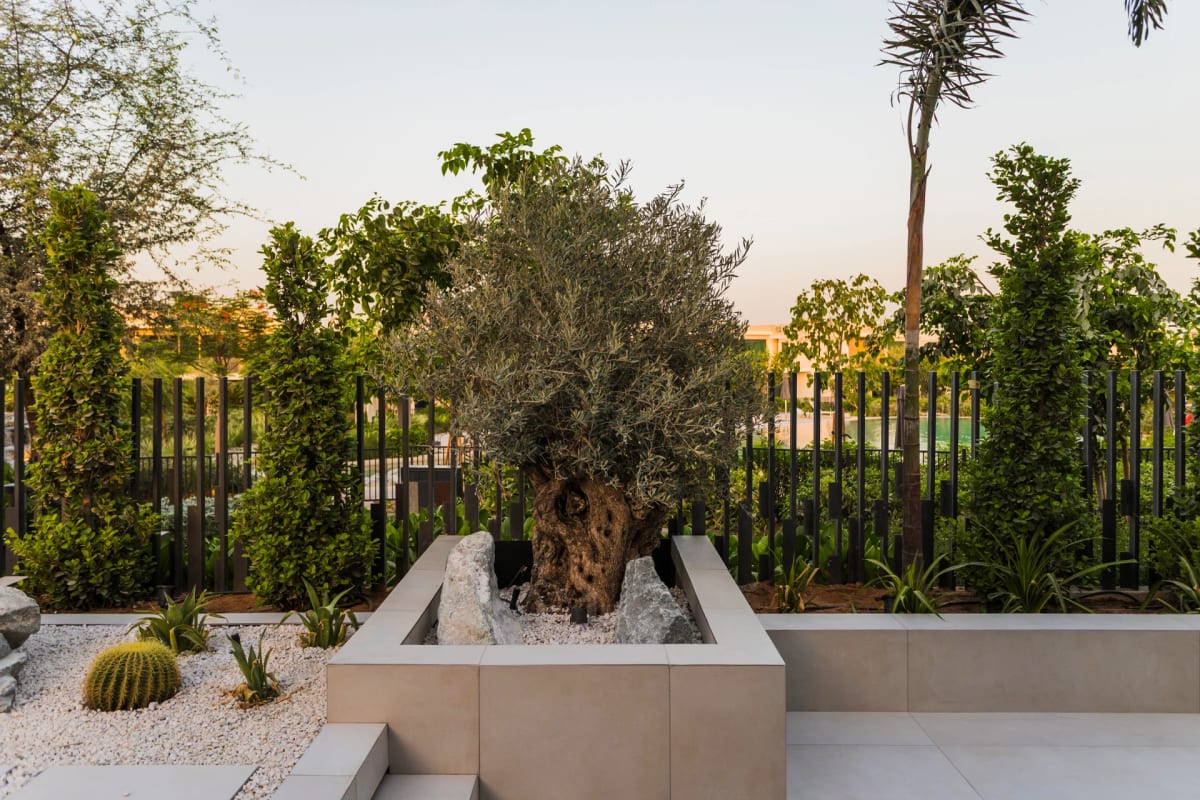
Villa boundary walls and property edges play an important role in shaping the appearance, privacy, and functionality of residential outdoor spaces. In Dubai, where contemporary architecture and carefully designed landscapes are common features of high-end villas, these areas offer opportunities to create a more cohesive and visually appealing garden.
Villa Boundary Wall Landscaping Dubai focuses on integrating planting, decorative finishes, screening features, and architectural details along the perimeter of a property. Rather than treating boundary walls as plain structural elements, homeowners can use them to establish a consistent landscape design that complements the villa's architecture.
A well-planned boundary landscape can soften hard surfaces, improve privacy, define outdoor zones, and create a more welcoming setting. However, successful design requires careful consideration of the UAE climate, available space, irrigation, maintenance, and relevant property regulations.
Why Boundary Wall Landscaping Matters
Boundary walls often occupy a substantial portion of a villa's outdoor perimeter. Without thoughtful landscaping, these surfaces can make a garden feel enclosed or visually unbalanced. Strategic planting and suitable finishes can transform them into an integral part of the outdoor environment.
Effective luxury villa boundary landscaping UAE projects can support several objectives:
- Visual enhancement: Softening large masonry surfaces with greenery, textures, and complementary materials.
- Privacy: Reducing direct views from neighbouring properties and nearby outdoor areas.
- Spatial definition: Establishing clear boundaries between gardens, pathways, service areas, and entertainment zones.
- Architectural consistency: Connecting the landscape design with the villa's exterior finishes and architectural character.
- Environmental comfort: Introducing suitable shade and planting where site conditions allow.
The most effective solution depends on the property's layout, boundary height, sun exposure, and surrounding buildings.
Key Elements of Villa Boundary Wall Landscaping Dubai
1. Strategic Planting Along Boundary Walls
Planting is one of the most versatile ways to soften boundary walls. Shrubs, small trees, ornamental grasses, and climbing plants can introduce colour, texture, and depth while reducing the visual dominance of hard surfaces.
When developing garden wall planting ideas Dubai, designers should consider the mature size of each plant, its irrigation requirements, root behaviour, and tolerance of heat and direct sunlight.
Useful planting approaches include:
- Layered shrubs of different heights along long walls.
- Climbing plants on suitable trellises or support systems.
- Structured evergreen planting for a consistent appearance.
- Feature plants positioned at corners or near garden entrances.
- Narrow planting beds where space is limited.
Planting should be selected according to actual site conditions rather than appearance alone. Plants that require excessive water or frequent pruning may be unsuitable for exposed perimeter locations.
2. Decorative Wall Finishes and Materials
Boundary walls can contribute to the villa's architectural identity through carefully selected finishes. Natural stone, textured render, porcelain cladding, architectural concrete, and exterior-rated decorative panels can introduce visual interest without making the garden feel overly decorative.
The material palette should complement the building's facade, paving, outdoor furniture, and other landscape features.
For example, a contemporary villa may benefit from clean rendered surfaces with subtle planting, while a more traditional property may suit natural stone detailing and layered greenery.
Materials must be appropriate for outdoor exposure in the UAE, where sunlight, heat, dust, and irrigation water can affect their appearance and performance.
3. Privacy Screening and Green Boundaries
Boundary landscaping can provide privacy while preserving an attractive garden setting. The choice of screening depends on whether the property requires full visual separation, partial screening, or simply a softer transition between neighbouring spaces.
Boundary wall screening plants Dubai projects may incorporate dense shrubs, carefully positioned small trees, climbing greenery, or planting combined with decorative screens.
Architectural screening options include vertical slats, perforated metal panels, and other exterior-rated structures. These can be useful where planting space is limited or a more controlled appearance is preferred.
Before modifying boundary walls or adding screening structures, homeowners should check relevant community guidelines and approval requirements.
4. Lighting and Landscape Details
Lighting can emphasise wall textures, highlight feature plants, and improve visibility along pathways. Wall-mounted fixtures, discreet uplights, and integrated lighting details can create a layered appearance after sunset.
Lighting should be positioned to avoid excessive glare, unwanted illumination into neighbouring properties, and interference with safe movement.
Additional elements, such as decorative gravel, raised planters, stone edging, and carefully placed feature pots, can help connect boundary planting with the rest of the garden.
A Step-by-Step Framework for Boundary Landscaping
Step 1: Assess the Property Perimeter
Examine the entire boundary, noting wall height, existing finishes, sun exposure, drainage conditions, access points, and available planting space.
Identify areas where walls appear visually dominant, where privacy is limited, or where planting could improve the relationship between the building and the garden.
Step 2: Define the Design Objectives
Decide what each section of the boundary should achieve. Some areas may need privacy screening, while others may benefit from decorative planting or architectural emphasis.
Prioritising these objectives helps avoid unnecessary features and keeps the overall design consistent.
Step 3: Select Suitable Plants and Materials
Choose plants and finishes that respond to the property's architectural style and local conditions. Consider mature plant dimensions, water requirements, maintenance access, and the durability of exterior materials.
Plant roots should not interfere with foundations, drainage, paving, or underground services.
Step 4: Integrate Irrigation and Drainage
Boundary planting beds require suitable soil preparation, drainage, and irrigation. Drip irrigation may help deliver water efficiently to individual plants, although the system should be designed according to the planting scheme and site conditions.
Ensure that irrigation water does not regularly stain wall finishes or collect against structures.
Step 5: Coordinate Installation and Maintenance
Review planting positions, wall finishes, lighting, and irrigation before installation. The completed landscape should allow access for pruning, cleaning, and repairs.
A maintenance plan should account for plant growth, seasonal conditions, irrigation adjustments, and the long-term performance of exterior materials.
Best Practices for Boundary Landscaping in the UAE
Successful property edge landscaping UAE projects combine visual quality with practical performance.
Choose Climate-Appropriate Plants
Select species suited to heat, sunlight, and the property's irrigation conditions. Native and other well-adapted plants may be appropriate depending on the design, soil, and exposure.
Balance Greenery with Hard Materials
Combining planting with stone, render, or architectural panels prevents the boundary from feeling either too bare or excessively crowded.
Preserve Space for Maintenance
Avoid planting directly against walls where growth would obstruct inspections, cleaning, or repairs. Provide access to irrigation equipment and other services.
Consider Sun Exposure
South- and west-facing boundaries may experience intense sunlight. Plant and material selections should reflect the exposure of each wall rather than applying the same solution throughout the property.
Maintain Visual Consistency
Repeat selected plants, finishes, and detailing across suitable sections of the perimeter. Controlled repetition can create a more refined appearance while allowing individual areas to serve different purposes.
A dubai-it design approach should still prioritise the property's actual needs, combining distinctive visual ideas with practical choices that suit the local environment.
Common Challenges and Professional Solutions
Limited Planting Space
Narrow perimeter strips may not support large shrubs or trees.
Solution: Use compact species, vertical planting systems, narrow planters, or decorative wall finishes. Confirm that roots and structures will not interfere with existing infrastructure.
Excessive Heat and Water Demand
Exposed planting can struggle when species are poorly suited to the site.
Solution: Choose climate-appropriate plants, prepare the soil correctly, and install a suitable irrigation system with ongoing monitoring.
Privacy Without Visual Clutter
Dense planting and tall screens can make a small garden feel confined.
Solution: Combine partial screening with open sections, varied planting heights, and carefully positioned feature plants.
Wall Staining and Material Deterioration
Poor irrigation placement and unsuitable finishes can contribute to staining or surface deterioration.
Solution: Select appropriate exterior materials, coordinate drainage and irrigation, and allow suitable separation between planting and wall surfaces.
Frequently Asked Questions
1. What is the best way to landscape a villa boundary wall in Dubai?
The best approach depends on the villa's architecture, available space, and privacy requirements. A combination of climate-appropriate planting, complementary wall finishes, and selective screening often produces a balanced result.
2. Which plants are suitable for boundary walls in the UAE?
Suitable plants depend on sun exposure, soil conditions, irrigation, and maintenance preferences. Heat-tolerant shrubs, selected small trees, and appropriate climbing plants can all be considered during site-specific planning.
3. Can boundary landscaping improve privacy?
Yes. Dense planting, carefully positioned trees, and suitable architectural screens can reduce unwanted views from neighbouring properties. Their effectiveness depends on boundary height and surrounding sightlines.
4. How can narrow boundary areas be landscaped?
Compact shrubs, vertical planting, narrow raised beds, and decorative finishes can improve narrow spaces without obstructing circulation or access to services.
5. Does boundary wall landscaping require approval in Dubai?
Requirements vary by community, property, and the type of modification. Homeowners should confirm applicable rules before changing boundary walls, adding structures, or altering external features.
6. How can boundary landscaping be kept low-maintenance?
Choose plants suited to local conditions, use durable exterior materials, provide efficient irrigation, and allow access for pruning and cleaning. A suitable planting plan can reduce unnecessary maintenance.