
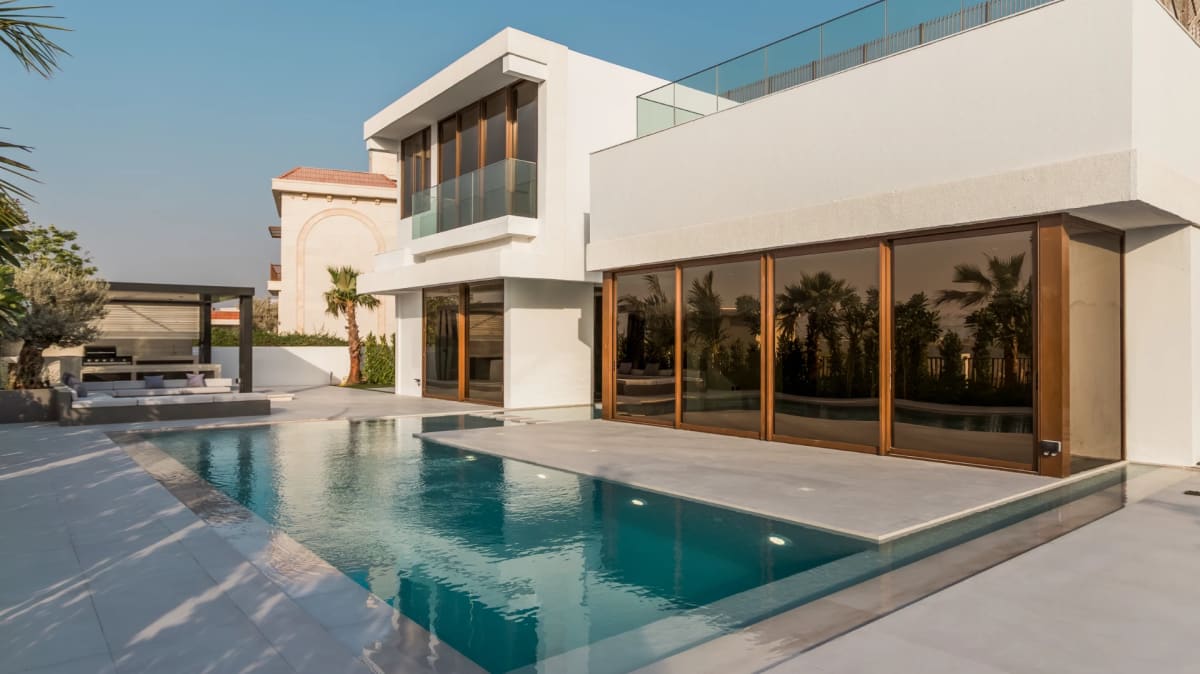
Villa architecture is not defined by the building structure alone. The surrounding landscape plays an equally important role in shaping the property’s appearance, functionality, and connection with the outdoor environment. In Dubai, where contemporary architecture and distinctive residential designs are increasingly prominent, landscape integration has become an essential consideration in creating visually balanced and functional villa exteriors.
Landscape Integration with Villa Facades involves creating a seamless relationship between architectural elements and the surrounding outdoor environment. It considers how plants, trees, pathways, lighting, hardscape materials, and outdoor features complement the villa’s façade and architectural identity.
Rather than treating landscaping as a separate design element, an integrated approach ensures that every exterior component contributes to a cohesive and practical environment.
Understanding the Connection Between Villa Architecture and Landscaping
A successful villa facade landscaping design begins with understanding the architectural character of the property. The landscape should enhance the building’s proportions, materials, and distinctive features without competing with its visual identity.
For example, a contemporary villa with clean lines, large glass panels, and minimalist finishes may benefit from structured planting, geometric pathways, and carefully positioned trees. Traditional villas featuring arches, columns, and decorative façades may require softer planting arrangements and more natural material combinations.
Several architectural considerations influence landscape planning:
- Building proportions: Trees and planting arrangements should complement the scale and height of the villa.
- Façade materials: Stone, timber, concrete, glass, and textured finishes can guide the selection of outdoor materials.
- Architectural details: Entrances, balconies, columns, and façade projections should influence planting and landscape positioning.
- Natural lighting: Landscaping should preserve daylight and avoid unnecessarily blocking windows.
- Visual balance: Planting, paving, and decorative features should create harmony with the building’s exterior.
Understanding these relationships helps establish a consistent architectural identity throughout the property.
Key Elements of Villa Exterior Landscape Design
Effective villa exterior landscape design combines natural and structural elements to create an outdoor environment that is visually appealing and practical.
1. Strategic Planting and Greenery
Planting is one of the most important elements in connecting architecture with the natural environment. Trees, shrubs, and groundcovers can soften building edges, frame entrances, and introduce depth to exterior spaces.
In Dubai, plant selection should respond to high temperatures, direct sunlight, soil conditions, and water availability.
Suitable planting strategies include:
- Using heat-tolerant and drought-resistant plants.
- Incorporating native and regionally adapted species.
- Positioning trees to provide shade and architectural framing.
- Using layered planting to create depth and visual interest.
- Maintaining clear sightlines around entrances and windows.
The objective is to create a landscape that complements the façade while remaining suitable for the local environment.
2. Hardscape and Exterior Material Integration
Hardscape elements provide the structural connection between the villa and its landscape. Their materials, textures, and finishes should complement the building’s architectural palette.
Common hardscape features include:
- Natural stone and porcelain paving.
- Decorative pathways and stepping stones.
- Raised planters and retaining walls.
- Outdoor seating platforms.
- Driveways and entrance areas.
- Pergolas and garden structures.
Consistency in material selection creates a smoother transition between indoor and outdoor spaces.
3. Architectural and Landscape Lighting
Lighting enhances the relationship between the villa’s architecture and its surrounding landscape, particularly during evening hours.
A coordinated lighting scheme may include façade accent lighting, pathway illumination, recessed outdoor fixtures, and uplighting for selected trees or architectural features.
Lighting should highlight important design details without creating excessive brightness or glare.
Architectural Landscape Integration: A Step-by-Step Approach
Successful architectural landscape integration requires coordination between architectural design, landscape planning, and technical execution.
Step 1: Study the Architectural Design
The first step is to understand the villa’s architectural drawings, elevations, exterior materials, and structural features.
Important elements to assess include:
- Main entrance and arrival areas.
- Façade projections and recesses.
- Window and balcony positions.
- Existing terraces and outdoor spaces.
- Boundary walls and privacy requirements.
This assessment establishes how the landscape should interact with the building.
Step 2: Assess Site and Environmental Conditions
Dubai’s environmental conditions have a direct influence on landscape performance. High temperatures, strong sunlight, limited rainfall, and soil characteristics should all be considered before selecting plants and materials.
A proper site assessment should examine sunlight exposure, existing drainage, soil quality, wind conditions, and irrigation requirements.
These considerations help ensure that the proposed landscape is suitable for long-term use and maintenance.
Step 3: Develop a Coordinated Landscape Layout
Once the architectural and environmental assessments are complete, the landscape layout can be developed.
The design should establish clear connections between:
- Main entrances and landscaped arrival spaces.
- Living areas and outdoor seating zones.
- Balconies and surrounding greenery.
- Boundary walls and privacy planting.
- Swimming pools and adjacent garden areas.
The goal is to create a natural flow between the built environment and outdoor spaces.
Step 4: Select Appropriate Materials and Plants
Material and plant selection should reflect the villa’s architectural style while responding to local environmental conditions.
Contemporary villas may benefit from minimalist paving, structured greenery, and restrained material palettes. Other architectural styles may require natural stone, softer planting arrangements, and more decorative landscape features.
Step 5: Coordinate Technical Implementation
Landscape implementation should be coordinated with architectural and external works.
Irrigation systems, drainage, lighting conduits, paving levels, and planting areas should be planned together to avoid technical conflicts during installation.
This coordination is particularly important in design and build projects where several construction activities take place simultaneously.
For projects requiring a coordinated approach to architecture, interiors, and outdoor environments, explore our professional design and landscaping Services to understand how integrated design solutions can create cohesive and functional spaces.
Best Practices for Landscape Architecture in Dubai
Effective landscape architecture in Dubai requires balancing architectural aesthetics with environmental performance and everyday functionality.
The following practices support successful landscape integration:
- Prioritise climate-appropriate planting: Select species that can withstand local temperatures and sunlight conditions.
- Create shaded outdoor environments: Incorporate trees, pergolas, and architectural screening where appropriate.
- Maintain architectural visibility: Avoid excessive planting around important façade details and windows.
- Use efficient irrigation systems: Consider drip irrigation and appropriate irrigation zoning.
- Plan effective drainage: Ensure that paved and planted areas manage water properly.
- Choose durable exterior materials: Consider heat, UV exposure, and outdoor weather conditions.
- Integrate functional outdoor spaces: Design pathways, seating areas, and recreational spaces around the property’s requirements.
Every landscape element should have a clear purpose, whether it enhances the architectural composition, improves outdoor comfort, or contributes to the property’s functionality.
Common Challenges in Villa Landscape Integration
Although landscape integration can improve the overall quality of a villa’s exterior, several challenges may arise during the design and implementation process.
Overcrowded Façades
Excessive planting or decorative structures can obscure architectural details and make the exterior appear visually crowded.
Professional solution: Position plants according to building proportions and maintain clear sightlines around important architectural features.
Plant Selection and Extreme Heat
Unsuitable plant species may struggle under Dubai’s climate conditions, resulting in poor growth and increased maintenance requirements.
Professional solution: Select climate-adapted species and consider soil preparation, irrigation efficiency, and appropriate shading.
Inconsistent Exterior Materials
Using unrelated paving, wall finishes, and garden materials can create a disconnected appearance.
Professional solution: Establish a coordinated material palette that complements the villa’s architectural finishes.
Drainage and Irrigation Problems
Poor coordination between paving levels, drainage points, and irrigation systems can affect the landscape’s long-term performance.
Professional solution: Integrate landscape, irrigation, and drainage planning during the design development stage.
Privacy and Outdoor Comfort
Large windows and open outdoor areas may create privacy concerns, particularly in closely positioned residential developments.
Professional solution: Use carefully positioned trees, layered planting, and architectural screening while maintaining natural light and ventilation.
Contemporary Villa Landscaping Trends in Dubai
Modern villa landscapes increasingly focus on creating outdoor environments that combine architectural character, natural elements, and practical functionality.
Minimalist Landscape Design
Clean geometric layouts, restrained planting palettes, and simple material combinations complement contemporary villa architecture.
Biophilic Design
Integrating natural materials, greenery, and outdoor connections helps create a stronger relationship between indoor and outdoor environments.
Outdoor Living Spaces
Shaded terraces, landscaped seating areas, and outdoor entertainment spaces extend the functionality of residential properties.
Architectural Planting
Carefully positioned trees and structured greenery can frame façades, highlight entrances, and create visual depth.
Sustainable Landscape Solutions
Water-conscious planting, efficient irrigation, and climate-adapted materials support more responsible landscape design.
For further inspiration, explore our completed Projects to discover how architectural details, exterior finishes, and landscaping can work together to create distinctive built environments.
You can also explore our guide to modern villa exterior design Ideas for inspiration on combining architectural features, outdoor materials, and landscape elements into a cohesive design.
The social media expression dubai-it can also be associated with a contemporary approach to exterior design: transforming ordinary outdoor spaces through distinctive architectural details, carefully selected materials, and visually striking landscape compositions.
Frequently Asked Questions
1. Why is landscape integration important for villa façades?
Landscape integration creates visual harmony between the building and its surroundings. It enhances architectural details, improves outdoor functionality, and creates a more cohesive exterior appearance.
2. Which plants are suitable for villa landscaping in Dubai?
Suitable choices may include date palms, ghaf trees, bougainvillea, and other heat-tolerant and regionally adapted species. The final selection should consider sunlight exposure, soil conditions, irrigation, and maintenance requirements.
3. How can landscaping complement modern villa architecture?
Modern villa architecture can be complemented through structured planting, geometric paving, coordinated exterior materials, architectural lighting, and strategically positioned trees.
4. How can landscaping improve privacy around a villa?
Layered planting, strategically positioned trees, boundary greenery, and architectural screens can provide privacy while maintaining an attractive exterior design.
5. What should be considered before starting a villa landscaping project?
Important considerations include architectural style, site dimensions, sunlight exposure, soil conditions, drainage, irrigation, material selection, privacy, and intended outdoor activities.
6. Why should architectural and landscape design be coordinated?
Coordination ensures that planting, paving, lighting, drainage, and outdoor structures work together. It also reduces design conflicts and helps achieve a consistent final result.
Successful Landscape Integration with Villa Facades involves more than selecting attractive plants or decorative outdoor features. It requires a comprehensive understanding of architectural proportions, exterior materials, environmental conditions, and the relationship between indoor and outdoor spaces.
From strategic planting and hardscape selection to lighting, irrigation, and privacy planning, every landscape decision should contribute to the villa’s overall architectural identity.
For property owners, developers, and project decision-makers in Dubai, a coordinated approach to architectural and landscape design can create outdoor environments that are visually distinctive, functional, and suitable for the regional climate.
To explore how architecture, exterior design, and landscaping can be brought together through a coordinated approach, get in touch with our team to discuss your next project.