
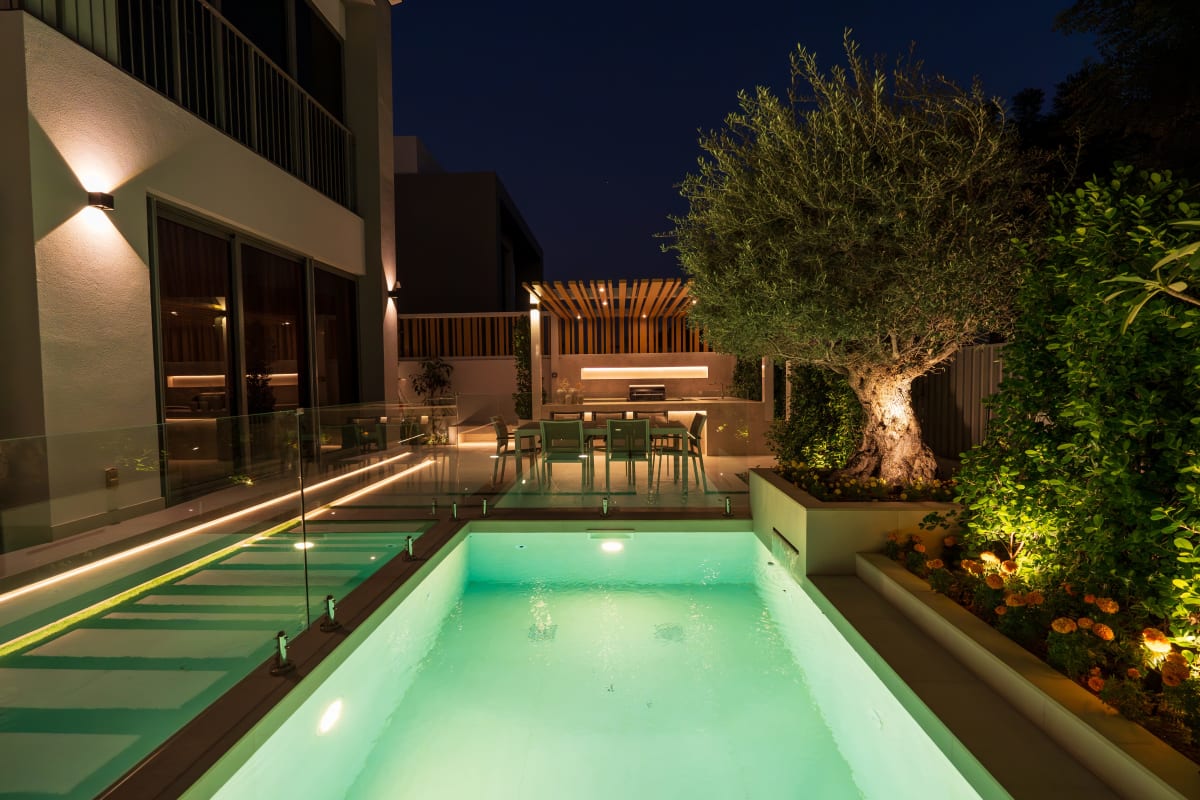
Garden lighting is an essential part of contemporary outdoor design, helping transform landscapes into functional, visually balanced environments after sunset. In Dubai, where luxury villas, residential communities, hospitality destinations, and commercial developments often feature carefully designed outdoor spaces, lighting plays an important role in connecting architecture with the surrounding landscape.
Garden Lighting Design Dubai involves more than placing lights along pathways or illuminating plants. It requires a coordinated approach that considers architectural features, landscape layouts, materials, planting schemes, and the intended use of each outdoor area.
When planned effectively, lighting enhances the appearance of outdoor spaces, improves navigation, highlights architectural details, and creates a comfortable atmosphere for residents and visitors. This guide explores how integrated garden lighting can complement architectural landscape features across the UAE.
Understanding the Relationship Between Garden Lighting and Architecture
Successful outdoor lighting establishes a visual connection between a building and its surrounding landscape. Rather than treating lighting as a separate installation, designers should integrate it into the overall architectural and landscape concept.
Highlighting Architectural Features
Architectural landscape lighting Dubai projects often incorporate lighting to emphasise distinctive building elements, including:
- Stone-clad exterior walls and textured surfaces.
- Decorative columns, arches, and entrance structures.
- Pergolas, canopies, and outdoor seating areas.
- Boundary walls, gates, and entrance pathways.
- Water features and sculptural landscape elements.
The objective is to enhance these features without creating excessive brightness or visual distraction. Carefully positioned lighting can reveal material textures, introduce depth, and establish a balanced relationship between illuminated and shaded surfaces.
Creating Continuity Between Indoor and Outdoor Spaces
In contemporary Dubai villas, large windows, sliding doors, and outdoor entertaining areas often connect interior living spaces with gardens and terraces.
Integrated garden lighting helps maintain this connection after sunset. For example, soft illumination around a terrace, garden pathway, or planted courtyard can create a comfortable transition between indoor and outdoor environments.
Designers should consider how the garden appears from inside the property, not only how it looks when viewed outdoors.
Key Applications of Integrated Garden Lighting
1. Architectural Wall and Facade Lighting
Exterior walls can become prominent landscape features when illuminated appropriately. Wall washing provides relatively even illumination across a surface, while grazing light creates stronger shadows that emphasise texture.
The appropriate technique depends on the wall material, architectural proportions, and desired visual effect.
For example, textured natural stone may benefit from carefully controlled grazing light, while smoother architectural surfaces may require a more even distribution.
Designers should avoid excessive brightness, visible glare, and uneven illumination that detract from the building's appearance.
2. Pathway and Entrance Lighting
Pathways connect entrances, parking areas, terraces, and garden destinations. Their lighting should prioritise visibility and comfortable movement while supporting the overall landscape design.
Effective options include:
- Low-level pathway lights positioned to illuminate walking surfaces.
- Recessed step lights for changes in elevation.
- Subtle lighting integrated into entrance walls.
- Carefully shielded fixtures near garden steps and transitions.
For residential properties, the lighting design should complement the architectural character of the entrance and surrounding planting.
3. Planting and Tree Illumination
Plants introduce softness, colour, and natural structure into architectural landscapes. Lighting can highlight selected trees, ornamental grasses, palms, and planting arrangements while preserving the garden's visual balance.
Uplighting may emphasise a tree's trunk and canopy, whereas lower-level lighting can reveal the form of ornamental planting.
However, every plant should not be illuminated equally. Selective lighting generally creates greater visual depth and avoids turning the entire garden into a uniformly bright space.
Designers should also consider plant growth when positioning fixtures to prevent foliage from blocking the light as the landscape matures.
4. Water Features and Reflective Surfaces
Water features can introduce movement and reflection into outdoor environments. Lighting around fountains, reflecting pools, and decorative water walls can emphasise their form and relationship with surrounding materials.
The lighting approach should account for reflections, viewing angles, and the intended atmosphere. Fixtures used in or near water must be specifically suitable for their installation environment, with appropriate electrical protection and professional installation.
For properties with swimming pools, lighting should be coordinated with pool finishes, surrounding decking, planting, and architectural elements.
5. Pergolas, Canopies, and Outdoor Living Areas
Pergolas and covered terraces frequently serve as outdoor dining, relaxation, and entertainment spaces in Dubai villas.
Integrated lighting can include discreet downlights, concealed linear lighting, and carefully positioned accent fixtures. The aim is to provide practical illumination while maintaining the visual simplicity of the structure.
Lighting should be coordinated with ceiling finishes, support columns, furniture arrangements, and surrounding planting. Glare should be minimised, particularly where people sit, dine, or look towards the garden.
A Step-by-Step Framework for Planning Garden Lighting
A structured planning process helps ensure that the lighting design supports both architectural objectives and everyday use.
Step 1: Assess the Architecture and Landscape
Begin by reviewing the building facade, garden layout, existing planting, pathways, outdoor structures, and principal viewing points.
Identify the features that deserve emphasis and the areas that require functional illumination.
Step 2: Define Lighting Zones
Divide the outdoor environment into practical zones, such as:
- Entrance and arrival areas.
- Pathways and circulation routes.
- Architectural walls and facades.
- Trees and ornamental planting.
- Terraces and outdoor seating areas.
- Water features and decorative focal points.
Zoning helps designers control the relationship between different lighting levels and avoid unnecessary illumination.
Step 3: Select Appropriate Lighting Techniques
Choose lighting techniques according to the intended effect rather than selecting fixtures based solely on appearance.
Consider wall washing, grazing, uplighting, recessed lighting, and concealed linear illumination. Each technique serves a different purpose and should respond to the architecture, landscape materials, and viewing angles.
Step 4: Coordinate Fixtures and Infrastructure
Lighting fixtures should be selected for their intended application and exposure conditions. In Dubai's outdoor environment, heat, dust, humidity, and irrigation can affect equipment performance.
Professional planning should consider:
- Appropriate weather and dust protection.
- Corrosion-resistant materials where required.
- Suitable outdoor-rated electrical components.
- Safe cable routing and accessible maintenance points.
- Compatibility with lighting controls and automation systems.
Electrical installations should comply with applicable local requirements and be undertaken by qualified professionals.
Step 5: Review the Lighting at Night
A night-time review helps identify glare, dark patches, excessive brightness, unwanted shadows, and visual imbalance.
Adjustments may involve changing fixture positions, beam angles, light output, or the relationship between illuminated features.
This final assessment helps ensure that the lighting works as a coordinated composition rather than a collection of unrelated fixtures.
Best Practices for Dubai's Outdoor Environment
Choose Lighting That Responds to the Climate
Outdoor lighting in the UAE must withstand demanding environmental conditions. Fixtures should be selected according to their exposure, installation location, and maintenance requirements.
Use appropriate protective ratings, durable finishes, and components designed for outdoor applications. Particular attention should be given to fixtures installed near irrigation systems, pools, or exposed ground surfaces.
Balance Light and Shadow
Good landscape lighting does not require every area to be brightly illuminated. Contrasts between light and shadow help establish depth, highlight focal points, and preserve a comfortable atmosphere.
Excessive brightness can flatten architectural details and create glare. A layered approach usually produces a more considered result.
Consider Energy Efficiency and Controls
LED lighting can support energy-efficient outdoor lighting strategies when appropriately specified. Dimmers, timers, and automated controls can also help manage illumination according to usage patterns.
For example, pathway lighting may remain active for safe circulation, while selected decorative features can operate at reduced levels during quieter periods.
Controls should be easy to use and compatible with the property's electrical and automation systems.
Protect the Night-Time Environment
Responsible lighting design limits unnecessary upward light, excessive brightness, and light spilling into neighbouring properties.
Shielded fixtures, carefully directed beams, and appropriate output levels help preserve visual comfort while allowing architectural and landscape features to remain visible.
These considerations are particularly important in residential communities where gardens are close to neighbouring villas.
Common Challenges and Professional Solutions
Uneven Illumination
Poor fixture placement can produce bright spots beside dark areas.
Solution: Develop a coordinated lighting layout that considers beam angles, fixture spacing, surface reflectivity, and viewing positions.
Glare from Visible Fixtures
Unshielded lights may distract from architectural details or cause discomfort to people using outdoor spaces.
Solution: Conceal fixtures where practical, use suitable shielding, and direct beams away from eye level and principal seating areas.
Conflicts with Planting and Irrigation
Fixtures may become obscured by growing vegetation or exposed to excessive water.
Solution: Coordinate lighting with planting plans and irrigation layouts, allowing for plant maturity, maintenance access, and appropriate equipment protection.
Disconnected Architectural and Landscape Design
Lighting may appear inconsistent when the building facade, garden, and outdoor structures are designed separately.
Solution: Coordinate the lighting concept with the architectural and landscape design teams from the planning stage.
For property developers and owners managing dubai-it projects, this coordinated approach can help maintain design consistency across outdoor spaces, building elements, and associated infrastructure.
Frequently Asked Questions
1. What is integrated garden lighting?
Integrated garden lighting is a coordinated approach that combines architectural illumination, pathway lighting, planting accents, and outdoor living area lighting within one unified landscape design.
2. Which garden features should be illuminated?
Priority features often include entrances, pathways, textured walls, selected trees, pergolas, water features, and outdoor seating areas. The selection depends on the garden layout, architectural character, and intended use.
3. What type of lighting works best for luxury villas in Dubai?
A layered combination of functional lighting, architectural accents, and subtle planting illumination is often suitable. Fixture selection should reflect the property's design, outdoor exposure, and maintenance requirements.
4. How can garden lighting remain energy-efficient?
LED fixtures, appropriate light output, zoning, dimming, and automated controls can help reduce unnecessary energy consumption while maintaining functional and decorative illumination.
5. How can glare be reduced in landscape lighting?
Designers can use shielded fixtures, suitable beam angles, concealed light sources, and carefully planned positions to reduce direct glare and unwanted reflections.
6. Why should lighting be planned with the landscape design?
Early coordination helps prevent conflicts with planting, irrigation, pathways, architectural materials, and electrical infrastructure. It also creates a more consistent visual relationship between the building and the garden.