
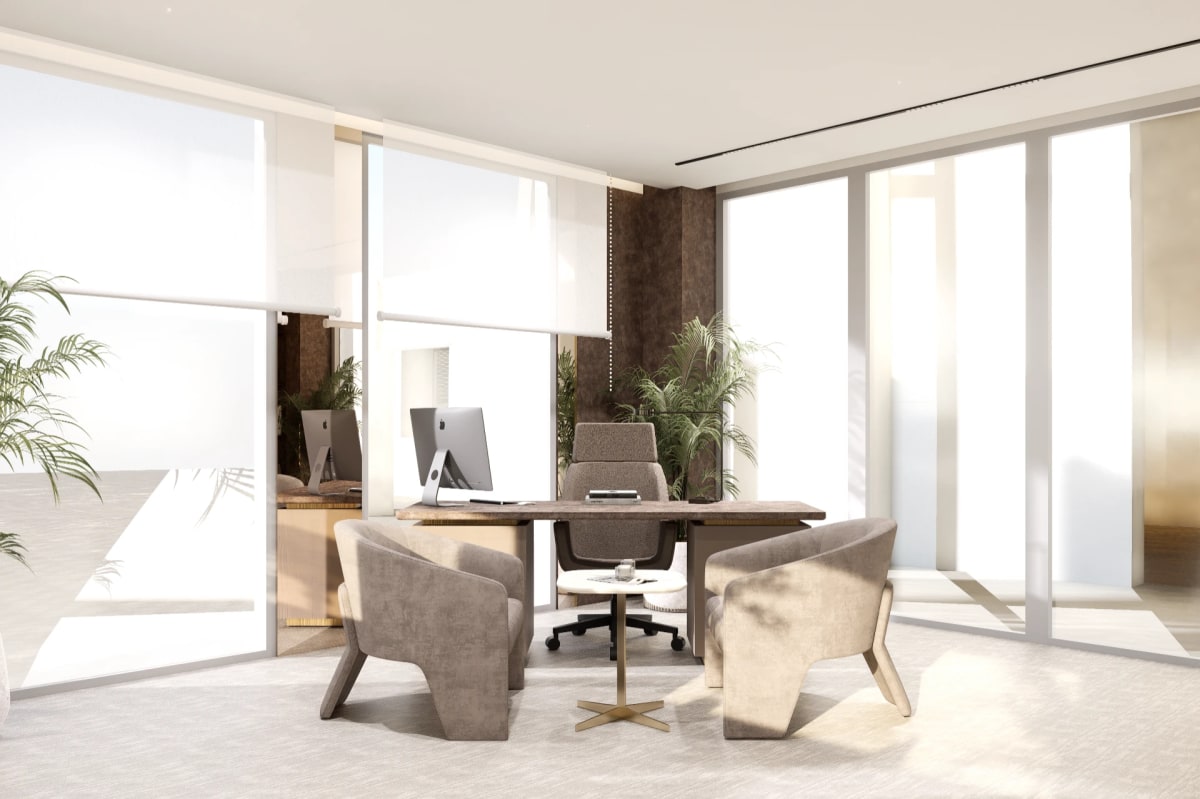
Dubai’s residential design landscape continues to evolve as homeowners seek interiors that combine elegance, comfort, functionality, and personal expression. Contemporary homes are moving beyond traditional decoration approaches toward carefully curated spaces that reflect modern lifestyles, architectural character, and regional influences.
Contemporary interior styling Dubai homes focuses on creating balanced environments where materials, colours, furniture, lighting, and technology work together seamlessly. From luxury villas to modern apartments, this approach prioritises timeless design principles while incorporating current trends suited to Dubai’s unique residential market.
Understanding the latest styling directions helps homeowners and property developers create interiors that feel sophisticated, practical, and aligned with modern expectations.
What Defines Contemporary Interior Styling?
Contemporary interior styling is based on simplicity, functionality, and refined aesthetics. Unlike styles that follow strict historical references, contemporary design continuously adapts to current lifestyles and emerging preferences.
Key characteristics include:
- Clean architectural lines
- Neutral and balanced colour palettes
- High-quality materials
- Functional furniture layouts
- Natural textures
- Integrated lighting solutions
- Personalised decorative elements
The goal is not to create overly minimal spaces but to achieve a sense of harmony where every element serves a purpose.
For additional inspiration, consider linking to modern interior design trends in UAE homes.
The Growth of Modern Home Interior Design in Dubai
Dubai’s residential properties often combine international influences with regional design preferences. This has created demand for interiors that feel globally inspired while remaining suitable for local lifestyles.
Modern home interior design Dubai increasingly focuses on:
- Open-plan living areas
- Flexible multifunctional spaces
- Premium finishes
- Smart technology integration
- Indoor-outdoor connections
Large windows, expansive layouts, and luxury materials are common features in Dubai homes, allowing designers to create visually impressive yet comfortable environments.
Key Residential Interior Styling Trends in Dubai Homes
1. Warm Minimalism
Minimalist interiors are evolving from cold, empty spaces into warmer and more inviting environments.
Modern homeowners are incorporating:
- Natural wood finishes
- Soft fabrics
- Earth-inspired colours
- Textured surfaces
- Layered lighting
This approach creates a refined atmosphere while maintaining simplicity.
2. Natural Materials and Organic Textures
A growing preference for natural elements is shaping Luxury residential interiors UAE.
Popular materials include:
- Stone surfaces
- Marble details
- Timber finishes
- Linen fabrics
- Handmade decorative pieces
These materials add depth and create a stronger connection between indoor spaces and natural surroundings.
3. Bespoke Furniture and Custom Details
Personalisation has become a defining feature of contemporary homes.
Custom elements may include:
- Built-in storage solutions
- Feature walls
- Tailored furniture pieces
- Custom lighting designs
- Unique architectural details
Bespoke styling allows homeowners to create interiors that reflect their preferences while maximising space efficiency.
4. Smart Home Integration
Technology is becoming an important part of modern residential design.
Contemporary homes increasingly incorporate:
- Automated lighting systems
- Climate control solutions
- Motorised curtains
- Integrated entertainment systems
- Smart security features
When technology is carefully integrated, it enhances convenience without disrupting the visual design.
Designing Contemporary Villa Interiors in Dubai
Villas offer unique opportunities for creative interior styling due to their larger spaces and architectural flexibility.
Contemporary villa interior design Dubai projects often focus on creating connections between different living areas.
Important considerations include:
Creating Flow Between Spaces
A successful villa interior should provide smooth transitions between:
- Living rooms
- Dining areas
- Kitchens
- Outdoor terraces
- Private spaces
Consistent materials and colour schemes help create a unified experience.
Balancing Luxury and Comfort
Luxury interiors should remain practical for everyday living.
Effective design balances:
- Statement features
- Comfortable furniture
- Functional layouts
- Durable materials
The best interiors feel sophisticated while remaining welcoming.
For related guidance, link to luxury villa interior design concepts.
Step-by-Step Framework for Styling Contemporary Homes
Step 1: Understand the Space
Begin by analysing:
- Architectural style
- Room dimensions
- Natural lighting
- Existing features
- Lifestyle requirements
This ensures design decisions support the property’s characteristics.
Step 2: Establish a Design Direction
A clear styling concept helps maintain consistency.
Consider:
- Colour palette
- Material selection
- Furniture style
- Decorative approach
- Lighting strategy
A defined direction prevents disconnected design choices.
Step 3: Select Materials and Finishes
Materials influence the overall character of the home.
Important factors include:
- Visual appeal
- Durability
- Maintenance requirements
- Compatibility with the design style
High-quality finishes help create a refined and lasting interior environment.
Step 4: Layer Lighting and Accessories
Lighting and accessories complete the interior experience.
A balanced approach includes:
- Ambient lighting
- Task lighting
- Accent lighting
- Artwork
- Decorative elements
These details add personality without overwhelming the space.
Best Practices for Contemporary Residential Interiors
Prioritise Functionality
Beautiful interiors should also support daily activities. Furniture placement, storage solutions, and circulation paths should be carefully planned.
Maintain Visual Balance
Avoid excessive decoration. Contemporary interiors work best when statement pieces are combined with simple supporting elements.
Consider Long-Term Design Value
Selecting timeless materials and adaptable layouts helps interiors remain relevant as lifestyles change.
Integrate Indoor and Outdoor Living
Dubai’s climate encourages outdoor living, making connections between interiors and terraces, gardens, or balconies increasingly important.
For more ideas, add an internal link to indoor and outdoor living design solutions.
Common Interior Styling Challenges and Solutions
Challenge: Creating Luxury Without Overdesigning
Solution: Focus on quality materials, proportion, and carefully selected statement features rather than excessive decoration.
Challenge: Balancing Personal Style With Contemporary Trends
Solution: Use current trends as inspiration while maintaining a design direction that reflects the homeowner’s personality.
Challenge: Maximising Space in Modern Homes
Solution: Incorporate multifunctional furniture, smart storage, and efficient layouts.
Challenge: Maintaining Consistency Across Multiple Rooms
Solution: Develop a clear material palette and design language throughout the property.
Future Directions in UAE Residential Interior Design
Residential interiors in Dubai continue to move toward personalised, wellness-focused, and technology-enhanced environments.
Emerging trends include:
- Biophilic design elements
- Sustainable materials
- Flexible living spaces
- Wellness-inspired interiors
- Custom architectural features
These trends reflect a shift toward homes that support both lifestyle and wellbeing.
Frequently Asked Questions
What is contemporary interior styling?
Contemporary interior styling focuses on modern, functional, and visually balanced spaces using current design approaches and timeless principles.
What colours are popular in Dubai contemporary homes?
Neutral tones, warm earth colours, and natural shades are commonly used to create elegant and calming interiors.
How does contemporary design differ from modern design?
Contemporary design reflects current trends and evolves over time, while modern design often refers to a specific historical design movement.
Are luxury interiors suitable for everyday family living?
Yes. Well-designed luxury interiors combine aesthetics with practical layouts, durable materials, and comfortable spaces.
How can technology improve residential interiors?
Smart systems can enhance comfort, energy efficiency, security, and convenience when integrated thoughtfully into the design.
What makes a villa interior feel high-end?
Quality materials, customised details, balanced layouts, and professional styling contribute to a sophisticated residential environment.