
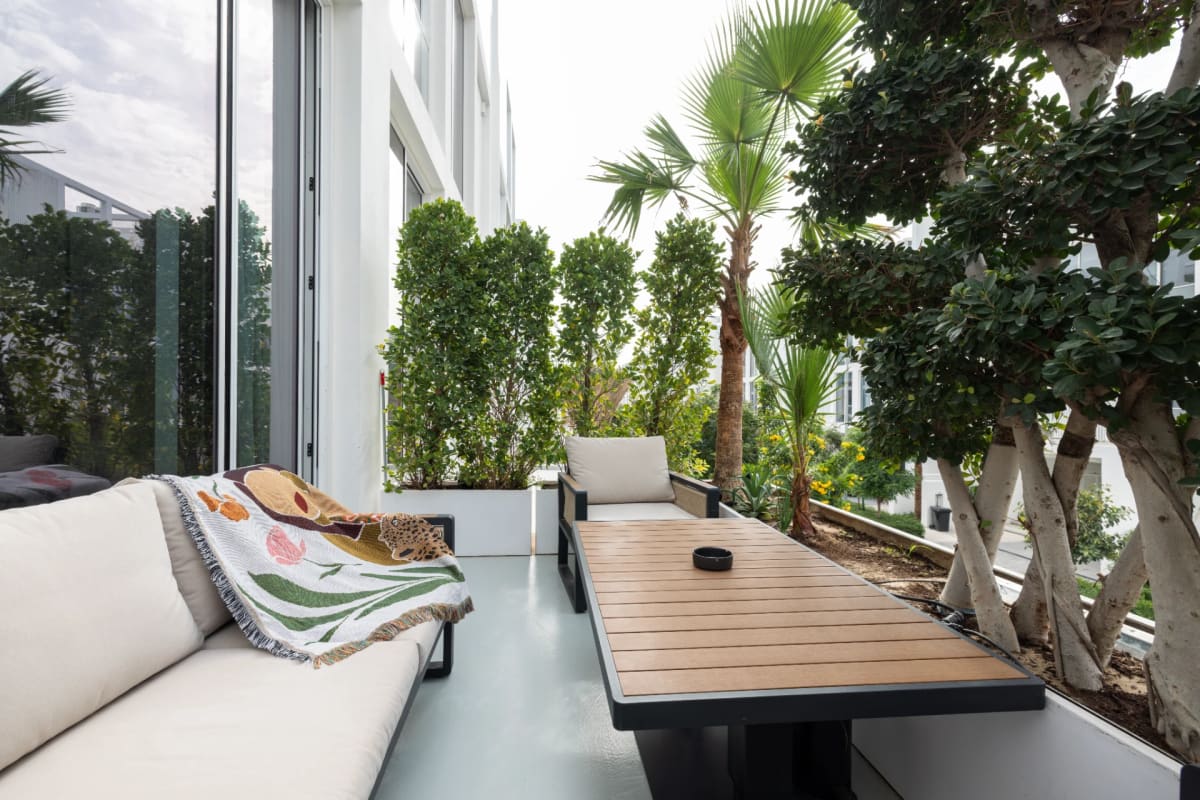
As urban development continues to shape Dubai's architectural landscape, rooftop spaces are becoming valuable extensions of residential and commercial properties. Instead of remaining unused areas, rooftops can be transformed into functional outdoor environments that support relaxation, social interaction, and sustainable landscaping.
Rooftop Garden Design Dubai requires a careful balance between aesthetics, functionality, structural considerations, and environmental performance. From private villa terraces to landscaped rooftops in commercial developments, successful designs must respond to the UAE's climate while creating comfortable and visually appealing outdoor spaces.
A well-planned rooftop garden can improve the usability of a building, introduce natural elements into urban environments, and provide an additional space for residents, employees, and visitors.
Understanding Rooftop Landscaping UAE
Rooftop Landscaping UAE involves designing outdoor environments on building roofs using carefully selected plants, hardscape materials, irrigation systems, and functional features.
Unlike traditional gardens, rooftop landscapes operate within specific structural and environmental limitations. Weight restrictions, wind exposure, direct sunlight, drainage, and waterproofing must all be considered before selecting landscaping elements.
Rooftop gardens can serve several purposes:
- Private relaxation areas for residential properties.
- Outdoor entertainment spaces for villas and apartments.
- Green breakout areas for commercial buildings.
- Shared recreational spaces for residential developments.
- Landscaped terraces for hospitality and mixed-use properties.
The design should begin with an understanding of how the space will be used rather than focusing exclusively on decorative planting.
Key Considerations for Rooftop Garden Design Dubai
Creating a successful rooftop landscape requires coordination between architectural design, structural engineering, and landscaping specialists.
1. Structural Capacity and Load Management
Structural assessment is one of the most important stages of rooftop garden planning. Buildings are designed to accommodate specific loads, and introducing soil, planters, paving, furniture, and water features can increase the weight placed on the roof.
Professional planning should consider:
- Existing structural load capacity.
- Weight of growing media and planting systems.
- Water retention within landscaping layers.
- Weight of outdoor furniture and decorative features.
- Distribution of loads across the rooftop.
- Access requirements for maintenance.
Lightweight growing media and appropriately specified planters can help manage loading requirements. However, all structural decisions should be reviewed and approved by qualified professionals.
2. Waterproofing and Drainage
Waterproofing protects the building structure from moisture penetration and potential damage. It should be addressed before landscaping materials and planting systems are installed.
An effective rooftop garden typically requires:
- A suitable waterproofing membrane.
- Root-resistant protection where required.
- Drainage layers beneath planting areas.
- Properly positioned roof outlets.
- Inspection access for drainage systems.
- Appropriate falls to prevent standing water.
Drainage is particularly important in the UAE, where occasional heavy rainfall can create water accumulation if rooftop systems are not properly designed.
3. Climate-Appropriate Plant Selection
Dubai's climate presents specific challenges for rooftop planting, including intense sunlight, high temperatures, wind exposure, and limited natural shade.
Sustainable Rooftop Garden Design should prioritise plant species that can tolerate local environmental conditions while maintaining an attractive appearance.
Suitable planting considerations include:
- Drought-tolerant shrubs and groundcovers.
- Native and regionally adapted plant species.
- Heat-resistant ornamental grasses.
- Selected palms and architectural plants.
- Succulents for appropriate growing environments.
- Plants with manageable irrigation requirements.
Plant selection should also consider mature size, root behaviour, maintenance needs, and exposure to rooftop wind conditions.
Residential Rooftop Garden Design
Residential Rooftop Garden Design focuses on creating private outdoor spaces that complement the lifestyle and architectural character of a home.
For villas, penthouses, and apartment residences, rooftops can provide additional areas for relaxation, family gatherings, and outdoor dining.
Designing Functional Residential Zones
A well-organised residential rooftop can incorporate several distinct areas:
- Lounge areas: Comfortable seating for relaxation and informal gatherings.
- Outdoor dining: Dedicated spaces for meals and entertaining.
- Green planting zones: Planters and landscaped beds that introduce natural textures.
- Shaded seating: Pergolas, canopies, and other suitable shading structures.
- Decorative features: Carefully selected lighting, water features, and architectural details.
Separating these zones through planting, flooring transitions, and furniture placement helps create a cohesive outdoor environment.
Privacy and Comfort
Privacy is an important consideration for residential rooftops, particularly in closely developed neighbourhoods.
Suitable solutions include vertical planting, screening panels, pergolas, and carefully positioned planters. These features can provide visual separation while maintaining airflow and natural light.
Commercial Rooftop Landscaping Dubai
Commercial Rooftop Landscaping Dubai involves transforming building rooftops into functional outdoor environments for employees, visitors, tenants, and customers.
Office buildings, hotels, mixed-use developments, and commercial properties can benefit from landscaped rooftop areas that introduce opportunities for outdoor interaction and relaxation.
Creating Productive and Social Environments
Commercial rooftop gardens can include:
- Outdoor employee breakout areas.
- Landscaped seating zones.
- Informal meeting spaces.
- Hospitality terraces.
- Shared recreational environments.
- Green spaces for visitors and tenants.
Furniture, circulation routes, lighting, and planting should be coordinated to accommodate different users while maintaining accessibility and safety.
Commercial rooftops may also require additional considerations, including fire access, emergency routes, appropriate guardrails, accessibility provisions, and building management requirements.
Modern Roof Terrace Design UAE
Modern Roof Terrace Design UAE combines contemporary architectural features with functional landscaping to create visually cohesive outdoor spaces.
The design should complement the building's architecture through carefully selected materials, colours, textures, and planting arrangements.
Popular design elements include:
- Natural stone and porcelain paving.
- Timber-effect outdoor decking.
- Minimalist planter arrangements.
- Integrated outdoor lighting.
- Contemporary pergolas and shading structures.
- Built-in seating and outdoor furniture.
- Subtle water features and decorative elements.
Material selection should account for heat exposure, UV resistance, moisture, slip resistance, and long-term maintenance. Outdoor finishes should also remain comfortable and suitable for the intended use.
Sustainable Rooftop Garden Design and Irrigation
Sustainability is an important consideration when developing rooftop landscapes in the UAE. Water-efficient planting and appropriate irrigation strategies can help reduce unnecessary resource consumption.
Efficient Irrigation Systems
Drip irrigation is commonly considered for rooftop planting because it delivers water directly to the root zone and can reduce unnecessary water loss.
A suitable irrigation strategy should consider:
- Plant water requirements.
- Soil and growing media characteristics.
- Sun and wind exposure.
- Irrigation zoning.
- Automated irrigation controls.
- Regular system inspection.
Improving Environmental Performance
Additional sustainable design strategies include:
- Selecting locally adapted plant species.
- Using suitable recycled or responsibly sourced materials.
- Incorporating shaded outdoor areas.
- Reducing unnecessary hardscape surfaces.
- Selecting efficient outdoor lighting.
- Considering green roof systems where structurally appropriate.
These strategies can contribute to more environmentally responsive buildings while improving the usability of outdoor spaces.
Step-by-Step Rooftop Garden Planning Framework
A structured planning process helps ensure that rooftop gardens are technically appropriate and visually consistent.
- Site assessment: Review the rooftop dimensions, access points, sunlight, wind exposure, and existing building conditions.
- Structural evaluation: Obtain professional assessment of load capacity and proposed landscaping elements.
- Concept development: Establish the intended use, design direction, planting style, and functional zones.
- Technical coordination: Address waterproofing, drainage, irrigation, electrical requirements, and safety provisions.
- Material and plant selection: Choose suitable finishes, planters, and climate-adapted planting.
- Implementation and maintenance planning: Coordinate installation requirements and establish an appropriate landscape maintenance strategy.
This process helps avoid technical conflicts and ensures that design decisions support the building's operational requirements.
Common Rooftop Landscaping Challenges and Solutions
| Common challenge | Professional solution |
|---|---|
| Excessive heat exposure | Introduce shading structures and heat-tolerant planting. |
| Strong rooftop winds | Select wind-resistant plants and secure lightweight elements appropriately. |
| Water leakage | Specify suitable waterproofing and root protection systems. |
| Poor drainage | Coordinate drainage layers, outlets, and roof falls. |
| Structural limitations | Use professionally approved lightweight landscaping systems. |
| High irrigation demand | Introduce efficient irrigation and suitable plant selection. |
| Limited privacy | Incorporate screening, vertical planting, and strategically positioned planters. |
For projects in dubai-it developments and other urban locations, early coordination between landscape designers, architects, structural engineers, and building services specialists is particularly important.
Frequently Asked Questions
1. What is rooftop garden design?
Rooftop garden design involves transforming building roofs into landscaped outdoor spaces using suitable planting, paving, planters, irrigation, lighting, and functional features.
2. Which plants are suitable for rooftop gardens in Dubai?
Drought-tolerant, heat-resistant, and regionally adapted plants are generally suitable. Final selection depends on sunlight, wind exposure, growing conditions, and irrigation requirements.
3. Can rooftop gardens be created on commercial buildings?
Yes. Commercial rooftops can accommodate landscaped breakout areas, outdoor seating, recreational spaces, and hospitality terraces, provided structural and safety requirements are addressed.
4. Why is waterproofing important for rooftop landscaping?
Waterproofing protects the building from moisture penetration. It should be properly coordinated with drainage, root protection, and planting systems before landscaping installation.
5. How can rooftop gardens reduce water consumption?
Water-efficient planting, drip irrigation, automated controls, and appropriate growing media can help manage irrigation requirements and reduce unnecessary water use.
6. What should be considered before developing a rooftop garden?
Important considerations include structural capacity, waterproofing, drainage, wind exposure, sunlight, accessibility, plant selection, irrigation, and maintenance requirements.