
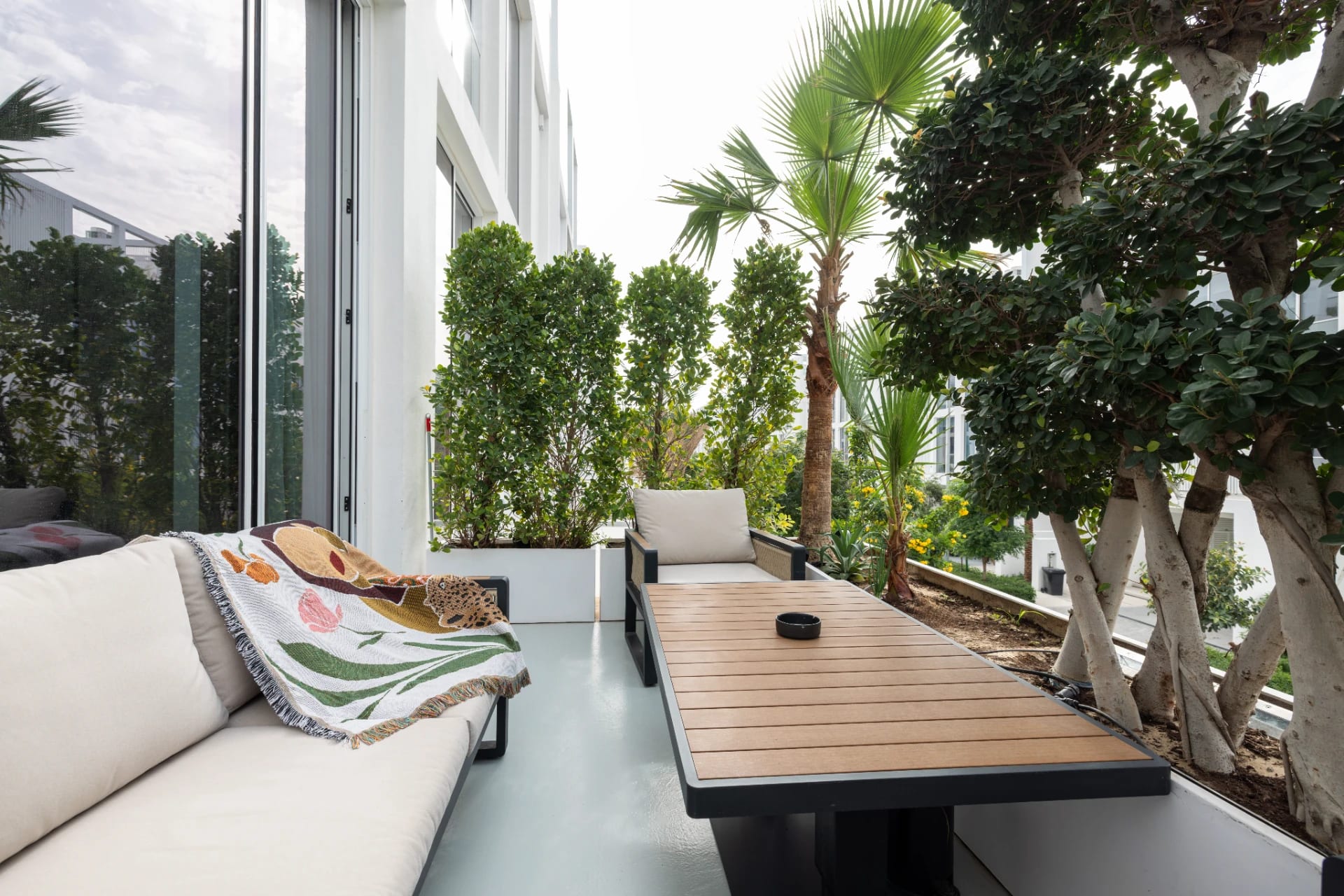
Luxury outdoor environments are no longer defined solely by expansive lawns or decorative flower beds. Today, Luxury Landscape Planting Design UAE emphasizes sculptural forms, architectural greenery, and carefully curated plant compositions that complement modern villas, commercial developments, and hospitality spaces. By combining artistic planting with functional landscape planning, property owners can create outdoor environments that are visually striking while remaining practical for the UAE's climate.
Whether designing a contemporary villa in Dubai or an executive residence in Abu Dhabi, sculptural planting transforms gardens into elegant living spaces where architecture and nature work together. In recent years, many designers have even begun to dubai-it by integrating bold planting arrangements that reflect the city's modern design identity without compromising sustainability.
What Is Sculptural Planting Design?
Sculptural planting is the art of arranging plants based on their form, texture, structure, and visual impact rather than relying primarily on colorful flowers. The goal is to create outdoor spaces where every plant acts as a design element.
Unlike traditional landscaping that often emphasizes seasonal blooms, sculptural planting focuses on:
- Architectural silhouettes
- Layered planting compositions
- Evergreen structure
- Contrasting textures
- Balanced proportions
- Visual rhythm throughout the landscape
This approach is particularly suitable for the UAE, where long-lasting evergreen species provide year-round appeal with lower maintenance requirements.
Why Sculptural Planting Works Well in the UAE
The UAE's climate requires landscapes that remain attractive despite intense sunlight and limited rainfall. Choosing plants with sculptural qualities naturally supports this objective.
Benefits include:
- Greater visual interest throughout the year
- Improved compatibility with modern architecture
- Reduced dependence on seasonal flowering plants
- Better integration with hardscape materials
- Easier long-term maintenance
- Enhanced curb appeal for luxury developments
When combined with Luxury villa landscape design UAE principles, sculptural planting creates timeless outdoor environments that retain their elegance for years.
Core Principles of Sculptural Landscape Design
1. Begin with Architectural Forms
The strongest landscapes mirror the architecture they surround.
Modern villas often feature:
- Clean lines
- Minimalist geometry
- Large glass facades
- Natural stone finishes
The planting design should reinforce these characteristics instead of competing with them.
Examples include:
- Upright specimen trees
- Symmetrical planting arrangements
- Linear planting beds
- Structured evergreen shrubs
These Architectural planting ideas create harmony between built structures and outdoor spaces.
2. Prioritize Plant Structure Over Flowers
Flowers may only bloom during certain seasons, while structural plants provide year-round impact.
Popular sculptural plants include:
- Olive trees
- Date palms
- Agave
- Aloe species
- Desert roses
- Cycads
- Yucca
- Frangipani
These plants become living sculptures that maintain visual appeal regardless of season.
3. Layer Heights Carefully
Professional planting rarely places everything at one level.
Instead, designers use multiple layers:
Background Layer
- Tall palms
- Feature trees
- Vertical planting
Middle Layer
- Sculptural shrubs
- Ornamental grasses
- Medium-sized accent plants
Foreground Layer
- Groundcovers
- Decorative succulents
- Low architectural species
Layering creates depth and visual movement throughout the landscape.
4. Use Negative Space
Luxury landscapes are rarely overcrowded.
Allowing open areas between planting groups helps highlight each specimen and creates a calm, sophisticated appearance.
Negative space also:
- Improves circulation
- Enhances sightlines
- Makes gardens appear larger
- Highlights premium materials
Selecting Plants for Sculptural Landscapes
Choosing suitable species requires balancing aesthetics with environmental performance.
Ideal characteristics include:
- Heat tolerance
- Drought resistance
- Strong structural form
- Low maintenance
- Long lifespan
Examples include:
Feature Trees
- Olive trees
- Ghaf trees
- Frangipani
- Date palms
Sculptural Succulents
- Agave
- Aloe
- Euphorbia
- Yucca
Structural Shrubs
- Boxwood
- Podocarpus
- Murraya
- Viburnum
Ornamental Grasses
- Fountain grass
- Mexican feather grass
- Blue fescue
These species contribute to Modern landscape planting design while performing well in UAE conditions.
Designing Around Outdoor Living Spaces
Planting should support how people experience the landscape.
Consider surrounding:
- Outdoor lounges
- Dining areas
- Swimming pools
- Courtyards
- Garden pathways
- Entry features
Rather than placing plants randomly, each grouping should frame a destination or enhance a particular view.
Creating Statement Entrances
The entrance often establishes the property's first impression.
Strong entrance planting typically includes:
- Symmetrical trees
- Bold specimen plants
- Decorative paving
- Accent lighting
- Architectural containers
These Statement plant arrangements for villas communicate elegance immediately upon arrival.
Balancing Hardscape and Softscape
Exceptional landscape design depends on balance.
Hardscape includes:
- Stone
- Concrete
- Timber
- Water features
- Pergolas
- Steps
Softscape includes:
- Trees
- Shrubs
- Groundcovers
- Flowers
- Lawn
A balanced composition prevents either element from dominating the overall design.
Incorporating Texture and Contrast
Texture plays a major role in sculptural landscapes.
Combining different leaf sizes and forms creates subtle visual interest.
Examples include:
| Fine Texture | Bold Texture |
|---|---|
| Ornamental grasses | Agave |
| Lavender | Elephant ear |
| Small shrubs | Fan palms |
| Ferns | Aloe |
Contrast adds sophistication without relying on excessive color.
Using Lighting to Highlight Sculptural Planting
Lighting extends the landscape's beauty into the evening.
Effective techniques include:
- Uplighting specimen trees
- Grazing textured trunks
- Spotlighting feature plants
- Path lighting
- Integrated planter lighting
Proper illumination reveals plant forms and enhances outdoor usability.
Sustainability in Luxury Planting Design
Modern luxury increasingly embraces sustainability.
Best practices include:
- Native and climate-adapted plants
- Efficient irrigation systems
- Mulching to retain moisture
- Soil improvement
- Smart irrigation controls
- Reduced lawn areas
These approaches help maintain elegant landscapes while conserving resources.
Common Challenges and Professional Solutions
Challenge 1: Overcrowded Planting
Solution
Select fewer, higher-impact plants and allow sufficient spacing for mature growth.
Challenge 2: Poor Plant Selection
Solution
Choose species proven to perform in UAE conditions rather than selecting plants solely for appearance.
Challenge 3: Lack of Seasonal Structure
Solution
Use evergreen structural plants as the framework, supplemented by seasonal accents.
Challenge 4: Disconnected Design
Solution
Ensure planting reflects the architectural style, material palette, and intended outdoor lifestyle.
Challenge 5: Maintenance Difficulties
Solution
Group plants with similar water and maintenance needs to simplify long-term care.
Best Practices for Luxury Sculptural Landscapes
To achieve lasting success:
- Design around architecture first
- Prioritize structural plants
- Limit plant variety while maximizing visual impact
- Create focal points using specimen plants
- Balance open space with planting density
- Integrate lighting from the beginning
- Consider long-term growth patterns
- Select climate-appropriate species
- Maintain consistent design language throughout the property
Frequently Asked Questions
1. What is sculptural planting in landscape design?
Sculptural planting focuses on the shape, structure, and architectural qualities of plants to create visually impactful outdoor environments.
2. Which plants work best for luxury UAE landscapes?
Heat-tolerant species such as olive trees, palms, agave, aloe, yucca, cycads, and Ghaf trees are popular choices because they provide year-round structure and thrive in the local climate.
3. Is sculptural planting suitable for modern villas?
Yes. Its clean forms and minimalist compositions complement contemporary architecture while enhancing outdoor living spaces.
4. Does sculptural planting require high maintenance?
Not necessarily. Selecting climate-appropriate plants and designing with proper spacing can reduce ongoing maintenance requirements.
5. How does lighting improve sculptural landscapes?
Landscape lighting emphasizes plant shapes, textures, and focal points, creating a dramatic appearance after sunset while improving functionality.
6. Can sculptural planting be incorporated into commercial landscapes?
Absolutely. Hotels, office developments, retail destinations, and corporate campuses often use sculptural planting to create memorable entrances and premium outdoor experiences.