
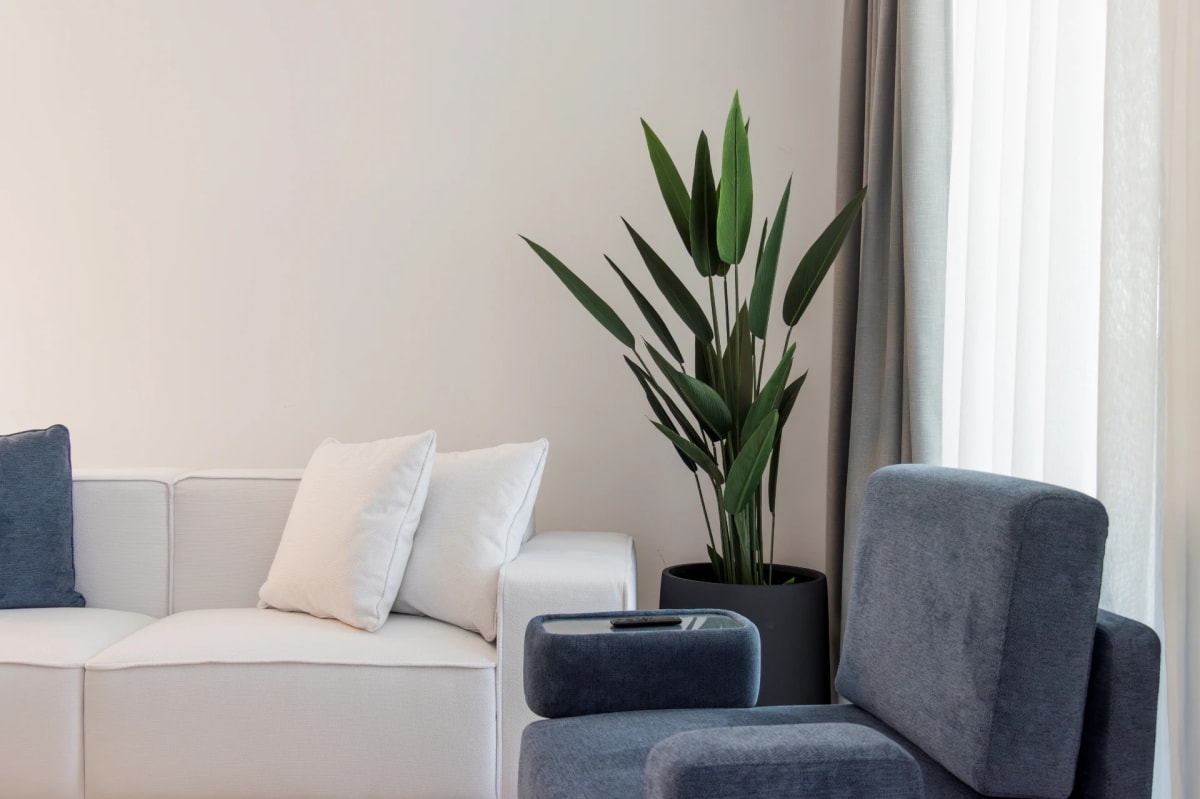
Dubai’s luxury villa interiors are evolving beyond traditional concepts of opulence and decoration. Today, homeowners, developers, and design professionals are increasingly looking for spaces that combine sophistication with comfort, natural elements, and a stronger connection to the surrounding environment.
Biophilic interior design Dubai projects respond to this shift by bringing nature into the built environment through natural materials, greenery, daylight, organic forms, and carefully considered indoor-outdoor connections. For luxury villas, the approach can create interiors that feel refined while remaining warm, functional, and connected to the landscape.
Explore our complete range of interior design and fit-out services for luxury villas in Dubai.
What Is Biophilic Interior Design?
Biophilic interior design is an approach that incorporates natural elements and characteristics into interior spaces. Rather than treating nature as a decorative feature, it considers how people experience light, materials, greenery, views, textures, and spatial connections.
In a luxury villa, this can mean designing a living space around a garden view, introducing a mature indoor tree into a double-height entrance, using natural stone throughout key areas, or creating a visual connection between an interior lounge and an outdoor terrace.
The result does not need to look rustic or overly organic. Biophilic principles can be incorporated into contemporary, minimalist, classic, or highly luxurious interiors.
Why Biophilic Design Works for Luxury Villas in Dubai?
Dubai provides a distinctive environment for residential design. Large villas often feature generous floor areas, expansive glazing, landscaped gardens, terraces, courtyards, and swimming pools.
These characteristics create opportunities to connect the interior and exterior environments.
However, the local climate also requires careful planning. High temperatures, intense sunlight, dust, and maintenance requirements can affect the selection of materials, planting, glazing, shading, and outdoor-to-indoor transitions.
For this reason, biophilic design for luxury villas should be approached as an integrated design strategy rather than simply adding plants to finished interiors.
Key Biophilic Villa Design Ideas
1. Maximise Natural Daylight
Natural light is one of the most effective ways to introduce a sense of nature into a villa.
Large windows, skylights, clerestory glazing, internal courtyards, and strategically positioned openings can help distribute daylight throughout the property.
In Dubai, however, more glazing does not automatically mean better design. Excessive solar exposure can increase heat and glare.
A considered approach should balance daylight with:
- Solar shading
- Appropriate glazing
- Curtains and blinds
- Orientation
- Interior finishes
- Artificial lighting
The objective is controlled, comfortable daylight that enhances the character of the interior.
2. Strengthen Indoor-Outdoor Connections
One of the most effective biophilic villa design ideas is to create a seamless relationship between interior living areas and external spaces.
A living room may open directly onto a shaded terrace, while a dining area can overlook a landscaped courtyard. Consistent materials, large openings, carefully planned circulation, and complementary planting can make these areas feel visually connected.
For larger properties, interior and landscape planning should be coordinated from the beginning.
Discover how our latest projects bring together luxury interiors, natural materials, and seamless indoor-outdoor spaces.
This approach is particularly valuable when developing a cohesive villa environment where architecture, interior fit-out, and landscaping contribute to one design language.
3. Introduce Natural Materials
Natural materials are central to natural interior design for villas, particularly when the objective is to create a sophisticated but welcoming atmosphere.
Depending on the overall concept, designers may use:
- Natural stone
- Travertine
- Limestone
- Timber
- Textured plaster
- Natural fabrics
- Woven finishes
- Tactile wall treatments
The key is restraint. A luxury interior does not need a large number of different materials. A carefully selected palette can create depth and character while maintaining a clean and sophisticated appearance.
Material choices should also consider durability, cleaning, humidity, maintenance, and compatibility with the villa’s architecture.
4. Integrate Greenery into the Architecture
Plants are perhaps the most recognisable element of biophilic design, but their use should be intentional.
Instead of placing decorative pots throughout a room, greenery can become part of the architectural composition.
Possible applications include:
- Built-in planters
- Internal courtyards
- Feature trees
- Green walls
- Planters integrated into partitions
- Double-height planting
- Indoor-outdoor garden transitions
Plant selection is equally important. Light availability, irrigation, maintenance access, humidity, and the expected growth of each species should be considered before installation.
Creating a Balanced Luxury Aesthetic
Biophilic interiors should not feel like botanical spaces simply because they contain plants and natural materials.
Luxury comes from balance, proportion, detailing, and material quality.
For example, a contemporary villa could combine warm timber with large-format stone, subtle greenery, sculptural furniture, and carefully integrated lighting. Another property might use softer textures, organic curves, and landscaped courtyards to create a more relaxed atmosphere.
The design should reflect the architecture and lifestyle of the property rather than following a fixed formula.
A Practical Framework for Planning Biophilic Interiors
A structured process can help ensure that natural elements are integrated effectively.
Step 1: Analyse the Existing Property
Review the villa’s orientation, architectural layout, windows, views, courtyards, gardens, terraces, and circulation patterns.
Step 2: Identify Natural Opportunities
Determine where daylight, greenery, natural materials, water, or outdoor views can have the greatest impact.
Step 3: Establish a Material Palette
Select complementary materials for flooring, walls, ceilings, joinery, furniture, and architectural features.
Step 4: Coordinate Interior and Landscape Design
Ensure that planting, external finishes, garden views, terraces, and interior materials work together rather than being designed independently.
Step 5: Consider Long-Term Performance
Review cleaning, maintenance, irrigation, plant health, material durability, lighting, and environmental conditions before finalising the design.
This framework allows the biophilic concept to become part of the villa’s overall design instead of appearing as an addition at the end of the project.
Common Challenges in Biophilic Villa Design
Managing Dubai’s Climate
Strong sunlight and high temperatures can influence glazing, materials, planting, and outdoor areas.
Professional solutions may include solar control, shading, carefully selected materials, and appropriate landscape planning.
Maintaining Indoor Greenery
Indoor plants require suitable light, irrigation, drainage, and maintenance. Greenery should therefore be selected according to the actual conditions of each space.
Avoiding Visual Overload
Combining too many natural materials, colours, patterns, and plants can make a space feel busy.
A restrained palette and repetition of selected materials often create a more sophisticated result.
Connecting Interior and Landscape Design
When interior design and landscaping are planned separately, the transition between the two can feel disconnected.
Early coordination can help align flooring, planting, views, lighting, architectural openings, and outdoor living areas.
Biophilic Interior Design Trends to Consider in 2026
The strongest contemporary applications of biophilic design are increasingly architectural rather than purely decorative.
Luxury villas can incorporate:
- Internal landscaped courtyards
- Feature trees in double-height spaces
- Natural stone and timber combinations
- Organic architectural forms
- Integrated planting
- Large framed garden views
- Indoor-outdoor entertaining areas
- Nature-inspired textures
- Layered lighting that complements natural daylight
Explore more biophilic design ideas for creating sophisticated interiors inspired by nature.
The most successful approach is not to follow every design trend. Instead, the focus should be on creating a coherent environment where natural elements support the architecture, lifestyle, and character of the villa.
Frequently Asked Questions
What is biophilic interior design?
Biophilic interior design incorporates elements associated with nature into built environments. These can include natural light, plants, natural materials, organic forms, textures, views, and connections to outdoor spaces.
Is biophilic design suitable for luxury villas?
Yes. Biophilic principles can complement luxury interiors through carefully selected natural materials, integrated greenery, sophisticated lighting, and strong relationships between interior and exterior spaces.
How can biophilic design be applied to a Dubai villa?
The process can begin with an assessment of daylight, views, landscaping, courtyards, glazing, and circulation. These elements can then inform material selection, planting, spatial planning, and indoor-outdoor connections.
Does biophilic design require indoor plants?
No. Plants are only one aspect of biophilic design. Natural materials, daylight, views, textures, organic shapes, water, and connections with outdoor spaces can also contribute significantly.
What natural materials are suitable for luxury villa interiors?
Natural stone, timber, limestone, travertine, textured plaster, and natural fabrics can all work well. Their suitability depends on the design concept, location, maintenance requirements, and performance characteristics.
Should landscaping and interior design be planned together?
Ideally, yes. Coordinating both disciplines can create stronger visual connections between gardens, terraces, interior spaces, materials, views, and architectural elements.
Bringing Biophilic Design into a Luxury Dubai Villa
The most successful biophilic interiors are not defined by the number of plants or natural materials they contain. Instead, they are defined by how effectively architecture, interior design, landscaping, daylight, materials, and outdoor spaces work together.
For luxury villas in Dubai, this integrated approach can create environments that feel contemporary and sophisticated while maintaining a meaningful connection with nature.
Whether planning a new villa, renovating an existing property, or developing a complete design-and-build concept, understanding the relationship between the interior and its surrounding environment is an important starting point. Exploring specialist luxury villa interior design services can help translate these principles into a cohesive and practical design direction.