
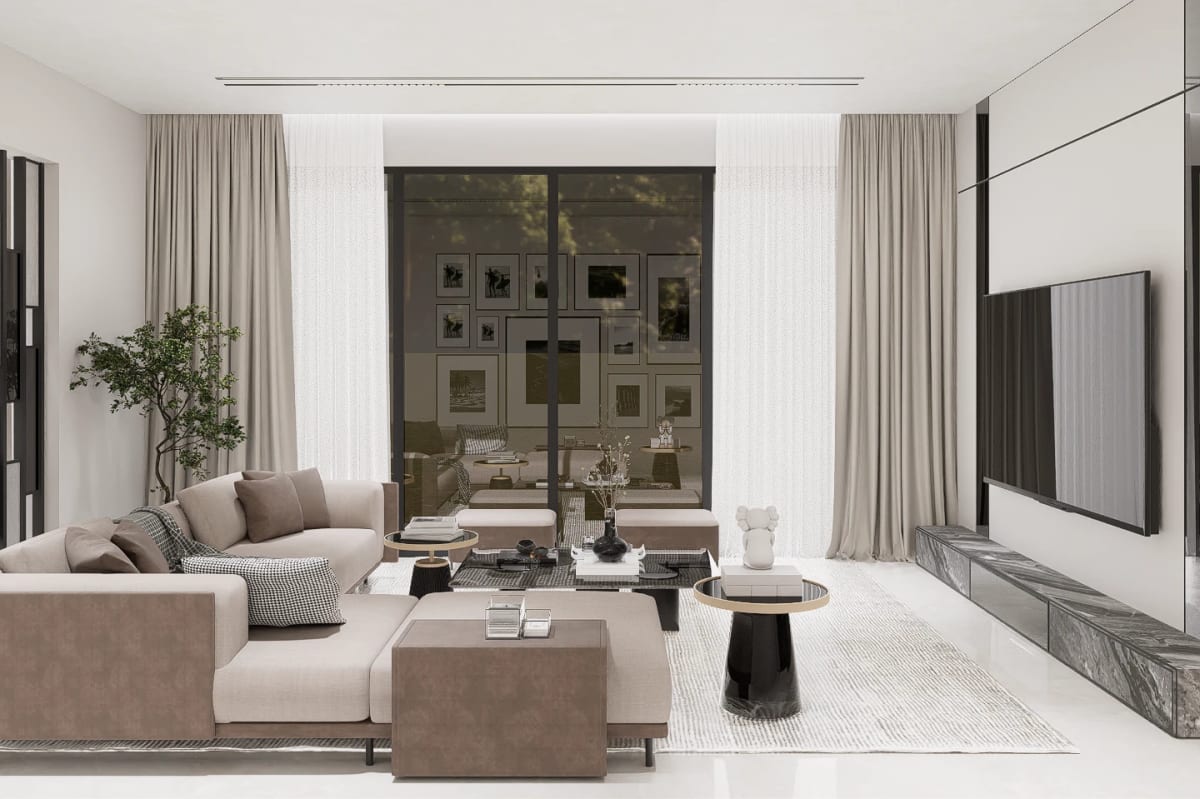
In today’s competitive business environment, client-facing workspaces have become an extension of a company’s identity. From reception areas to meeting lounges and collaborative zones, every detail influences how customers, investors, and partners perceive a brand. Businesses across the UAE are increasingly investing in commercial interior design Dubai strategies that combine functionality, aesthetics, and brand storytelling to create stronger first impressions.
Modern commercial environments are no longer designed solely for employees. They must also support client engagement, showcase professionalism, and reflect the company’s market position. In Dubai and Abu Dhabi, where international business standards are high, thoughtfully designed interiors can play a critical role in customer confidence and long-term business relationships.
Why Client-Facing Workspace Design Matters
A client-facing workspace serves multiple purposes beyond daily operations. It creates a visual representation of the business while improving visitor experience and internal workflow efficiency.
Well-designed spaces can help businesses:
- Build credibility and trust
- Reinforce brand identity
- Improve visitor comfort and navigation
- Encourage productive meetings and collaboration
- Support employee performance and morale
In sectors such as corporate services, real estate, hospitality, healthcare, finance, and technology, the workspace often becomes part of the client journey itself.
Businesses looking to align their interiors with evolving workplace expectations often explore modern workplace interior trends UAE to better understand current design standards and user expectations.
Core Principles of Commercial Interior Design in Dubai
Brand-Driven Design
One of the most important elements of workspace branding interior design is consistency between the physical environment and the company’s brand identity.
This includes:
- Brand colors integrated subtly into finishes and furniture
- Customized signage and wayfinding systems
- Material selections that reflect company values
- Spatial layouts that support brand personality
For example:
- A financial consultancy may prioritize sophistication, privacy, and premium finishes
- A creative agency may adopt open collaboration zones and vibrant textures
- A luxury retail office may emphasize elegance and experiential design
Brand-driven interiors create memorable experiences while strengthening market positioning.
Functional Space Planning
Effective client-facing workspace design UAE requires careful planning of circulation, accessibility, and user interaction.
A successful layout typically includes:
- Welcoming reception areas
- Comfortable waiting lounges
- Private meeting rooms
- Collaborative discussion spaces
- Efficient staff workstations
- Seamless visitor navigation
In Dubai’s commercial market, many businesses operate within high-rise towers and mixed-use developments where maximizing usable space is essential. Smart planning helps maintain a professional atmosphere without overcrowding the workplace.
Companies considering workplace optimization often connect this topic with commercial space planning strategies to improve long-term operational efficiency.
Reception and Lobby Design as a First Impression Tool
Creating Memorable Entry Experiences
The reception area is often the first physical interaction a visitor has with a business. Modern reception and lobby design Dubai approaches focus on balancing hospitality, professionalism, and brand identity.
Key design features may include:
- Statement reception desks
- Integrated lighting concepts
- Natural materials and textures
- Digital directories or display walls
- Comfortable visitor seating
- Acoustic treatment for privacy
Many UAE businesses are also integrating hospitality-inspired elements into office lobbies to create warmer and more welcoming environments.
Balancing Luxury and Practicality
Dubai’s commercial market often favors premium finishes and polished aesthetics. However, durability and maintenance remain equally important.
Professional designers commonly select:
- High-performance flooring materials
- Easy-maintenance surfaces
- Energy-efficient lighting systems
- Durable upholstery suitable for heavy use
This balance ensures that spaces remain visually appealing while supporting long-term functionality.
Modern Commercial Interiors in the UAE
Flexible Workspace Design
The rise of hybrid work models has influenced modern commercial interiors UAE across many industries.
Flexible commercial spaces may include:
- Multi-purpose meeting rooms
- Adaptable furniture systems
- Modular partitions
- Informal collaboration zones
- Quiet focus areas
This flexibility allows businesses to accommodate changing operational requirements while improving user experience for both staff and visitors.
Technology Integration
Technology is now central to commercial interior planning in the UAE.
Common integrations include:
- Smart booking systems
- Digital presentation walls
- Automated lighting and climate control
- Video conferencing infrastructure
- Wireless collaboration tools
Technology integration should remain seamless and discreet to maintain a refined interior environment.
Businesses upgrading existing offices often benefit from exploring smart office fit-out solutions before beginning a redesign process.
Office Fit-Out Approaches for Commercial Spaces
Design and Build Coordination
An effective office fit-out for commercial spaces Dubai project requires close coordination between designers, engineers, contractors, and operational teams.
A design-and-build approach can help:
- Maintain consistency between concept and execution
- Reduce coordination challenges
- Improve communication across project stages
- Ensure technical compliance with UAE regulations
This integrated process is particularly important in Dubai’s fast-paced commercial sector, where workspace quality and functionality directly affect business operations.
Material Selection for High-Traffic Environments
Client-facing spaces experience continuous daily use. Material selection should therefore prioritize both aesthetics and performance.
Popular commercial materials in UAE interiors include:
- Porcelain and natural stone flooring
- Acoustic ceiling systems
- Powder-coated metal finishes
- Tempered glass partitions
- Sustainable wood alternatives
Environmental performance is also becoming increasingly important as businesses pursue greener workplace strategies.
Common Challenges in Client-Facing Workspace Design
Balancing Privacy and Openness
Many commercial businesses need spaces that feel open and collaborative while still maintaining confidentiality.
Professional solutions include:
- Acoustic glass meeting rooms
- Zoned layouts
- Sound-absorbing materials
- Strategic furniture placement
This is especially important for sectors handling sensitive client information.
Reflecting Brand Identity Without Overdesign
Overly themed interiors can quickly become outdated or distracting. The most successful commercial interiors use branding strategically and subtly.
Professional designers often achieve this through:
- Material palettes aligned with brand identity
- Controlled use of accent colors
- Minimal but impactful graphics
- Consistent visual language across spaces
Adapting to Future Growth
Businesses in Dubai frequently expand, restructure, or evolve their operational models. Commercial interiors should therefore support adaptability.
Future-ready workspace strategies may include:
- Modular furniture systems
- Scalable meeting infrastructure
- Flexible partitions
- Expandable collaborative zones
Forward-thinking planning reduces disruption when future changes occur.
Best Practices for Commercial Interior Design Projects
Prioritize User Experience
Both clients and employees should feel comfortable navigating and using the workspace.
This includes:
- Clear circulation paths
- Comfortable environmental conditions
- Accessible layouts
- Intuitive wayfinding systems
Focus on Lighting Design
Lighting significantly influences mood, productivity, and visual perception.
Successful commercial interiors often combine:
- Natural daylight optimization
- Layered ambient lighting
- Accent lighting for focal points
- Task lighting in work zones
Integrate Sustainability
Sustainable commercial interiors are becoming increasingly important in the UAE market.
Common sustainable strategies include:
- Energy-efficient systems
- Low-VOC materials
- Water-saving fixtures
- Recycled or locally sourced materials
Organizations seeking environmentally responsible spaces often research sustainable office interior solutions UAE as part of their planning process.
The Role of Interior Design in Business Perception
Commercial interiors directly affect how clients interpret a company’s professionalism, reliability, and attention to detail.
An outdated or poorly organized workspace may unintentionally weaken client confidence, while a well-designed environment can strengthen brand reputation and improve business interactions.
In Dubai’s competitive commercial landscape, thoughtful design is increasingly viewed as a strategic business investment rather than purely an aesthetic consideration.
Frequently Asked Questions
What is client-facing workspace design?
Client-facing workspace design focuses on areas where customers, partners, and visitors interact with a business, including reception areas, meeting rooms, lounges, and collaborative spaces.
Why is commercial interior design important in Dubai?
Dubai’s competitive business environment places strong emphasis on professionalism, brand presentation, and customer experience, making commercial interiors an important part of business positioning.
What features define modern commercial interiors in the UAE?
Modern commercial interiors often include flexible layouts, integrated technology, sustainable materials, collaborative spaces, and hospitality-inspired design elements.
How does branding influence office interior design?
Branding shapes material choices, color palettes, signage, furniture selection, and overall spatial experience to ensure consistency between the workspace and company identity.
What are the key priorities in reception and lobby design?
Reception areas should create positive first impressions while supporting comfort, navigation, functionality, and brand representation.
How can businesses future-proof commercial workspaces?
Future-ready interiors use adaptable layouts, modular furniture, scalable infrastructure, and flexible collaboration spaces to accommodate operational changes over time.