
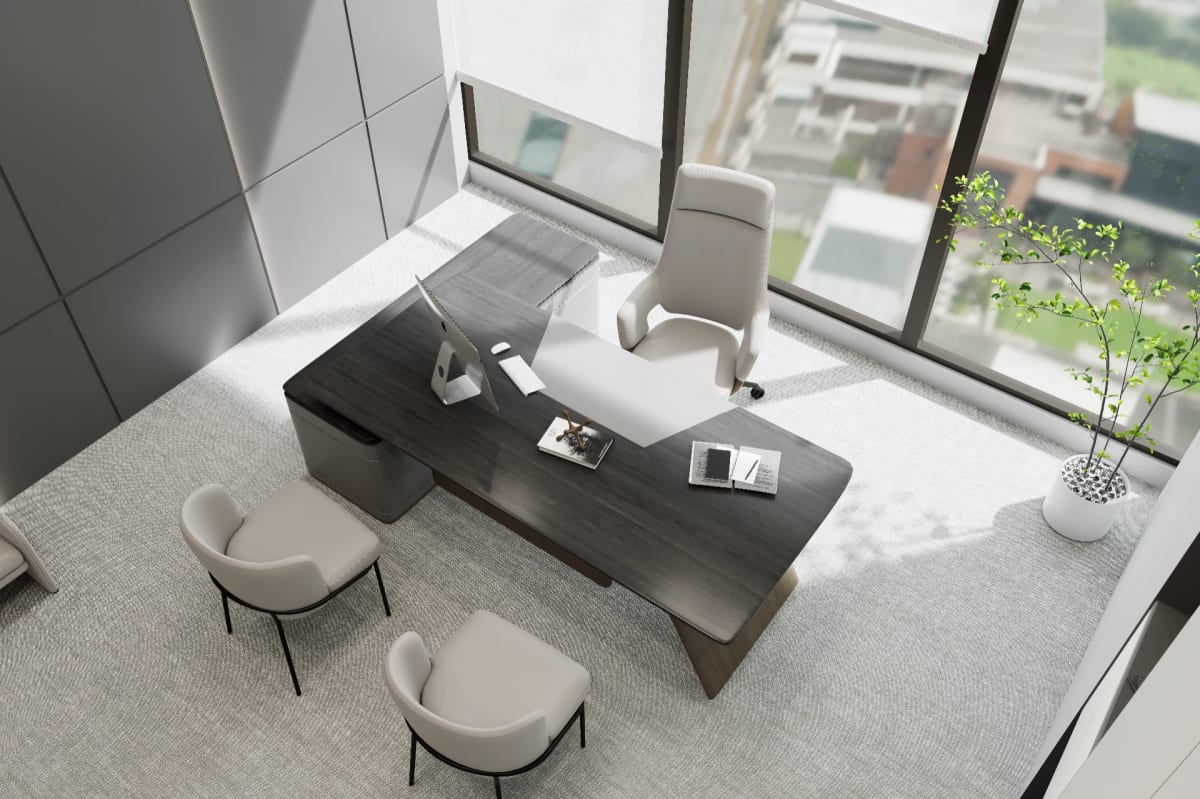
Employee well-being has become a defining factor in workplace success across Dubai and Abu Dhabi. As businesses compete for talent and seek to improve productivity, the office environment is playing a more strategic role than ever before. In 2026, organizations are increasingly investing in office design for employee well-being to create workplaces that support health, collaboration, engagement, and overall performance.
The modern workplace is no longer simply a location where employees complete tasks. It is an environment that influences how people think, interact, and perform throughout the day. From workspace planning and lighting to wellness amenities and flexible layouts, office design has become a powerful tool for improving employee experience.
Why Employee Well-Being Matters in Workplace Design?
Workplace well-being encompasses physical, mental, and emotional health. Employees spend a significant portion of their day within office environments, making workplace conditions a critical factor in overall job satisfaction.
Organizations that prioritize employee wellness in workplace design often experience stronger employee engagement, improved morale, and higher levels of workplace satisfaction. In competitive business hubs such as Dubai, creating a healthy and supportive work environment has become a key differentiator for employers.
A well-designed office can contribute to:
- Better employee focus
- Reduced workplace stress
- Increased collaboration
- Improved retention rates
- Higher levels of productivity
- Stronger organizational culture
As businesses continue to evolve, many are adopting modern workplace design trends for UAE businesses that place employee well-being at the center of workplace planning.
The Rise of Human-Centric Office Design
Traditional office layouts often focused on maximizing occupancy and operational efficiency. Today’s workplaces take a different approach through human-centric office design, which prioritizes the needs and experiences of employees.
Human-centric workplaces are designed around how people actually work rather than how organizations expect them to work. This approach considers comfort, flexibility, accessibility, wellness, and collaboration when planning office environments.
Key characteristics of human-centric office design include:
- Flexible workspaces
- Ergonomic furniture
- Natural lighting
- Wellness-focused amenities
- Collaboration areas
- Quiet zones for focused work
By creating environments that support different working styles, organizations can help employees perform at their best while improving overall workplace satisfaction.
Key Elements of Office Design for Employee Well-Being
Natural Light and Workplace Health
Access to natural light is one of the most important factors influencing employee well-being.
Natural daylight can help:
- Improve mood
- Increase energy levels
- Support concentration
- Reduce eye strain
- Create a more comfortable working environment
Modern office developments throughout the UAE increasingly prioritize open layouts and glazing systems that maximize daylight penetration across workspaces.
Ergonomic Workstations
Physical comfort remains essential for employee health and performance.
An ergonomic workplace should provide:
- Adjustable seating
- Proper desk configurations
- Appropriate monitor positioning
- Comfortable meeting spaces
- Flexible workstation options
These features help reduce physical strain while supporting long-term employee wellness.
Biophilic Design Integration
Biophilic design connects employees with nature through thoughtful design interventions.
Common examples include:
- Indoor planting
- Green walls
- Natural materials
- Outdoor breakout spaces
- Nature-inspired design elements
Many organizations implementing sustainable office design and workplace wellness initiatives are incorporating biophilic principles to create healthier and more engaging work environments.
Flexible Space Planning
Employees rarely perform a single type of task throughout the day. Modern workplaces must accommodate various activities, including focused work, team collaboration, informal discussions, and private meetings.
Providing a mix of workspace options allows employees to select environments that best support their current tasks and working preferences.
Workplace Well-Being Strategies Dubai Businesses Are Adopting
As workplace expectations continue to evolve, companies are implementing new strategies to support employee wellness.
Wellness Rooms and Recharge Spaces
Dedicated wellness areas provide employees with opportunities to step away from their desks and recharge during the workday.
These spaces may include:
- Meditation rooms
- Prayer rooms
- Quiet zones
- Wellness lounges
Such facilities support mental well-being while encouraging healthier workplace habits.
Improved Indoor Air Quality
Air quality directly affects employee comfort and performance.
Organizations are investing in:
- Advanced ventilation systems
- Air filtration technologies
- Low-emission materials
- Enhanced building management systems
These measures help create healthier indoor environments that support employee wellness.
Acoustic Comfort
Noise remains one of the most common workplace challenges.
Effective acoustic solutions include:
- Sound-absorbing materials
- Acoustic partitions
- Enclosed meeting rooms
- Dedicated quiet work areas
By reducing distractions, organizations can improve focus and overall workplace experience.
The Connection Between Office Design and Productivity
The relationship between workplace design and business performance is becoming increasingly evident. Studies and workplace assessments consistently show that employee experience has a direct impact on productivity.
Organizations focused on employee productivity through workspace planning often achieve better outcomes by aligning workplace environments with employee needs.
Improved Focus
Dedicated focus zones help employees complete complex tasks with fewer interruptions.
Better Collaboration
Purpose-built collaboration spaces encourage communication, creativity, and knowledge sharing among teams.
Increased Engagement
Employees who feel comfortable and supported by their workplace environment are more likely to remain engaged and motivated.
Enhanced Workplace Satisfaction
An attractive and functional workplace contributes to a more positive employee experience and stronger organizational culture.
Common Challenges and Professional Solutions
Balancing Collaboration and Privacy
Open offices encourage interaction but can also create distractions.
Solution: Develop activity-based work environments that include both collaborative zones and quiet focus areas.
Adapting to Hybrid Work Models
Many organizations continue to support flexible working arrangements.
Solution: Design adaptable workplaces that accommodate varying occupancy levels and changing work patterns.
Space Limitations
Office space constraints can affect functionality and employee comfort.
Solution: Utilize multi-purpose areas, flexible furniture systems, and efficient space planning strategies.
Employee Adoption
Workplace changes can sometimes be met with resistance.
Solution: Engage employees throughout the design process and incorporate their feedback into workplace planning decisions.
Many organizations seeking workplace transformation support work with specialists in interior design solutions for corporate offices to ensure employee needs are effectively addressed throughout the design process.
A Framework for Designing Well-Being-Focused Workplaces
Step 1: Assess Employee Needs
Gather insights through surveys, interviews, and workplace utilization studies.
Step 2: Define Workplace Objectives
Identify goals related to productivity, collaboration, wellness, and employee experience.
Step 3: Develop Design Strategies
Align layouts, furniture, technology, and amenities with organizational objectives.
Step 4: Integrate Wellness Features
Incorporate ergonomic solutions, biophilic elements, wellness rooms, and healthy environmental systems.
Step 5: Measure Performance
Regularly review workplace effectiveness and make improvements based on employee feedback and business needs.
Organizations undertaking commercial office fit-out services in Dubai increasingly use this structured approach to create workplaces that support both employee well-being and operational success.
Best Practices for Workplace Well-Being in 2026
To maximize the impact of workplace design, organizations should:
- Prioritize employee experience from the beginning of the project
- Create flexible and adaptable workspaces
- Maximize natural light wherever possible
- Invest in ergonomic furniture and equipment
- Incorporate wellness-focused amenities
- Support multiple work styles
- Integrate sustainability principles into workplace planning
- Continuously evaluate workplace performance
These practices help create environments that support long-term employee well-being and organizational growth.
Frequently Asked Questions
What is office design for employee well-being?
It is the process of designing workplaces that support employee health, comfort, productivity, and overall workplace experience.
Why is employee well-being important in office design?
Employee well-being influences engagement, performance, retention, and workplace satisfaction, making it a critical consideration for modern organizations.
What is human-centric office design?
Human-centric office design focuses on creating environments that prioritize employee needs, comfort, and work styles.
How does office design affect productivity?
A well-designed workplace can improve focus, reduce distractions, encourage collaboration, and create a more positive work environment.
What role does biophilic design play in employee wellness?
Biophilic design introduces natural elements into workplaces, helping reduce stress and improve employee well-being.
What workplace trends are shaping UAE offices in 2026?
Key trends include flexible workspaces, wellness-focused amenities, sustainable design practices, and employee-centered workplace strategies.
The future of workplace design in the UAE is increasingly focused on people rather than simply space. Businesses that invest in office design for employee well-being are creating environments that support healthier, more engaged, and more productive teams.
By adopting employee wellness in workplace design, implementing effective workplace well-being strategies Dubai organizations value, and embracing human-centric office design, companies can build workplaces that contribute positively to both employee experience and long-term business performance.
For organizations planning future workplace transformations, understanding the relationship between office design and employee well-being is an important step toward creating a more resilient and successful workplace.