
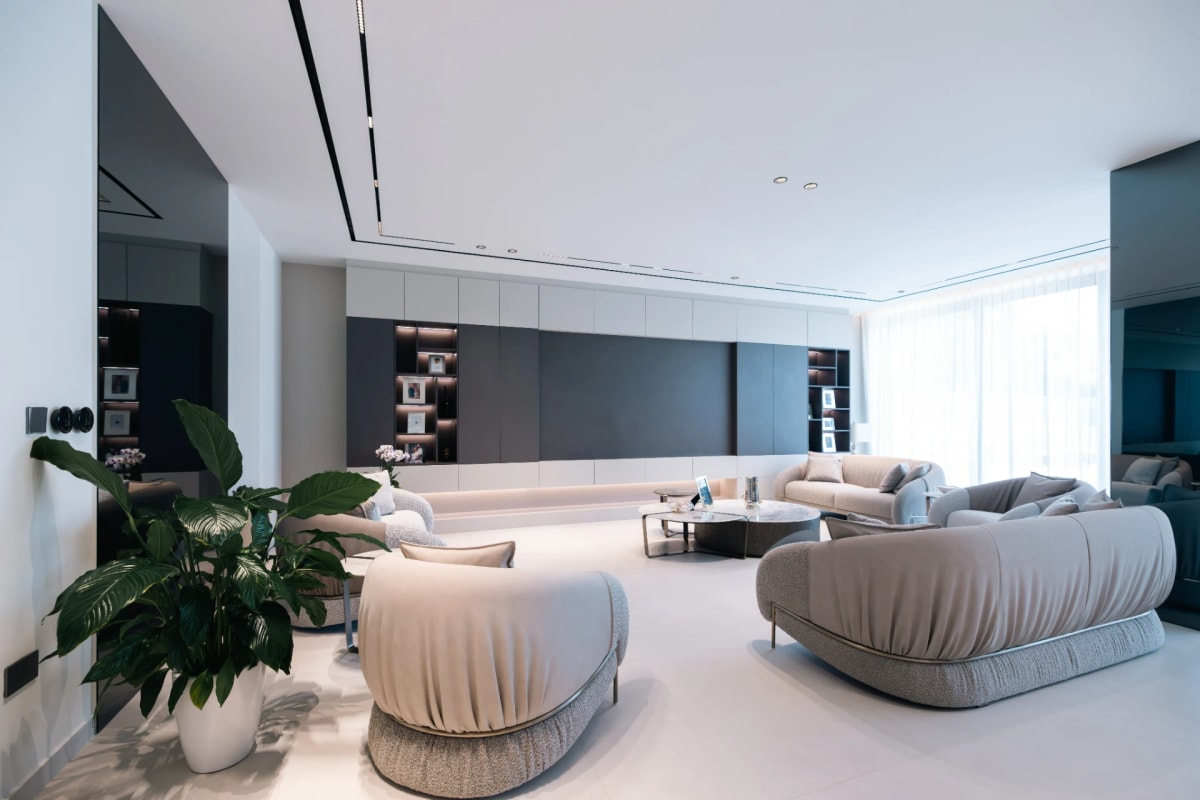
Designing a high-end villa in the UAE requires more than aesthetic vision—it demands strategic spatial thinking. Interior layout planning for villas is a critical phase that defines how a home functions, flows, and ultimately enhances daily living. In cities like Dubai and Abu Dhabi, where architecture reflects both luxury and lifestyle, layout planning must balance cultural preferences, climate considerations, and modern design principles.
Understanding Interior Layout Planning
Interior layout planning is the process of organizing internal spaces to achieve functionality, efficiency, and visual harmony. For modern villas, this involves aligning architectural structure with interior use—ensuring each zone serves a clear purpose while contributing to an overall cohesive design.
In the UAE context, villas often include multiple living and majlis areas, indoor-outdoor transitions, staff quarters, and clearly defined private versus guest zones. These elements must be carefully planned to avoid conflict between spaces and ensure smooth daily use.
Key Principles of Modern Villa Layout Planning
1. Zoning for Functionality and Privacy
Zoning is foundational in modern villa interior design UAE projects. It separates spaces based on use and privacy levels:
• Public zones: Majlis, formal living, dining areas
• Semi-private zones: Family lounges, kitchens
• Private zones: Bedrooms, walk-in closets
• Service zones: Kitchens, storage, staff areas
In many Abu Dhabi luxury villa layouts, zoning plays a critical role in maintaining privacy while still allowing for hospitality and social interaction.
2. Flow and Circulation
A well-planned villa ensures smooth movement between spaces without disruption. Poor circulation can lead to underutilized or awkward areas.
Best practices include:
• Direct access between related spaces (e.g., kitchen → dining)
• Minimizing unnecessary corridors
• Creating visual continuity between rooms
Understanding circulation is essential when applying space planning strategies for high-end residences within large-scale villas.
3. Open vs. Defined Spaces
Modern villas in Dubai increasingly favor open-plan layouts, but balance is key.
• Open layouts enhance spaciousness and natural light
• Defined spaces provide privacy and acoustic control
Successful Dubai villa space planning strategies often combine both approaches, using subtle transitions like partitions, ceiling treatments, or material changes instead of full walls.
4. Natural Light and Orientation
Given the UAE’s climate, managing sunlight is essential.
Layout planning should:
• Maximize daylight in living areas
• Reduce heat gain through orientation and shading
• Position key spaces to benefit from natural light
This not only improves comfort but also enhances the spatial experience of the villa.
5. Integration with Outdoor Spaces
Modern villas increasingly blur the line between indoors and outdoors. Layout planning should align interior living areas with external features such as terraces, gardens, and pools to create continuity.
A strong connection between indoor and outdoor zones becomes more effective when considered alongside landscaping integration for villas during the early planning stages.
Step-by-Step Approach to Villa Layout Planning
Step 1: Define Client Lifestyle Requirements
Understanding how the villa will be used is critical. Consider family size, daily routines, entertaining needs, and cultural expectations. This stage ensures the layout is tailored rather than generic.
Step 2: Develop Functional Adjacencies
Determine which spaces need to connect or remain separate.
Examples:
• Kitchen near dining and service access
• Bedrooms positioned away from noisy areas
• Guest areas accessible without crossing private zones
This step is central to effective villa floor plan optimization UAE, ensuring logical relationships between spaces.
Step 3: Allocate Space Proportions
Not all rooms require equal emphasis. Prioritize larger living areas for social interaction, efficient bedroom layouts, and practical service zones. Over-allocating space to rarely used rooms can reduce overall efficiency.
Step 4: Refine Circulation Paths
Map out how occupants will move through the villa, including entry sequences, vertical circulation, and access to outdoor areas. Efficient movement enhances usability and spatial clarity.
Step 5: Coordinate with Interior Fit-Out
Layout planning must align with execution. Early coordination ensures furniture placement, lighting, and technical systems all support the intended layout. This is where villa interior fit-out services in UAE become essential to translate planning into reality.
Common Challenges in Villa Layout Planning
Overcomplicated Floor Plans
Large villas can lead to unnecessary complexity, with too many rooms or transitions reducing usability.
Solution: Focus on essential functions and simplify spatial relationships.
Poor Space Utilization
Unused corners, oversized corridors, or awkward layouts reduce efficiency.
Solution: Apply villa floor plan optimization UAE principles to ensure every area serves a purpose.
Lack of Cohesion Between Design and Architecture
When layout planning is disconnected from architectural intent, spaces feel disjointed.
Solution: Integrate layout planning early within a complete design and build solutions approach to ensure alignment.
Ignoring Cultural and Lifestyle Needs
Generic layouts may not reflect how villas are actually used in the UAE.
Solution: Customize zoning, entrances, and circulation to suit local living patterns and expectations.
Weak Indoor-Outdoor Connection
Disconnected outdoor spaces reduce the villa’s usability and experience.
Solution: Plan indoor layouts alongside external areas from the beginning.
Best Practices for Modern Villa Layouts
• Prioritize function before aesthetics
• Design for flexibility and future adaptability
• Maintain clear zoning and hierarchy of spaces
• Integrate smart systems early in the design
• Ensure consistency across all levels
Applying insights from a modern luxury villa design guide can help reinforce these best practices across projects.
FAQ: Interior Layout Planning for Villas
1. What is the most important factor in villa layout planning?
Functionality and flow are essential. A successful layout supports everyday living while maintaining comfort and efficiency.
2. How does layout planning differ between Dubai and Abu Dhabi?
While both prioritize luxury, Abu Dhabi luxury villa layouts often emphasize stronger separation between public and private areas.
3. Should villas always have open-plan layouts?
Not necessarily. A hybrid approach that balances openness with defined zones typically works best.
4. When should layout planning start in a project?
It should begin at the earliest design stage to ensure alignment with architecture and avoid redesign later.
5. How can layout planning improve property value?
Efficient layouts enhance usability, making properties more attractive to buyers and occupants.
6. What role does interior fit-out play in layout planning?
It ensures the planned layout is executed correctly, maintaining the intended functionality and design quality.
Interior layout planning for villas is a strategic process that defines how a home operates and feels. In Dubai and Abu Dhabi, where expectations for modern living are high, careful planning ensures that every space is purposeful, efficient, and aligned with lifestyle needs.
By focusing on zoning, circulation, natural light, and integration with outdoor areas, villas can achieve both functional excellence and refined living standards