
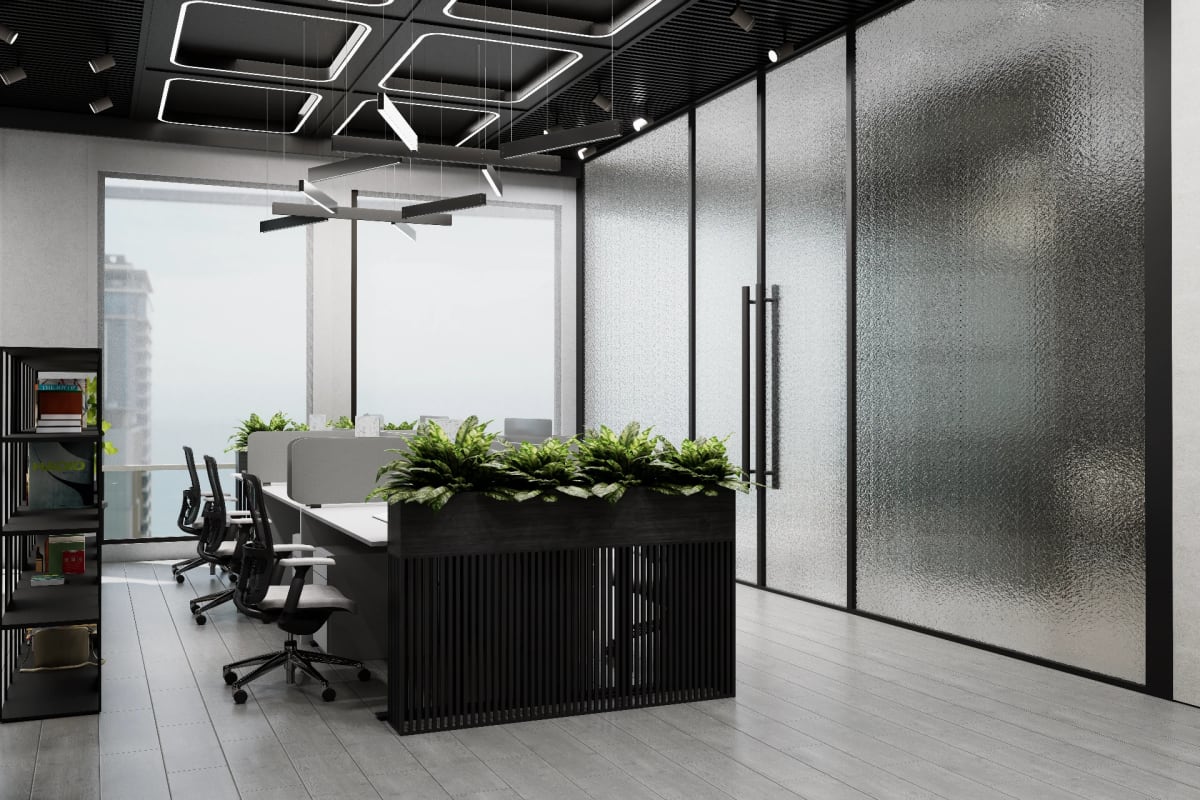
Designing high-performing workplaces in the UAE requires more than visual appeal—it demands a deep understanding of how people move within a space. Office circulation planning Dubai has become a core component of modern workplace design, particularly as companies adapt to hybrid models and evolving operational needs.
In Dubai and Abu Dhabi, where commercial spaces must balance efficiency with experience, movement planning plays a direct role in productivity, collaboration, and long-term usability.
What Is Office Circulation Planning?
Office circulation refers to how employees and visitors navigate through a workspace. It includes movement between desks, meeting rooms, shared areas, and key functional zones.
A well-planned layout ensures that movement is:
- Logical
- Efficient
- Disruption-free
- Aligned with business workflows
As part of broader office space planning Dubai, circulation design ensures that every square meter serves a purpose while supporting seamless navigation.
Why Circulation Planning Matters in 2026 Workspaces ?
Workplace expectations in the UAE have shifted significantly. Businesses are prioritizing flexibility, employee wellbeing, and operational efficiency.
This is where a defined workplace movement strategy UAE becomes essential.
Key Benefits:
- Reduced time lost in unnecessary movement
- Improved collaboration between teams
- Enhanced employee comfort and satisfaction
- Better use of available space
Circulation planning is no longer a secondary design layer—it directly influences how effectively a workplace functions.
Core Principles of Workspace Flow Design
Applying strong workspace flow design principles ensures that office layouts are both functional and adaptable.
1. Zoning for Functionality
Workspaces should be divided into clear zones based on usage:
- Quiet work areas
- Collaborative zones
- Meeting rooms
- Social spaces
For example, when applying workspace zoning strategies for modern offices, designers can group related functions together to minimize unnecessary movement.
2. Hierarchy of Movement Paths
Define clear movement structures:
- Primary pathways for high traffic
- Secondary pathways for localized access
This hierarchy is essential for effective commercial office layout optimization, ensuring that busy areas remain accessible without congestion.
3. Minimize Disruptions
High-traffic pathways should not intersect with:
- Focus zones
- Executive offices
- Private meeting rooms
This improves overall employee movement efficiency office design while maintaining productivity levels.
4. Visual Wayfinding
Employees should instinctively understand how to move through the space. This can be achieved through:
- Lighting design
- Flooring patterns
- Strategic furniture placement
These elements subtly guide movement without the need for excessive signage.
Step-by-Step Approach to Office Circulation Planning
Step 1: Analyze Workplace Behavior
Start by studying how people interact with the space:
- Movement frequency
- Departmental interactions
- Peak usage times
This insight supports more accurate commercial office layout optimization decisions.
Step 2: Identify Key Destinations
High-traffic areas such as meeting rooms, breakout zones, and entrances should be easily accessible.
Incorporating insights from flexible office design trends in Dubai can help position these areas to support both collaboration and adaptability.
Step 3: Map Movement Flow
Create a circulation diagram that highlights:
- Entry and exit points
- Main movement routes
- Potential bottlenecks
This helps identify inefficiencies before implementation.
Step 4: Optimize the Layout
Based on flow analysis:
- Adjust department placement
- Reconfigure desk layouts
- Improve pathway widths
These refinements are essential for achieving efficient movement across the workspace.
Step 5: Design for Flexibility
Modern offices must adapt quickly. Integrating ideas from hybrid workplace design strategies UAE allows businesses to accommodate changing team sizes and work styles without disrupting circulation.
Best Practices for Dubai Workspaces
Align with Business Culture
Different industries in the UAE require different spatial approaches. For example:
- Corporate offices may prioritize privacy
- Creative spaces may encourage open movement
Balance Density and Comfort
Avoid overcrowding pathways while maximizing usable space. This balance is key to maintaining both efficiency and comfort.
Integrate Smart Technology
Advanced workplaces are using:
- Sensors to track movement
- Data analytics to refine layouts
These tools help continuously improve circulation performance.
Plan for Client Experience
In Dubai, many offices are client-facing. Movement planning should ensure:
- Easy navigation from reception
- Clear access to meeting areas
- Minimal disruption to internal workflows
Common Challenges and Solutions
Overcrowded Pathways
Challenge: Congestion during peak hours
Solution: Redefine primary routes and redistribute traffic flow
Inefficient Layouts
Challenge: Wasted or underutilized space
Solution: Apply structured commercial office layout optimization strategies
Workflow Disruptions
Challenge: Movement interfering with focused work
Solution: Separate high-traffic zones from quiet areas
Lack of Adaptability
Challenge: Office layout becomes outdated quickly
Solution: Use modular and flexible design systems
Integrating Circulation into Fit-Out Projects
Effective circulation planning should begin at the earliest design stage. When integrated into commercial interior fit-out solutions, movement strategy becomes part of the overall spatial concept rather than an afterthought.
Similarly, working with experts in design & build services for commercial spaces ensures that circulation, layout, and infrastructure are aligned from the start, resulting in a cohesive and efficient workplace.
FAQ: Office Circulation Planning in Dubai
1. What is office circulation planning?
It is the strategic design of movement paths within a workspace to improve efficiency, accessibility, and user experience.
2. Why is circulation important in office design?
It directly impacts productivity, collaboration, and how effectively space is used.
3. How does circulation affect employee experience?
Clear and efficient movement reduces frustration and improves overall workplace satisfaction.
4. What are common mistakes in circulation planning?
Poor zoning, narrow pathways, and lack of flow hierarchy are among the most common issues.
5. Can circulation planning support hybrid work models?
Yes, it helps accommodate flexible layouts and changing occupancy patterns.
6. When should circulation planning be considered?
At the very beginning of the design process to ensure optimal results.
Strong office circulation planning Dubai is essential for creating workplaces that function efficiently and adapt to future needs. By applying structured workspace flow design principles and aligning with a clear workplace movement strategy UAE, businesses can significantly enhance operational performance and employee experience.