
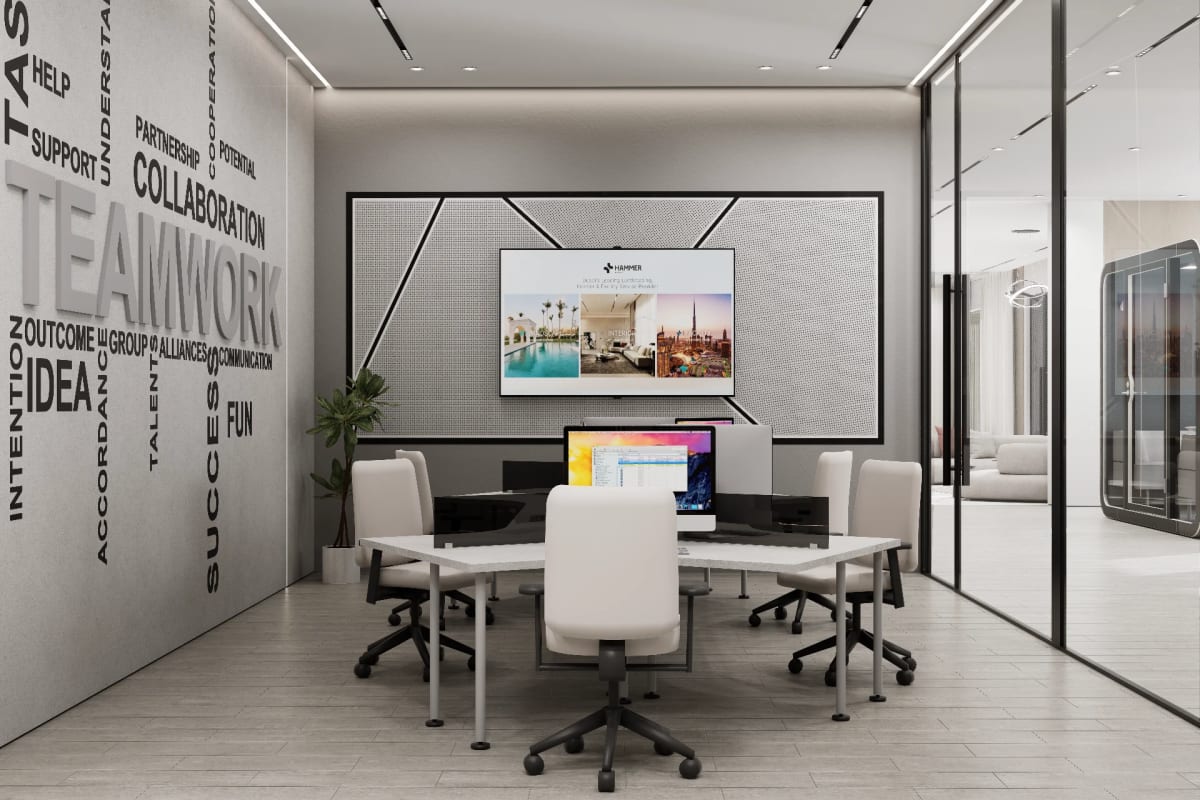
Modern workplaces in the UAE are evolving beyond traditional desk layouts. Businesses are increasingly prioritizing environments that encourage creativity, communication, and employee wellbeing. As hybrid work models continue to influence office planning, bold breakout office design Dubai strategies are becoming essential in creating agile and people-focused workplaces.
Breakout and collaboration areas are no longer optional features in corporate interiors. In Dubai’s competitive business landscape, these flexible spaces support teamwork, informal meetings, brainstorming, and employee interaction while improving the overall workplace experience. From startups to multinational headquarters, companies are rethinking how office environments can foster innovation and productivity.
For businesses exploring modern office fit-out solutions or commercial workspace planning strategies, integrating breakout zones effectively can significantly improve how teams interact and operate.
Why Breakout Spaces Matter in Modern UAE Offices
Traditional office layouts often separate employees into rigid workstations and meeting rooms. However, today’s organizations require more adaptable environments that support spontaneous communication and flexible work styles.
Well-designed informal collaboration spaces UAE businesses use today can help:
- Encourage team interaction
- Reduce workplace stress
- Improve employee engagement
- Support hybrid and agile working
- Increase creative problem-solving
- Enhance office aesthetics and culture
In Dubai and Abu Dhabi, where many businesses operate in fast-paced sectors such as technology, finance, real estate, and consulting, collaborative environments have become a major component of workplace design strategies.
Understanding Breakout Areas in Workplace Design
Breakout spaces are informal areas designed for casual meetings, focused discussions, short work sessions, or employee relaxation. Unlike formal boardrooms, these spaces promote open communication in a more comfortable setting.
Common types of breakout areas include:
Lounge-Style Collaboration Zones
Soft seating, coffee tables, acoustic panels, and relaxed layouts create comfortable spaces for discussions and informal meetings.
Café-Inspired Work Areas
Many UAE offices now integrate hospitality-inspired environments that blend café aesthetics with functional workspaces.
Quiet Focus Pods
Small enclosed spaces designed for concentrated work or private conversations without booking a meeting room.
Flexible Multi-Use Zones
Adaptable spaces that can support workshops, presentations, brainstorming sessions, or social interactions.
Businesses considering collaborative workplace interior design should evaluate how different breakout environments support both company culture and operational requirements.
Key Principles of Effective Breakout Office Design
Successful modern office breakout areas Dubai companies implement are carefully planned to balance functionality, aesthetics, and employee comfort.
Prioritize Accessibility
Breakout zones should be positioned naturally within circulation paths rather than hidden in isolated corners. Easy access encourages spontaneous use throughout the day.
Balance Open and Private Spaces
Open collaboration areas are valuable, but excessive openness can create distractions. A balanced office design includes:
- Open social zones
- Semi-private meeting corners
- Acoustic booths
- Quiet retreat areas
This layered approach supports different work styles and personality types.
Integrate Acoustic Solutions
Noise management is one of the biggest challenges in collaborative environments. Acoustic wall panels, ceiling baffles, rugs, and sound-absorbing furniture help maintain comfort and productivity.
In busy UAE corporate offices, acoustic planning is especially important due to high occupancy densities and open-plan layouts.
Use Flexible Furniture
Adaptability is central to modern workplace design. Modular seating, movable partitions, and reconfigurable tables allow businesses to adjust spaces as teams and operational needs evolve.
Companies exploring flexible office layout Dubai strategies often prioritize furniture systems that can support multiple functions within a single area.
Designing Collaboration Areas for UAE Workplace Culture
Office environments in Dubai and Abu Dhabi often accommodate multicultural teams, international clients, and varying working styles. Breakout areas should reflect this diversity while supporting professionalism.
Create Hospitality-Inspired Experiences
Luxury hospitality strongly influences UAE commercial interiors. Comfortable seating, premium finishes, greenery, and ambient lighting can make collaboration areas feel welcoming without losing corporate sophistication.
Consider Privacy Expectations
In many professional environments, employees value spaces that allow focused conversations without constant visibility or interruptions.
Including enclosed collaboration pods or semi-private seating areas can improve usability across different teams and departments.
Support Hybrid Work Models
As hybrid working continues across the UAE, breakout spaces are increasingly functioning as collaboration hubs rather than purely social areas.
Technology integration is now essential, including:
- Wireless presentation systems
- Integrated charging stations
- Video conferencing support
- Smart booking systems
- Adaptable digital displays
Businesses researching hybrid office workplace solutions should ensure collaboration zones are digitally connected and future-ready.
The Role of Biophilic Design in Collaboration Spaces
Natural design elements are becoming increasingly important in UAE office interiors. Biophilic principles help create healthier, more engaging work environments.
In breakout areas, this may include:
- Indoor planting
- Natural wood textures
- Daylight optimization
- Water-inspired materials
- Organic forms and layouts
These features can reduce workplace stress while improving creativity and employee wellbeing.
For companies interested in workplace wellbeing design concepts, biophilic integration offers both functional and visual benefits.
Common Challenges in Breakout Space Planning
While breakout areas offer substantial benefits, poor planning can reduce their effectiveness.
Overdesign Without Functionality
Some offices prioritize aesthetics over usability, resulting in visually appealing spaces that employees rarely use.
Professional workplace planning ensures every collaboration zone serves a clear operational purpose.
Lack of Space Zoning
Without proper zoning, breakout areas can disrupt focused work areas. Strategic placement and acoustic separation help maintain workplace balance.
Insufficient Technology Integration
Modern collaboration requires seamless digital support. Inadequate power access or poor connectivity can limit productivity and user adoption.
Ignoring Employee Behavior
Different organizations use spaces differently. Successful employee collaboration zones UAE workplaces depend on understanding how teams naturally interact and work.
Conducting workplace analysis before design implementation helps create environments tailored to actual user behavior.
Best Practices for Breakout and Informal Collaboration Design
Businesses planning workplace upgrades can follow several best practices to improve outcomes.
Align Design With Company Culture
A creative agency may require energetic social hubs, while legal or financial firms may prefer quieter and more refined collaboration spaces.
Use Layered Lighting
Combining ambient, task, and decorative lighting improves comfort and usability throughout the day.
Incorporate Branding Subtly
Graphics, materials, and color palettes can reinforce brand identity without overwhelming the environment.
Design for Long-Term Flexibility
Future-proofing is critical in rapidly evolving business environments. Flexible layouts allow organizations to adapt without major renovations.
Organizations evaluating office fit-out planning services should prioritize scalable workplace strategies that support future growth.
The Future of Collaborative Office Design in Dubai
Workplace design trends in 2026 continue moving toward human-centric environments that prioritize flexibility, wellbeing, and meaningful interaction.
Emerging trends include:
- AI-enabled smart workplace systems
- Multi-functional collaboration hubs
- Wellness-integrated office planning
- Sustainable material selection
- Hospitality-driven workplace aesthetics
- Experience-focused employee environments
As competition for talent increases across the UAE, workplace experience is becoming a major differentiator for employers.
Companies investing in thoughtful breakout design are not only improving operational efficiency but also strengthening employee satisfaction and workplace culture.
For businesses exploring commercial interior fit-out services or modern workplace transformation strategies, collaborative office planning is now a key component of long-term success.
FAQ: Breakout and Informal Collaboration Areas
What is a breakout area in an office?
A breakout area is an informal workspace designed for collaboration, casual meetings, relaxation, or flexible working outside traditional desks and meeting rooms.
Why are breakout spaces important in modern offices?
They encourage communication, teamwork, creativity, and employee wellbeing while supporting more agile work styles.
How do breakout areas support hybrid work?
They provide flexible environments for team interaction, brainstorming, and digital collaboration when employees work both remotely and in-office.
What furniture works best for collaboration zones?
Modular seating, movable tables, acoustic pods, and adaptable furniture systems are commonly used in modern collaborative workplaces.
How can businesses reduce noise in open collaboration spaces?
Acoustic panels, rugs, soft furnishings, partitions, and strategic zoning help minimize noise disruption.
Are breakout spaces suitable for all industries?
Yes. However, the design approach should align with each organization’s operational needs, company culture, and employee work patterns.