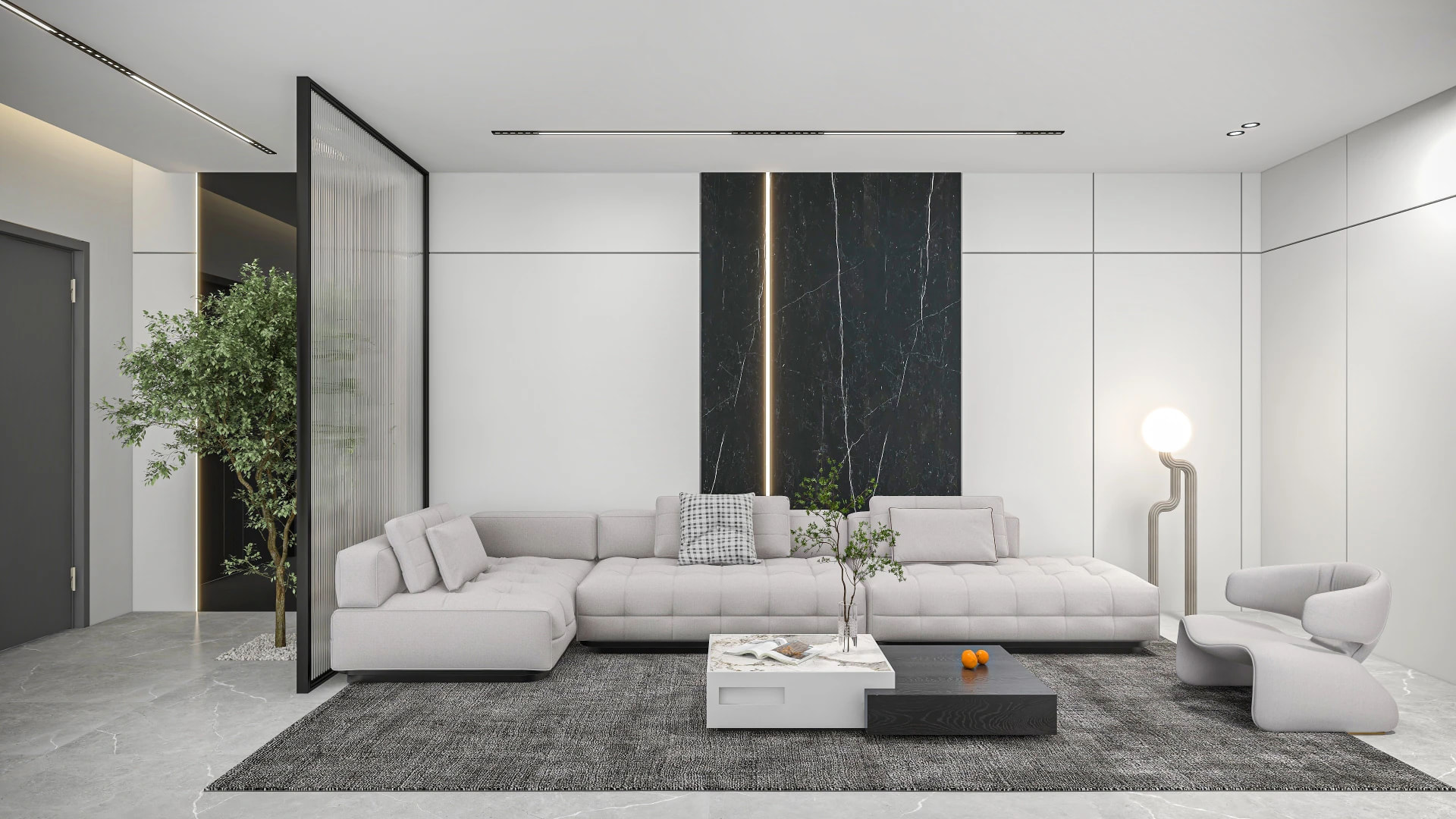
In Dubai’s luxury residential market, interior design is defined not only by spatial planning and furniture selection but by the depth and richness of materials. The strategic use of finishes, surfaces, and tactile elements plays a central role in shaping sophisticated environments. Material layering interior design Dubai has emerged as a key approach in delivering visually compelling, multi-dimensional interiors that reflect both modern aesthetics and regional expectations of luxury.
This guide explores how material layering and texture can be effectively applied in high-end homes, offering practical frameworks and professional insights for developers, homeowners, and decision-makers.
Understanding Material Layering in Interior Design
Material layering refers to the thoughtful combination of different finishes, textures, and materials within a space to create contrast, depth, and harmony.
Why It Matters in High-End Interiors
In high-end residential interior materials UAE, layering is essential because:
- It adds visual complexity without overcrowding the space
- It enhances the sensory experience through texture
- It defines zones within open-plan layouts
- It elevates perceived quality and craftsmanship
In Dubai villas and luxury apartments, where large spaces are common, layering prevents interiors from feeling flat or monotonous.
Core Principles of Texture Use in Luxury Interiors
Successful texture use in luxury interiors Dubai is guided by a balance between contrast and cohesion.
1. Contrast Without Conflict
Combining opposing textures—such as smooth marble with rough stone—creates visual interest. However, materials must still complement each other in tone and scale.
2. Consistency in Color Palette
Even when using multiple materials, maintaining a consistent color palette ensures the space feels unified rather than fragmented.
3. Layering Across Vertical and Horizontal Surfaces
Texture should not be limited to floors or walls. High-end interiors integrate materials across:
- Walls (paneling, cladding, finishes)
- Floors (stone, wood, tiles)
- Ceilings (coffers, textures, lighting integration)
- Furniture and soft furnishings
Step-by-Step Framework for Material Layering
Applying layered materials interior design villas requires a structured approach.
Step 1: Establish a Base Material Palette
Start with 2–3 dominant materials that define the overall aesthetic.
Examples:
- Natural stone + wood veneer
- Marble + metal accents
- Neutral plaster + glass
Step 2: Introduce Secondary Textures
Add complementary materials to create depth.
- Textured fabrics (linen, boucle, velvet)
- Brushed or matte metals
- Decorative panels or wall treatments
Step 3: Integrate Accent Materials
Accent elements provide contrast and highlight focal points.
- Statement stone walls
- Metallic trims or inlays
- Feature lighting fixtures
For more insights, consider linking to material selection strategies for luxury interiors.
Step 4: Balance and Refine
Review the overall composition to ensure:
- No single material dominates excessively
- Transitions between materials are seamless
- Visual weight is evenly distributed
Popular Material Combinations in Dubai Homes
Dubai’s luxury interiors often reflect global design influences combined with regional preferences.
Natural Stone and Wood
A timeless combination in luxury interior finishes Dubai homes, offering:
- Warmth from wood
- Elegance from marble or stone
Glass and Metal Accents
Used to create a sleek, contemporary feel:
- Brushed brass or black steel
- Glass partitions or decorative panels
Soft Textiles with Hard Surfaces
Balancing hard finishes with soft materials enhances comfort:
- Upholstered headboards
- Layered rugs
- Curtains and drapery
For broader inspiration, explore contemporary interior design trends in Dubai.
Room-by-Room Application of Material Layering
Living Areas
Living rooms are ideal for showcasing multiple materials.
Best practices:
- Combine flooring materials with rugs
- Use feature walls with textured finishes
- Integrate layered lighting with different materials
Bedrooms
Bedrooms benefit from softer, more tactile materials.
- Fabric wall panels
- Wood finishes for warmth
- Layered bedding textures
Bathrooms
Luxury bathrooms emphasize contrast and refinement.
- Marble surfaces with matte fixtures
- Glass enclosures
- Stone feature walls
Kitchens
Modern kitchens in Dubai often use:
- High-gloss cabinets with stone countertops
- Metal accents for detailing
- Textured backsplashes
Common Challenges and Professional Solutions
1. Over-Layering
Challenge: Too many materials create visual clutter. Solution: Limit the palette to 4–5 key materials and repeat them consistently.
2. Lack of Cohesion
Challenge: Materials feel disconnected. Solution: Maintain a unified color scheme and consistent finishes.
3. Ignoring Scale and Proportion
Challenge: Large textures overwhelm smaller spaces. Solution: Match material scale to room size and function.
4. Poor Transitions Between Materials
Challenge: Abrupt changes reduce design quality. Solution: Use trims, reveals, or subtle gradients to smooth transitions.
For execution guidance, consider interior fit-out solutions for high-end residential projects.
Best Practices for High-End Interior Material Design
To achieve refined results in tactile interior design concepts UAE, follow these guidelines:
- Prioritize quality over quantity in material selection
- Use natural materials where possible for authenticity
- Incorporate custom detailing for uniqueness
- Consider lighting interaction with textures
- Ensure materials are suitable for local climate conditions
Additionally, reviewing villa interior design planning strategies UAE can help align materials with overall spatial design.
Integrating Material Layering with Architectural Design
Material choices should complement the architectural framework of the property.
Key Considerations
- Align materials with structural elements (columns, walls, ceilings)
- Reinforce architectural features through texture
- Maintain continuity between interior and exterior finishes
This integration is essential in delivering cohesive, high-end environments.
Frequently Asked Questions (FAQ)
1. What is material layering in interior design?
It is the process of combining different materials and textures to create depth, contrast, and visual interest within a space.
2. How many materials should be used in a single room?
Typically, 3–5 core materials are sufficient to achieve balance without overcrowding.
3. What materials work best for luxury interiors in Dubai?
Natural stone, wood veneers, metals, and high-quality fabrics are widely used due to their durability and aesthetic appeal.
4. How does texture impact interior design?
Texture influences how a space looks and feels, adding dimension and enhancing user experience.
5. Can material layering work in minimalist interiors?
Yes—minimalist spaces benefit from subtle texture variations to avoid a flat appearance.
6. Why is professional planning important?
Material layering requires expertise to ensure cohesion, proper installation, and long-term performance.